
Segredo e descoberta na Idade Média
Secrets and Discovery in the Middle Ages
5º Congresso Europeu de Estudos Medievais
da Fédération Internationale des Instituts d’Études Médiévales
Porto, 25 a 29 de junho de 2013
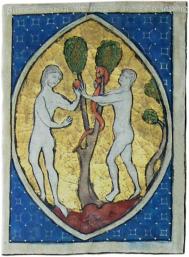
Fascination with secrets traverses the Middle Ages. A secret is shared by few and coveted by many, requiring a lot of those who have to keep it, or those who want to disclose it. A secret is power, hence the eagerness to discover it. But as curiosity can lead to the abyss and punishment, discovering secrets also requires prudence and caution.
The relationship between secret and discovery expresses itself in the Middle Ages, as in all times, through many other dynamic dualities: mystery and revelation, arcane and evidence, unknown and sought, ignorance and knowledge, esoteric and exoteric, private message and edict, hidden and manifest, conspiracy and complaint. The secret is in the nature, which does everything to hide itself, while he reveals itself in many ways, but only to those who know how to interpret it. So in the Middle Ages there are sciences for all secrets: of God, of elements and things, of the stars, of physiognomy, of women, of happiness, of the delights of paradise, of relics, of holiness, of the inner life, of sin, of power, of distant peoples and lost places, and of countless other things. The secret is itself a big secret. The secret is everywhere, in the narratives of search and discovery, in public or private action, in sciences, in books or encyclopedias. One of the most popular medieval texts, theSecretum secretorum, which collects the secrets of health, politics, nature, astrology, magic, alchemy, becomes a model for the many of the literary works composed to uncover secrets, that thus, paradoxically, cease to be. The secret holds dangerous and valuable knowledge ranging from counterfeiting, to the illusions of the imagination, or the triumph of reason and wisdom.
The secret and its avatars were a silent yet strong driving force in almost all aspects of the Middle Ages. The “Secrets and Discovery” Congress proposes to discuss their presence and importance in the imagination, culture, thinking, sciences, politics, religion, and life during the Middle Ages (from the beginning of the 6th to the end of the 15th century).
Congress Sessions are designed to promote discussion on secrets and discovery from all Medieval Studies domains, in every medieval language, and in different subjects:
- Confession and Intimacy
- Conspiracy and Betrayal
- Government and Diplomacy
- Health and Life
- Hermeticism and Transmutation
- Holiness and Relics
- Knowledge and Scepticism
- Mysticisms and Kabbalah
- Nature and Supernatural
- Past and Future
- Planets and Harmony
- Prophecy and Divination
- Sermons and Preaching
- Symbols and Dreams
- Truth and Fake
- Unknown Worlds and Lost Places
- Warfare and Strategy
Programme : ici
Source de l’information : FIDEM






 L'Agenda des Médiévistes