
The Difficulty of that language is not to bee conceived, and the reasons thereof are especially two:
First, because it hath no affinitie with any other that ever I heard.
Secondly, because it consisteth not so much of words and Letters, as of tunes and uncouth sounds, that no letters can expresse.
For you have few words, but they signifie divers and severall things, and they are distinguished onely by their tunes that are as it were sung in the utterance of them, yet many words there are consisteth of tunes onely, so as if they like they will utter their mindes by tunes without wordes
Francis Godwin, The Man in the Moone (1638)
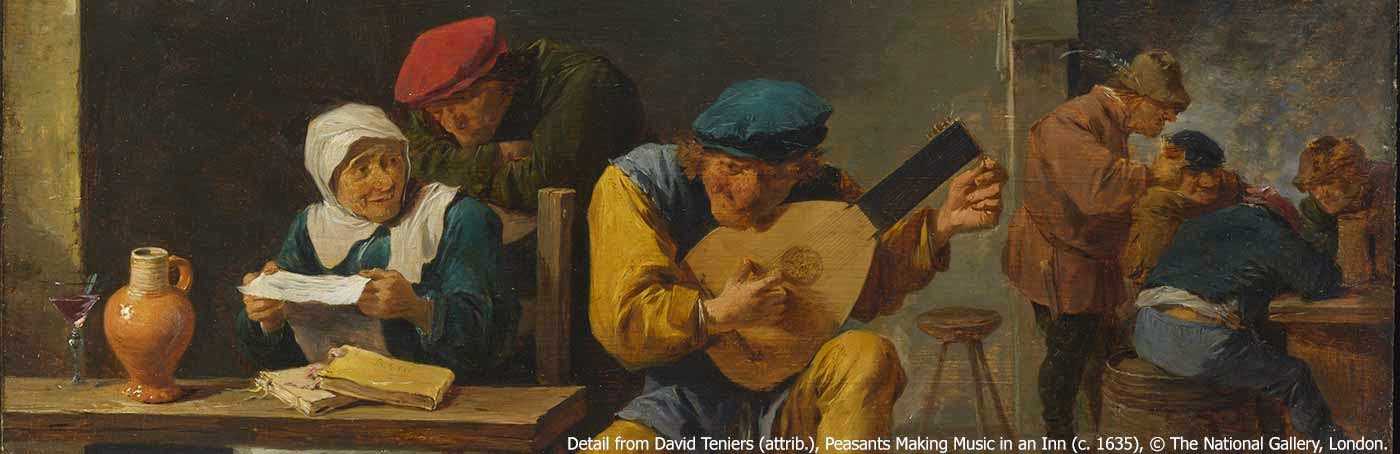
Early modern culture was awash with sounds. From psalm singing to tavern songs to the reading of the riot act or town criers announcing noteworthy news, we are presented with an image of oral culture forming the basis of perpetual interaction between individuals and their communities.
Music, in particular, forms a backdrop to the soundscape, negotiating abstract sounds and speech. This two-day symposium will interrogate ways of conceiving the early modern soundscape.
Programme : here
Informations pratiques :
Bangor University
24th-25th April 2014
The organisers are Dr Rachel Willie (r.willie@bangor.ac.uk) and Marta Napodano (elued0@bangor.ac.uk)
School of English
Bangor University, Bangor, LL57 2DG, UK
Phone: +44 (0)1248 351151
Email: artshumvisits@bangor.ac.uk
Registered Charity: No. 1141565
Copyright © 2001–2014
Source de l’information : Bangor University






 L'Agenda des Médiévistes