Publication – Alexandra Baneu, « The Art of Taking Notes at the University. Étienne Gaudet (Paris, ca. 1320–1392) »

The library of Étienne Gaudet has preoccupied scholars in the field of medieval history and philosophy. It arose the interest of Palémon Glorieux, who misattributed some of the manuscripts from this library to Jean de Falisca. The error was later corrected by Zénon Kaluza in his seminal work dedicated to Thomas of Cracow.

What the present volume brings on top of the research already dedicated to the subject comes from the fact that our methodology if heavily influenced by the insight that most of what this library transmits consists of notes. Keeping that in mind, we have been able to discover fragments of texts that had been considered lost, correctly identify lesser-known figures mentioned in these manuscripts (or at least challenge old identifications) and understand some doctrinal aspects from a different perspective. Another important issue that comes to light in the present volume is the way Étienne Gaudet used and reused his notes, wrote tables to retrieve them, abbreviated texts from other authors and drafted his own works.

This volume will be relevant to the scholar studying medieval academic practices of the late fourteenth century, since it introduces them to new and exciting materials that are a direct testimony of what happened in the proverbial classroom. It will also be of extreme interest to scholars who study the practice of note-taking and for whom the Middle Ages have not yet been very generous.

Alexandra Baneu, Babeș-Bolyai University, Cluj-Napoca, Romania.

Table des matières :

Informations pratiques :

Alexandra Baneu, The Art of Taking Notes at the University. Étienne Gaudet (Paris, ca. 1320–1392), Berlin–Boston, De Gruyter, 2025 ; 1 vol., X–378 p. ISBN : 9783110762822. Prix : € 109,95.

Source : De Gruyter

Publié dans Publications | Commentaires fermés sur Publication – Alexandra Baneu, « The Art of Taking Notes at the University. Étienne Gaudet (Paris, ca. 1320–1392) »

Publication – « Filosofia e medicina in Italia fra medioevo e prima età moderna », éd. Luca Bianchi, Luigi Campi

Il volume raccoglie alcune delle relazioni presentate durante il 4° Colloquio Internazionale della Societas Artistarum. Svoltosi presso l’Università degli studi di Milano il 7-9 novembre 2019, esso si proponeva di approfondire da prospettive diverse come si sia configurato nell’Italia medievale e rinascimentale il rapporto fra medicina e filosofia. Alcuni contributi si soffermano sul contesto storico-istituzionale dell’insegnamento e della pratica della medicina, sull’uso di dottrine etiche e di strumenti logici e retorici da parte dei medici. Altri contributi, avvalendosi anche di documenti e testi inediti, analizzano invece temi interdisciplinari come le teorie della generazione e la natura delle acque fluviali oppure mettono a fuoco il pensiero e l’opera di medici-filosofi come Bartolomeo da Salerno, Taddeo Alderotti, Antonio da Parma, e Ludovico Boccadiferro.

Luca Bianchi insegna Storia della Filosofia Medievale all’Università degli studi di Milano. Si occupa in particolare di storia della tradizione aristotelica e averroista dal XIII al XVI secolo.

Luigi Campi insegna Storia della Filosofia Medievale all’Università degli studi di Milano. Si interessa principalmente di temi di metafisica realista, teologia razionale e soteriologia nel basso Medioevo, con particolare attenzione al pensiero di John Wyclif e alla sua fortuna in Inghilterra e Boemia.

Luca Bianchi e Luigi Campi, Prefazione

Danielle Jacquart, Médecine et philosophie dans le commentaire à l’Ars medica de Barthélemy(XIIe siècle)

Jacques Verger, Arts et médecine dans les universités italiennes au Moyen Âge : un lien nécessaire ?

Chiara Crisciani, Silenzio, parole e discorsi del medico: tra scienza ed etica, tra filosofia e retorica

Joël Chandelier, Les médecins et la philosophie morale en Italie au XIVe siècle

Gabriella Zuccolin, In un concepto varïati effetti: twins between medicine and philosophy in Dante and Cecco d’Ascoli

Aurélien Robert, Filosofia e medicina in Taddeo Alderotti: i rapporti tra l’anima e il corpo

Gianfranco Fioravanti, Antonio da Parma tra filosofia e medicina. Il commento al Canon di Avicenna, le Questiones super De generatione e Super libros Metheorologicorum

Dragos Calma, L’homme sans pensée: l’averroïsme d’Antoine de Parme et la Questio de Budapest

David A. Lines, Philosophy Teaching and Filiations of Learning in Sixteenth-Century Bologna: Ludovico Boccadiferro’s early De Anima lectures

Elisa Andretta, Della natura delle acque: filosofia e medicina nel trattato Del Tevere di Andrea Bacci (1576)

Indice dei manoscritti

Indice dei nomi

Filosofia e medicina in Italia fra medioevo e prima età moderna, éd. Luca Bianchi, Luigi Campi, Turnhout, Brepols, 2025 ; 1 vol., 272 p. (Studia Artistarum, 54). ISBN : 978-2-503-61316-1. Prix : € 90,00.

Source : Brepols

Publié dans Publications | Commentaires fermés sur Publication – « Filosofia e medicina in Italia fra medioevo e prima età moderna », éd. Luca Bianchi, Luigi Campi

Web – InfoDiplo n° 5 (janvier 2026)

Accès : ici

InfoDiplo, la newsletter bimestrielle de Diplo 21, rassemble les informations relatives aux publications et rencontres scientifiques intéressant les champs disciplinaires de la diplomatique et des pratiques de l’écrit du Moyen Âge. Retrouvez-la sur notre blog : https://diplo21.hypotheses.org/1742

N’hésitez pas à nous signaler des annonces de publication et de rencontres scientifiques ainsi que des appels à communications relatifs à la diplomatique et aux pratiques de l’écrit, en nous écrivant un mail à contact.diplo21@gmail.com ; elles seront relayées dans la prochaine newsletter. 

Publications/Publikationen

Éditions et regestes / Editionen und Regesten / Editions and Regesta

Ouvrages/Monographien/Books

Revues/Zeitschriften/Journals

Archiv für Diplomatik, Schriftgeschichte, Siegel- und Wappenkunde, t. 71, 2025. Table des matières :

2025/1

  • Ulf FLOSSDORF, « Zu unschön, um wahr zu sein! Die Urkunde Adelheids II. von Quedlinburg über die Schutzherrschaft von Soltau von angeblich 1069 (mit Edition) »
  • Jakob MANDEL, « Urkunden Papst Alexanders III. über spanische Kirchenzehnte. Zur Organisation kirchlicher Autorität an der frontera »
  • Benedict WIEDEMANN, « Time Runneth not against the Proctor. Initiating a Case at the Curia and the ‘protest at the door of the pope’, 1280–1350 »
  • Stefan PETERSEN, « Hans Wibel (1872–1922). Ein Leben für die Diplomata »
  • Volker RÖDEL, « Wappen Karls des Großen und anderer „Helden“»
  • Johannes KISTENICH-ZERFASS, « Die Anfänge des Papiergebrauchs als Beschreibstoff im Spiegel der Überlieferung des Staatsarchivs Marburg (um 1330–1400) »
  • Thomas WOZNIAK, « Stand und Perspektiven der Erforschung ausgewählter Schriftträger: Glasgefäße »

2025/2 – Symposium „Privaturkunden und Dokumentationspraxis im langen 10. Jahrhundert“ (Rom, 18.–20. April 2018) »

  • Peter ERHART, Karl HEIDECKER, Bernhard ZELLER, « Vorbemerkungen »
  • Sébastien BARRET, Nicolas PERREAUX, « Le corpus des actes dits « privés » en Bourgogne (880–1030). Structure, caractères et sens d’une régionalisation inégale »
  • Bernhard ZELLER, « Die Privaturkunden Alemanniens im langen 10. Jahrhundert, I. Die Urkunden der St. Galler Schreibstube (ca. 870–980) »
  • Karl HEDECKER, « Die Privaturkunden Alemanniens im langen 10. Jahrhundert, II. Die Privaturkunden im alemannischen Raum außerhalb des Klosters St. Gallen (ca. 870–980) »
  • Philippe DEPREUX, « Musterurkunden sammeln und zusammenstellen in der späten Karolingerzeit. Überlegungen zum Wesen einiger Formelsammlungen »
  • Peter ERHART, « Et hoc scit omnis populus de Curuvuala. Die rätische Privaturkunde und ihr Nachleben »
  • Karl HEIDECKER, « Private Charters in the Diocese of Utrecht in the Long Tenth Century. Disruptions of Continuities? »

Studi di storia medioevale e di diplomatica, Nuova Serie, t. 9, 2025. Table des matières :

  • Elisa OCCHIPINTI,  « In ricordo di Cosimo Damiano Fonseca »
  • Emanuele PIAZZA, « Lo spazio della paternità nei Carmina di Venanzio Fortunato »
  • Gianmarco DE ANGELIS, « »De lege sua subdiscendere ». Tradizione e usi di Liutprando 91 nelle carte del regnum Italia »
  • Bianca FADDA, « Da « indignus sacerdos » a « kancellarius curie Arborensis »: lo scrivano Pietro Pagano (1182-1195) »
  • Cristina CARBONETTI VENDITTELLI, « Frammenti recuperati di memoria scritta: le imbreviature di un notaio sutrino del XIII secolo »
  • Irina MATTIOLI, « Marescalchi, ippiatri, trattatisti. La veterinaria equina, tra formazione e trasmissione in Italia tra XIII e XIV secolo »
  • Jacopo PAGANELLI, « Il denaro delle visite pastorali. Considerazioni a partire da alcuni esempi di Firenze e Lucca tra Tre e Quattrocento »
  • Corinna DRAGO, « Documenti reimpiegati in Puglia: le custodie per sigilli dell’archivio di S. Nicola di Bari »
  • Javier E. JIMÉNEZ LÓPEZ DE EGUILETA, « El consistorio de la Iglesia de Cádiz (siglos XIV-XVI): provisores, notarios y praxis documental »
  • Antonio MURSIA, « Nuovi dati sulla formazione del patrimonio dei ‘venerabili monasteri di S. Maria di Licodia e di S. Nicolò l’Arena’ in Sicilia: tre privilegi inediti dei sovrani aragonesi (1336-1361) »
  • Francesco SENATORE, « La cancelleria del regno aragonese di Napoli attraverso i registri del grande sigillo di Antonello Petrucci »
  • Pietro D’ORLANDO, « Archivi di comunità e registri consiliari nella montagna lombarda alla fine del medioevo. Un censimento Andrea Barsacchi »
  • Ezio Claudio PIA, « »Una trattazione nuova e più ampia ». Axel Goria tra Corpus Astense e medievistica del Novecento »
  • Anna MÖSENEDER-FRAJRIA, « Il liber traditionum di Cozroh e la memoria dell’epoca agilolfingia: il caso delle traditiones n. 49 e 50 e i richiami all’agiografia e ai testi legislativi »
  • Rossella TALERICO, « I testamenti di Carlo, Mastino e Drusiana Visconti, eredi di Bernabò »
  • Federico LATTANZIO, « Il progetto « Il tempo dei cavalieri. Preminenze cavalleresche, società locali e poteri: nuove prospettive sulle campagne italiane (secoli XI-XIII) »»
  • Miguel CALLEJA PUERTA, Pilar OSTOS-SALCEDO, « El proyecto « Notariado y construcción social de la realidad, II: los registros notariales medievales » (NotFor II) »
  • Matteo FERRARI, « Progetto ARMARIUM. Studio delle coperte di registro stemmate dei comuni italiani: la Collezione Albertini di Fondazione Perugia »
  • Ludovica INVERNIZZI, « Learning by Re-searching. The experience of the INTRADAMS Summer School at the Crossroads of Skill Acquisition and Knowledge Production »

Source : https://riviste.unimi.it/index.php/SSMD/issue/view/2674

Articles/Beiträge/Articles

  • Thomas BRUNNER, « Forgerie ou “post-scellage” à la cathédrale de Strasbourg? À la recherche du plus ancien sceau d’Alsace (I) », SigiAl (4 août 2025), consulté le 18 octobre 2025 à l’adresse https://doi.org/10.58079/14h22 
  • Thomas BRUNNER, « Albert de Dabo-Moha a-t-il eu un sceau équestre? À la recherche du plus ancien sceau d’Alsace (II) », SigiAl (31 août 2025), consulté le 18 octobre 2025 à l’adresse https://doi.org/10.58079/14jx7 
  • Benoît-Michel TOCK, « Redécouverte de l’original de la charte d’Alvise, évêque d’Arras, pour l’abbaye de Saint-Denis (1147) », Bibliothèque de l’École des chartes, t. 177, fascicule 2, 2022 (2025)
  • Thomas BRUNNER,  Laurence BUCHHOLZER et Juliette DELOYE (dir.), « Fabrique des archives, fabrique des institutions (Moyen Âge-XIXe siècle) », Les dossiers du GRIHL, n° 16-1, 2025. [en ligne: https://journals.openedition.org/dossiersgrihl/10791]. Sommaire détaillé : 

¤ Thomas BRUNNER, Laurence BUCHHOLZER et Juliette DELOYE, « La fabrique des archives et des institutions (Moyen Âge-XIXe siècle) »                           

¤ Étienne MÉNAGER, « Destins de chartriers : la famille de Brosse au miroir de ses archives (XIIIe-XXIe siècles) »                               

¤ Yoann GUILLET, « Le collège d’Annecy au miroir de ses archives (XVIIe-XVIIIe siècles)»           

¤ Marie RIGAUDEAU, « Une fondation de « papier » : le processus d’institutionnalisation des Filles-Madame par les administrateurs de l’Hôtel-Dieu de Paris (XVIIe-XVIIIe siècles) »           

¤ Jérôme LOISEAU, « Les gens des trois États et leurs archives : réinvention et innovation institutionnelles enBourgogne, Bretagne et Languedoc (XVIIe-XVIIIe siècle) »        

¤ Isabelle COQUILLARD, « L’ »organe des sentiments de la Faculté ». Les Registres-Commentaires de la Faculté de médecine de Paris au XVIIIe siècle »          

¤ Juliette DELOYE, « Postface. Écrits, archives, institutions »

Rencontres scientifiques/Veranstaltungen/Conferences

Rencontres à venir/Kommende Veranstaltungen/Upcoming events

¤ 2 février – Pierre Chastang (USVQ-Paris-Saclay), « Les matériaux de l’écriture au Moyen Âge : enjeux interdisciplinaires ».

¤ 9 février – Isabelle Marchesin (Musée national de Port-Royal des Champs), « Le Beatus de Saint- Sever, une communauté au travail ».

¤ 16 février – Laurent Feller (Université Paris 1), « Entre raison pratique et calculs : écrire l’économie au Moyen Âge ».

¤ 23 février – Serena Galasso (Università di Padova), « Genre et scripturalité : autour de Le droit de compter : Les livres de gestion et de mémoires des femmes (Florence, XVe-XVIe siècles) (avec la participation de Justine Audebrand) ».

¤ 9 mars – Anne Rochebouet (UVSQ-Paris-Saclay)« Consulter un livre ou appréhender un texte ? Table, pratiques de lecture, et textualité médiévale ».

¤ 16 mars – Justine Audebrand (Institut historique allemand), « Les femmes et l’écrit : nouvelles perspectives de recherche (VIe-XIe siècle) ».

¤ 23 mars – Lucie Moruzzis (Archives nationales), « Conserver les écrits hier et aujourd’hui : paradigmes et pratiques ».

¤ 30 mars – Davide Gherdevich (UVSQ-Paris-Saclay), « Les rouleaux des morts au Moyen Âge : le projet interdisciplinaire Tituli ».

¤ 13 avril – Hugo Vidon (Université Paris 1), « Gouverner les eaux par le droit entre théorie et pratique ».

¤ 20 avril – Mahaut Cazals (ENS Paris), « Pistes pour une diplomatique analogique. L’écriture pragmatique par-delà nature et culture ».

¤ 22 avril – Louis Genton (Université Paris 1), « Des archives retrouvées. Deux enquêtes matérielles sur la documentation de l’abbaye de Saint-Germain-des-Prés à la fin du XIVe siècle ».

Appels à communication/Call for Papers

Colloque CID / DiDip conference 2026The Methodology of Diplomatics / La metodologia della diplomatica / La méthodologie de la diplomatique / Die Methodologie der Diplomatik / La metodología de la diplomática, 22-24 juillet 2026, Graz (Autriche), échéance 28 février 2026. Source : https://didip.hypotheses.org/conference-2026.

Jahrestagung des Netzwerks Historische Grundwissenschaften (NHG) / 11. Annual meeting of the Network for Auxiliary Sciences of History (NHG), 20–21 juillet 2026, Graz (Autriche). Source : https://didip.hypotheses.org/nhg-annual-meeting-2026.

Formations/Weiterbildungen/Trainings

Formations continues de l’Institut Arthur Piaget (2026). Programme détaillé: 

  • Le notariat médiéval, Lionel Dorthe (archiviste), 6 mars 2026, Archives de l’État de Fribourg.
  • Édition numérique XML/TEI, Adrien Wyssbrod (historien), 7 mai 2026, Archives de la Ville de Neuchâtel.
  • Deutsche Paläographie, Marc Smith (École nationale des chartes – PSL), 4 septembre 2026, Staatsarchiv Graubünden (Coire).

Source : https://rmblf.be/2025/12/22/formation-formations-continues-de-linstitut-arthur-piaget-2026/

Pour s’abonner ou se désabonner : contact.diplo21@gmail.com.

An- und Abmelden per Nachticht an: contact.diplo21@gmail.com.

To subscribe or unsubscribe, please contact: contact.diplo21@gmail.com.

Source : InfoDiplo

Publié dans Web | Commentaires fermés sur Web – InfoDiplo n° 5 (janvier 2026)

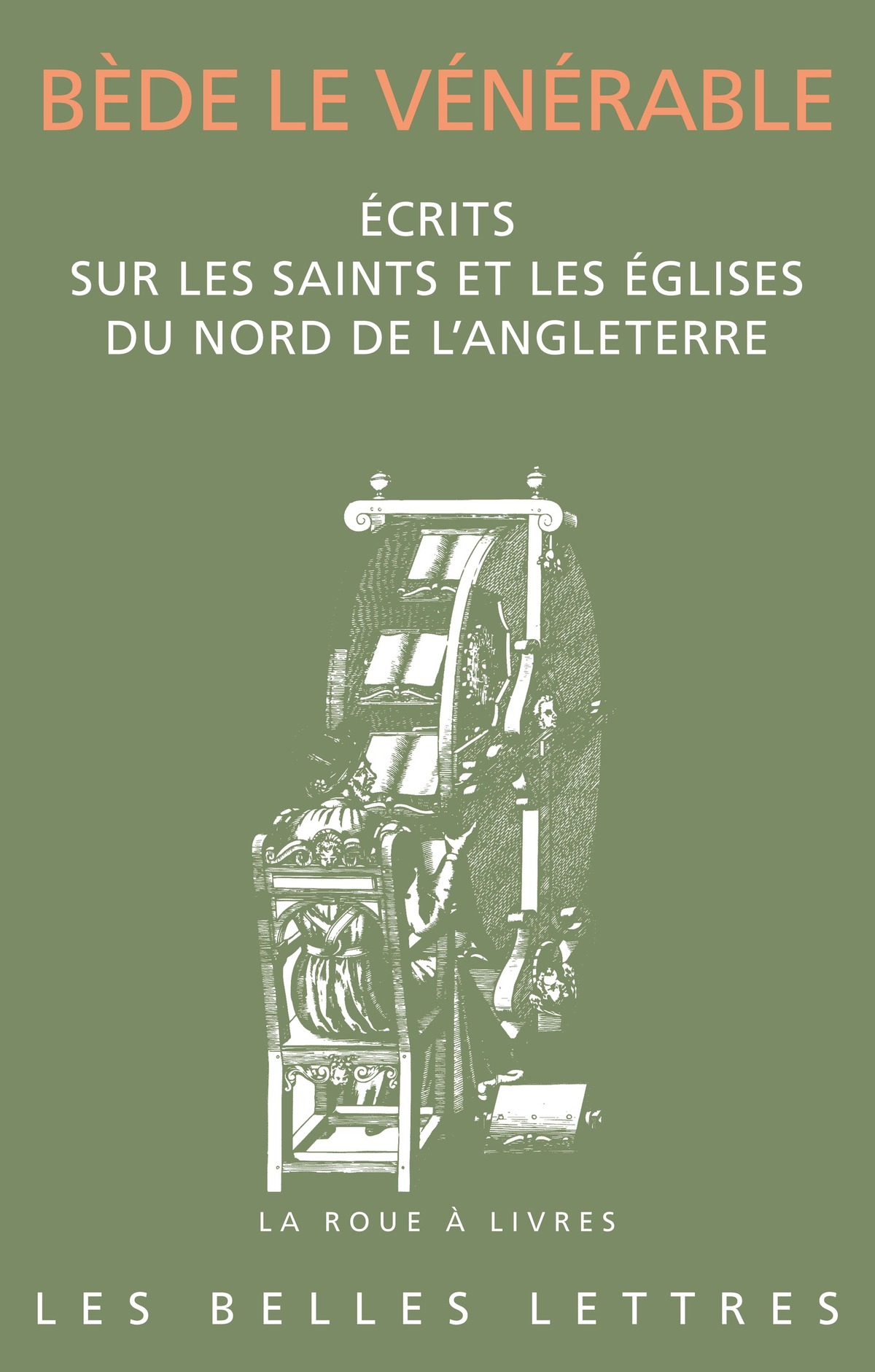
Publication – Lothaire de Segni, « Misère de la condition humaine », trad. Olivier Hanne

Le premier traité conservé de Lothaire de Segni, appelé à devenir le pape Innocent III, fut écrit au début de l’année 1195. Bien que court, il rencontra un succès considérable avec plus de sept cents manuscrits, comptant parmi les titres les plus lus du Moyen Âge. Suivant un plan en trois parties, inspiré par la théologie parisienne, Lothaire décrit les misères dont l’homme est victime, les vices dont il est responsable et les pénitences du damné, s’attardant sur la putréfaction des cadavres selon une observation physique précise. Toutes les catégories sociales semblent frappées par le malheur, même les riches et les courtisans. Bien que l’ouvrage reprenne les anciennes thématiques du mépris du monde et puise à des sources patristiques et monastiques bien connues, Lothaire construit une oeuvre vivante, à travers laquelle il incite le lecteur à la vie morale, et non à la fuite dans le monastère. Si le ton néoplatonicien est sombre, la faute de l’homme est morale avant d’être charnelle ou sexuelle. Ses péchés l’emportent sur un éventuel déterminisme naturel et l’auteur croit à la dignité de l’homme. Le cardinal n’avait-il pas prévu dans un second livre de justifier la grandeur de la vie humaine, livre qu’il ne rédigea jamais ?

On donne ici la première traduction française complète et commentée de ce traité.

Professeur à l’Institut Catholique d’Études Supérieures, Olivier Hanne est chercheur associé au CESCM (Poitiers). Spécialiste de l’Église et des mouvements spirituels et intellectuels au XIIe siècle, il a publié notamment les volumes De Lothaire à Innocent III (2014) et Papes en guerre (2023).

Table des matières :

Introduction
1. L’auteur
2. Un livre à succès
3. Le projet
4. Destinataire et public
5. Date de rédaction
6. Une composition ternaire élaborée
7. Sources et genre littéraire
8. Une oeuvre mal jugée ?
9. Principes de la traduction
MISÈRE DE LA CONDITION HUMAINE
Prologue
Début de la première partie

1. La misère de l’homme
2. La matière vile
3. Le vice de la conception
4. Par quel aliment celui qui est conçu est nourri dans le ventre
5. La faiblesse de l’enfant
6. La douleur de l’enfantement et le cri de celui qui naît
7. La nudité
8. Quel fruit l’homme produit
9. L’inconvénient de la vieillesse
10. La peine des mortels
11. Les efforts des savants
12. Les divers efforts des hommes
13. Les diverses inquiétudes
14. La misère du pauvre et du riche
15. La misère des serviteurs et des seigneurs
16. La misère du continent et du marié
17. La misère des bons et des méchants
18. Les ennemis de l’homme
19. La prison de l’âme
20. La brièveté de la joie
21. Le chagrin inattendu
22. L’imminence de la mort
23. La terreur des rêves
24. La compassion
25. Les types de maladies sont innombrables
26. Les infortunes soudaines
27. Les divers genres de tourments
28. À propos d’un crime effroyable
29. Le châtiment de l’innocent
Début de la seconde partie
1. [Prologue]
2. La cupidité
3. Les richesses iniques
4. L’acception des personnes
5. La corruption de la justice
6. L’insatiable désir des cupides
7. Pourquoi l’homme cupide ne peut être rassasié
8. Le faux nom des richesses
9. Exemples (exempla) contre la cupidité
10. L’inique possession des richesses
11. Les richesses licites
12. L’incertitude des richesses
13. L’inquiétude des cupides
14. L’avarice
15. Pourquoi l’avarice est appelée le serviteur des idoles
16. De certaines propriétés de l’avare
17. La gourmandise
18. Exemples contre la gourmandise
19. L’ivresse
20. Exemples contre l’ivresse
21. La luxure
22. La luxure est partout
23. Les différentes sortes de luxure
24. Le coït contre nature
25. Le châtiment de ce crime
26. L’ambitieux
27. L’excessive convoitise de l’ambitieux
28. Exemple d’un ambitieux
29. Combien brève et misérable est la vie des grands
30. Les diverses caractéristiques des orgueilleux
31. L’orgueil et le cas de Lucifer
32. L’arrogance des hommes
33. L’abomination de l’orgueil
34. Contre l’arrogance des orgueilleux
35. Contre la tromperie des ambitieux
36. Les propriétés des arrogants
37. L’inutile parure
38. Contre la parure superflue
39. On accorde plus aux vêtements qu’aux vertus
40. Se farder de couleurs
41. Que personne ne se glorifie lui-même
Troisième partie
1. La putréfaction des cadavres
2. Le triste souvenir des damnés
3. La pénitence inutile des réprouvés
4. L’ineffable angoisse des damnés
5. Le feu de la Géhenne
6. Les ténèbres infernales
7. La confusion des châtiments
8. L’éternité des tourments
9. Pourquoi les réprouvés ne seront jamais libérés de leur châtiment
10. Témoignages sur les supplices éternels
11. Le jour du jugement
12. La tribulation qui précèdera
13. Comment viendra Celui qui jugera
14. La puissance, la sagesse et la justice du Juge
15. Le Jugement divin
16. Rien ne profitera aux damnés
[Chapitre additionnel 1] Les douleurs que les mauvais endurent dans la mort
[Chapitre additionnel 2] La venue du Christ au jour de la mort de chaque homme
[Chapitre additionnel 3] Les diverses peines de l’enfer
Notes sur la traduction
Bibliographie

Informations pratiques :

Lothaire de Segni, Misère de la condition humaine, trad. Olivier Hanne, Paris, Les Belles Lettres, 2025 ; 1 vol., 232 p. (La roue à livres, 106). ISBN : 978-2-25145-747-5. Prix : € 35,00.

Source : Les Belles Lettres

Publié dans Publications | Commentaires fermés sur Publication – Lothaire de Segni, « Misère de la condition humaine », trad. Olivier Hanne

Colloque – Mortality Crises in Medieval Western Mediterranean: Sources, Cycles and Socioeconomic Dynamics

This colloquium will focus on some of the fundamental aspects of mortality crises recorded in the western Mediterranean during the medieval period. More specifically, it will address the sources and the initial results of the reconstruction of those cycles in which mortality exceeded ordinary levels as a consequence of sudden events such as epidemics, famines, wars, or natural disasters.

To this end, the scope and limitations of primarily documentary sources providing either direct or more indirect evidence of this sequence of phases of abnormal mortality from the late thirteenth century to the early sixteenth century will be assessed, with particular attention paid to those arising from plague outbreaks and other diseases. This will include obituary books, burial records, and death registers, as well as series of wills and other types of documents such as official correspondence and narrative and iconographic sources. These materials come from a wide range of territories across the northwestern Mediterranean arc, extending from the Italian peninsula to Iberia.

At the same time, the analysis of the factors and dynamics involved in these mortality crises in these same territories will be initiated, alongside an examination of their effects on various socio- economic phenomena. The latter encompasses from the general functioning of the economy to specific markets such as labour and slave markets, levels of inequality, and even the impact of excess mortality as a driver of cultural change.

28 January

16h00 — Welcome and Introduction.

1st Session

Chairs: Pere Benito i Monclús (Universitat de Lleida) and Sandrine Victor (Institut Nationale Universitaire Champollion, Albi)

16h45 — Vicente Pérez-Moreda (Universidad Complutense de Madrid – Real Academia de la Historia)

Topics deserving further research: a reexamination of primary sources and modern studies on the arrival and spread of the Black Death in Europe, 1347-48

17h30 — Folco Vaglienti, Carolina Manfredini, Mirko Mattia, Cristina Cattaneo (Università degli Studi di Milano)

The Milan Death Registers (1451-1524). The nature of the source, an overview of the situation and research prospects

18h15 — Break

18h45 — Lorenzo Freschi (Scuola Normale Superiore, Pisa)

Obituary books between general and local perspectives. The overview of northern Italy and the Friuli case study (14th- 16th centuries)

19h30 — Claire Clément (Université Avignon)

Des testaments pour faire l’histoire de la peste : retracer les vagues épidémiques à Marseille au XVe siècle

29 January

2nd Session

Chair: Pere Verdés Pijuan (Institució Milà i Fontanals – CSIC)

9h00 — Abigail Agresta (The George Washington University)

Plague, News, and Rumor in the Crown of Aragon: The 1510 ‘Plague of Bugia’

9h45 — Milena Viceconte (Universitat de Lleida)

‘Fue esta imagen prodigiosa remedio a tanta dolencia’: Devotional Images of Our Lady against the Plague in Early Modern Valencia

10h30 — Break

11h30 — Guided visit to the Cathedral (Seu Vella) of Lleida by Joan Josep Busqueta Riu (Universitat de Lleida)

13h30 — Lunch

3rd Session

Chairs: Vicente Pérez-Moreda (Universidad Complutense de Madrid – Real Academia de la Historia) and Marcelo Cândido da Silva (Universidade de São Paulo)

15h30 — Alberto Barber Blasco, Joan Busoms Cabanas, Pere Benito i Monclús, Albert Reixach Sala (Universitat de Lleida)

Sources for the study of mortality crises and epidemics in the Late Medieval Crown of Aragon (1): burial records and last wills

16h15 — Carmel Ferragud Domingo (Universitat de València), Ignacio Nebot Segarra (Universitat de Lleida)

Sources for the study of mortality crises and epidemics in the Late Medieval Crown of Aragon (2): The Chancellery registers and other royal sources

17h00 — Break

17h30 — André Filipe Oliveira da Silva (CIDEHUS – Universidade de Évora)

From ‘Finis terrae to Caput mundi’: Mortality crises in Portugal from the 11th to the 16th Centuries. Sources, methods and challenges

18h15 — Sandrine Victor (Institut Nationale Universitaire J. F. Champollion, Albi)

Des pratiques testamentaires particulières en temps de crise? Le cas des artisans géronais

19h00 — Lucas Fassio (LaMOP, Université Paris 1 Panthéon- Sorbonne/CNRS)

Demography and Memory of the Black Death: A Case Study (Ganges, Languedoc, 1348 and Beyond)

30 January

4th Session

Chairs: Alexis Wilkin (Université Libre de Bruxelles) and Albert Reixach Sala (Universitat de Lleida)

9h00 — Samuel K. Cohn (University of Glasgow)

New Evidence of the Black Death’s impact on popular culture and piety

9h45 — Philip Slavin (University of Stirling)

Plague Reservoirs and Waves in the Mediterranean during the Earlier Stages of the Second Pandemic, c.1347-1520: A New Database Approach

10h30 — Break

11h00 — Pere Verdés Pijuan (Institució Milà i Fontanals – CSIC, Barcelona), Laura Miquel Milian

Epidemics, inequality, and social mobility in Catalonia (fourteenth-sixteenth centuries)

11h45 — Alberto Luongo (Università degli Studi di Roma Tor Vergata)

Mortalilty crises, economy and society: the case of Italy after the Black Death (1350-1400)

12h30 — Iván Armenteros Martínez (CAIMMed, Institució Milà i Fontanals – CSIC, Barcelona)

Epidemics and Slave Markets in the Christian Western Mediterranean (ca. 1350-1500)

13h15 — Conclusive round table:

Marcelo Cândido da Silva (Universidade de São Paulo) Alexis Wilkin (Université Libre de Bruxelles), Carmel Ferragud Domingo (Universitat de València) Guillem Roca Cabau (Universitat de Lleida)

Informations pratiques :

Faculty of Arts of the University of Lleida
Wednesday 28 to Friday 30 January 2026

Scientific organising committee : Pere Benito i Monclús (Universitat de Lleida) Albert Reixach Sala (Universitat de Lleida)

Publié dans Colloque | Commentaires fermés sur Colloque – Mortality Crises in Medieval Western Mediterranean: Sources, Cycles and Socioeconomic Dynamics

Publication – « Dokumente zur Geschichte des Deutschen Reiches und seiner Verfassung. (1344–1347) », t. 3, éd. Michael Menzel

Band 7,3 der Reihe Constitutiones et acta publica imperatorum et regum enthält die letzten Urkundenjahrgänge (1344–1347) Ludwigs IV., genannt der Bayer, und schließt die Herrschaftsjahre dieses Königs und Kaisers (1314–1347) ab. Mit 505 Nummern dokumentiert er unter anderem den Beginn zweier wichtiger Phasen der Reichsgeschichte. Die Hausmachterweiterung in Hennegau, Holland, Seeland und Friesland nach dem Aussterben der männlichen Grafenlinie im September 1345 und die Nachfolge der Kaiserin Margarete und ihrer Kinder ließen das wittelsbachische Haus für fast ein Jahrhundert dort herrschen. Die Krise der Reichsspitze seit der Gegenwahl Karls IV. im Juli 1346 zum König führte zur weitgehend ununterbrochenen luxemburgischen Macht für fast ein Jahrhundert.
Den Abschluss der Urkunden Ludwigs IV. bildet die zwei Tage vor Ludwigs Tod im Oktober 1347 ausgestellte letzte überlieferte Urkunde. Ein Register der Personen- und Ortsnamen erschließt den Band. Das seit 1909 laufende Editionsvorhaben der Ludwigsurkunden innerhalb der Leges-Abteilung der Monumenta Germania Historica (MGH) wird mit diesem Band erfolgreich abgeschlossen.

Table des matières : ici

Informations pratiques :

Dokumente zur Geschichte des deutschen Reiches und seiner Verfassung 1344–1347, Wiesbaden, Harrassowitz Verlag, 2025 ; 1 vol., XL–398 p. (Monumenta Germaniae Historica – Leges » Constitutiones et acta publica imperatorum et regum, 7,3). ISBN : 978-3-447-10073-1. Prix : € 140,00.

Source : Harrassowitz Verlag

Publié dans Publications | Commentaires fermés sur Publication – « Dokumente zur Geschichte des Deutschen Reiches und seiner Verfassung. (1344–1347) », t. 3, éd. Michael Menzel

Conférence – Pierre-Hugues Tilmant, Marie Verbeek et Sarah Cremer »Ex silentio : archéologie à l’abbaye Notre-Dame du Vivier »

L’enquête archéologique se poursuit au fil des travaux de restauration à l’abbaye Notre-Dame du Vivier à Marche-les-Dames.  Elle permet de remettre sur le métier, sur base des sources matérielles, toute l’histoire de cette petite communauté de moniales cisterciennes.  De fond en comble, l’étude des structures exceptionnellement bien conservées de l’abbaye nous mène au plus près de Mère Yvette et de ses sœurs : une pièce de bois aussi petite qu’une cheville servant à assembler une charpente contribue à éclairer le dossier touffu de la fondation de l’abbaye ; Un pan-de-bois « fantôme » vient montrer combien les travaux qui suivent la réforme de Marie de Berwier furent conséquents ; une fenêtre du 18e siècle illustre la volonté de mise en scène de ce siècle et une collection impressionnante d’encriers retrouvés dans un dépotoir nous rapproche de l’accueil fait aux jeunes pensionnaires du 19e siècle.  

Bien que cloitrées dans le silence, nous verrons que les religieuses sont bien ancrées dans le siècle, suivant les pratiques de leur temps et  exploitant au mieux les ressources matérielles à leur disposition pour maintenir leur installation à l’équilibre vaille que vaille, tout en souscrivant aux indications de la Règle de Saint-Benoît, de l’Ordre, de leurs protecteurs et de leur évêque. 

Informations pratiques :

Conférence : Ex silentio : archéologie à l’abbaye Notre-Dame du vivier
Date : le 25 janvier 2026, à 14h
Abbaye Notre-Dame du Vivier
Rue Notre-Dame du Vivier, 153
5024 Namur

Source : Nordoc’Archéo

Publié dans Colloque | Commentaires fermés sur Conférence – Pierre-Hugues Tilmant, Marie Verbeek et Sarah Cremer »Ex silentio : archéologie à l’abbaye Notre-Dame du Vivier »

Publication – « Markets, Mints, and Merchants. Royal Economic Policy and Towns in Medieval Hungary », éd. Boglárka Weisz, István Kádas, Judit Gál

The objective of the present volume is to provide a representative overview of the research undertaken by the Medieval Hungarian Economic History Research Group since its establishment in 2015.

The studies included in this volume, organised into four chapters, illuminate four distinct aspects of medieval economic history (coinage, royal revenues, urban development, trade), reflecting the multifaceted research interests of the members of our Research Group.

One of the primary objectives of the research group is to conduct a comprehensive investigation into the royal coinage. This volume encompasses an exploration of various facets of numismatics, including the coin circula­tion, renewal, exchange, technological reforms, and the iconography of coins. The subject of royal revenues is closely connected to the coinage. Our research group’s examination of royal revenues includes, alongside income deriving from the royal monopolies, the customs duty, the thirtieth, direct and indirect taxes, and other sources of revenues. The volume in question is not solely concerned with the revenues themselves; it also focuses on their administration.

The economic role, privileges, and possibilities of medieval Hungarian towns are also addressed in this volume. In addition to the identification and systematisation of privileges underlying the economic development of certain towns, the research group devotes significant attention to the role of towns and their citizens in both domestic and international trade, as well as the operation of foreign merchants in the Kingdom of Hungary.

We hope this volume gives an insight into the activities of the Medieval Hungarian Economic History Research Group, and our research will contribute to a better under­standing of markets, mints, merchants, and the economic foundations of medieval Hungary.

Table des matières : ici

Informations pratiques :

Markets, Mints, and Merchants. Royal Economic Policy and Towns in Medieval Hungary, éd. Boglárka Weisz, István Kádas, Judit Gál, Budapest, ELTE RCH Institute of History, 2025. ISBN : 978-963- 416-513-2.

Source : ELTE Institute of History

Publié dans Publications | Commentaires fermés sur Publication – « Markets, Mints, and Merchants. Royal Economic Policy and Towns in Medieval Hungary », éd. Boglárka Weisz, István Kádas, Judit Gál

Offre d’emploi – PhD Position in Medieval Manuscript Studies (Radboud University)

Employment 1.0 FTE
Gross monthly salary € 3,059 – € 3,881
Required background Research University Degree
Organizational unit Faculty of Arts
Application deadline 15 January 2026

As a PhD candidate, you will be part of an international research project, applying innovative computational methods to the study of the transmission history of the Latin Physiologus and the Bestiary, one of the richest textual traditions of the Middle Ages.

As PhD candidate, you will be responsible for one of the three subprojects within the NWO-funded project ‘Unlocking the transmission history of the Physiologus and the multimodal nature of medieval manuscripts with AI-driven digital methods’. This project studies the vast and multilingual manuscript tradition of the Physiologus, a late-antique collection of animal stories that later morphed into the medieval Bestiary. The project employs various computational methods in intelligent imaging, text processing and metadata federation to understand how the manuscript as a medium influenced the evolution of texts.

Your subproject deals with the textual evolution of the Latin Physiologus. In no other language has the Physiologus inspired more creative adaptations than in Latin. From the rewriting of selected chapters in Phys. Lat. B, to versification in the Phys. Theobaldi, to 12th-century Bestiaries which quadruple the number of chapters of the Greek original, this overabundant and complex tradition offers a unique window into the medieval mindset. The aim of the PhD project is to map and interpret the development of the Latin Physiologus with specific attention to the impact of its reception and transmission context on the evolution of the text.

The main output of your work will be your doctoral dissertation, but you will also be expected to present work in progress through conference papers and contribute to outreach activities. There will be opportunities to gain experience in the organisation of scientific meetings and working in an interdisciplinary team. You will be expected to undertake a small amount of teaching, either in the Medieval History programme or in another programme depending on your background and interests.

Would you like to learn more about what it’s like to pursue a PhD at Radboud University? Visit the page about working as a PhD candidate

Does this sound like you?

  • You have an MA degree in a relevant field (or can provide the assurance that you will have obtained your degree by the time of appointment).
  • You have demonstrable experience in the field of medieval manuscript studies.
  • You have demonstrable experience with computational methods applied to the study of medieval manuscripts.
  • You have good/excellent knowledge of Latin (your language proficiency should be in line with the direction you propose for the research)
  • You are keen to collaborate as part of a research team.
  • You are willing to travel for archival research and to attend international scientific meetings. 

What we offer you

  • We will give you a temporary employment contract (1.0 FTE) of 1.5 years, after which your performance will be evaluated. If the evaluation is positive, your contract will be extended by 2.5 years (4-year contract).     
  • You will receive a starting salary of €3,059 gross per month based on a 38-hour working week, which will increase to €3,881 in the fourth year (salary scale P).
  • You will receive an 8% holiday allowance and an 8,3% end-of-year bonus. 
  • There may be an opportunity for Dual Career Coaching. The Dual Career Coaching assists your partner via support, tools, and resources to improve their chances of independently finding employment in the Netherlands. 
  • You will receive extra days off. With full-time employment, you can choose between 30 or 41 days of annual leave instead of the statutory 20. 

Additional employment conditions

Work and science require good employment practices. Radboud University’s primary and secondary employment conditions reflect this. You can make arrangements for the best possible work-life balance with flexible working hours, various leave arrangements and working from home. You are also able to compose part of your employment conditions yourself. For example, exchange income for extra leave days and receive a reimbursement for your sports membership. In addition, you receive a 34% discount on the sports and cultural activities at Radboud University as an employee. And, of course, we offer a good pension plan. We also give you plenty of room and responsibility to develop your talents and realise your ambitions. Therefore, we provide various training and development schemes.

Where you will be working

The Radboud Institute for Culture & History (RICH) is a research institute dedicated to exploring the present and past through the lenses of culture, history, literature and art. Our researchers collaborate with academic and societal partners to deepen our understanding of the dynamics of an interconnected world and provide context for pressing societal challenges such as inequality and climate change.

Faculty of Arts
The Faculty of Arts is committed to the development of knowledge with a strong scientific and social impact. With over 500 academic and support staff, we teach and conduct research in the fields of art, history, language, culture and communication, using innovative methodologies and collaborating closely across disciplines. Our research is embedded in two research institutes: the Centre for Language Studies (CLS) and the Radboud Institute for Culture & History (RICH). Approximately 2,500 students are currently enrolled with us across our three departments: the Department of History, Art History and Classics, the Department of Modern Languages and Cultures and the Department of Language and Communication. The faculty is characterised by a pleasant and open culture with various opportunities for the professional development of our staff.

Radboud University
At Radboud University, we aim to make an impact through our work. We achieve this by conducting groundbreaking research, providing high-quality education, offering excellent support, and fostering collaborations within and outside the university. In doing so, we contribute indispensably to a healthy, free world with equal opportunities for all. To accomplish this, we need even more colleagues who, based on their expertise, are willing to search for answers. We advocate for an inclusive community and welcome employees with diverse backgrounds, cultures, and perspectives. Will you also contribute to making the world a little better? You have a part to play.

If you want to learn more about working at Radboud University, follow our Instagram account

and read stories from our colleagues.

https://www.ru.nl/en/media/oembed?url=https%3A//www.youtube.com/watch%3Fv%3D2lWBv_WWiBI%26ab_channel%3DRadboudUniversity&max_width=0&max_height=0&hash=Fp_ZQ3RzzrN_pgHik7-4I6u4ArCOLs7x2ef3fRUSDFs

Is this the job for you?

You can apply only via the button below. Address your letter of application to Shari Boodts. In the application form, you will find which documents you need to include with your application. We look forward to receiving your application.

The first interviews will take place on 12 February. You will preferably start your employment on 15 April 2026 or as soon as possible thereafter.

We can imagine you’re curious about our application procedure. It describes what you can expect during the application procedure and how we handle your personal data and internal and external candidates. 

Source : Radboud University

Publié dans Offre d'emploi | Commentaires fermés sur Offre d’emploi – PhD Position in Medieval Manuscript Studies (Radboud University)

Journée d’étude – Quand les objets comptent. Cultures matérielles et quantification


Why did Italy produce so much art during the Renaissance ? We are so conditioned to regard these products as art that a question about mere quantity seems irrelevant if not irreverent. » Richard Goldthwaite

Cet extrait de « Wealth and the demand for art in Italy, 1300-1600 » de Richard Goldthwaite (1993) met en évidence la rupture manifeste entre la représentation de l’art et la quantification de ses objets, pouvant être perçue comme non pertinente (irrelevant), si ce n’est irrévérencieuse (irreverent), en particulier pour les partisans d’un idéal d’unicité de l’art pour qui l’individualité du chef d’œuvre est diluée dans sa mise en série. Depuis Goldthwaite, la sérialité des objets a été mise en lumière et liée à l’organisation des ateliers, par exemple dans les travaux de Michele Tomasi. Par ailleurs, les usages historiens des méthodes quantitatives se sont développés de façon inégale, selon les outils et les approches, depuis l’apogée de celles-ci dans les années 1960-1970, et leur critique (C. Ginzburg). Elles dépassent aujourd’hui largement l’histoire économique et s’adossent à d’autres approches, notamment par l’analyse de réseaux (C. Lemercier, C. Zalc) ou l’introduction d’outils quantitatifs en histoire de l’art (M. O’Malley, A.-S. Radermecker, L. Saint-Raymond…). L’usage de ces méthodes pose d’abord la question de la construction des données depuis des documentations variées, mais aussi celle des conditions de leur mise à disposition, sous la forme de bases de données, qui a profondément renouvelé notre relation aux corpus disponibles et constitués. L’approche quantitative invite à un recul critique sur notre rapport aux « sources », sur les questions d’échantillonnage – subi ou choisi – et de représentativité, sur les échelles d’analyse et sur les formes d’articulation possible entre le quantitatif et le qualitatif, entre la série et l’individu. Il s’agit aussi de s’interroger sur la combinaison des données hétérogènes, sur les choix opérés quant aux critères d’agrégabilité et sur la valeur donnée à l’incertitude dans la construction de nos corpus. Aussi, par ces méthodes, que quantifie-t-on exactement et comment ? L’objectif de cet atelier est de réfléchir collectivement à ces questions, en présentant des études de cas relevant principalement de l’art des périodes médiévales et modernes et intégrant notamment l’évolution des questions de recherche, le développement d’outils computationnels et de grands entrepôts de données.

Vendredi 23 janvier

9h30-10h : Accueil des participants (Salon Gustave Berger)

10h-10h15 : Introduction

  • Diane Baustert (Cergy Université/EHESS)
  • Quentin Bernet (EHESS/ISP ENS Paris-Saclay)

10h15-11h15 : Compter sans se laisser conter : les méthodes quantitatives en sciences humaines et la maîtrise du processus de recherche

  • Sébastien de Valeriola (ULB)

11h15-11h30 : Pause café

11h30-12h10 : Qualifier des séries d’objets médiévaux, des tombes allemandes aux manuscrits provinois (XIIIe-XVIe siècles). Pour une micro-histoire quantitative

  • Marie Fontaine-Gastan (Institut historique allemand, Université Gustave Eiffel)

12h10-12h50 : En quête d’objectivité : les bases de données sémantiques en histoire de l’art médiéval

  • Quentin Bernet (EHESS/ISP ENS Paris-Saclay)

12h50-14h20 : Déjeuner (Salon Gustave Berger)

14h20-15h :Faire l’histoire d’un objet sans chiffres : le cas des búcaros

  • Sofia Navarro-Hernandez (EHESS)

15h-15h40 : Réseaux d’objets, faisceaux d’usages : le cas de l’émail parisien au XIVe siècle

  • Diane Baustert (Cergy Université/EHESS)

15h40-16h : Pause café

16h-16h40 : Le marché de la peinture de genre en Italie (1600-1725) : méthodes quantitatives et perspectives d’analyse

  • Flavie Tordeur (ULB)

16h40-17h20 : Knowledge Gaps and Methodological Asymmetries in the Study of Low-End Antiques

  • Roberta Raccomandato (ULB)

17h20-18h : Conclusions et discussion générale

Publié dans Colloque | Commentaires fermés sur Journée d’étude – Quand les objets comptent. Cultures matérielles et quantification