
In the twelfth and thirteenth centuries, writers working in Latin and vernacular genres, from the chronicle and saints’ lives to the saga, crafted expansive histories of Norway, Denmark, and Sweden. At the centre of their narratives were royal saints, holy kings, princes, and jarls, whose missionary activities and violent deaths had earned them venerated posthumous reputations. For writers such as Theodoricus, Saxo Grammaticus, and Snorri Sturluson, the royal saint in his duality was a powerful historical signifier, embodying both the creation of the young Scandinavian kingdoms and its conversion to Latin Christianity.
The concept of royal sanctity in high medieval Nordic history writing is the focus of this book. It shows how the differing roles and social positions of rulers and princes such as St Olaf of Norway, St Knut of Denmark, and St Magnus of Orkney – viking and war-leader; ruler and missionary; husband, friend, lord, and martyr – offered writers to address a wide range of historical issues. And by exploring important themes such as masculinity, violence, and justice, this book shows how Nordic historians used royal saints to craft canonical and long-lived myths about the building of monarchical and Christian states in medieval Scandinavia.
ELIZABETH HASSELER is an advisor at the University of Washington. She was formerly Assistant Professor of History at Texas A&M University-San Antonio.
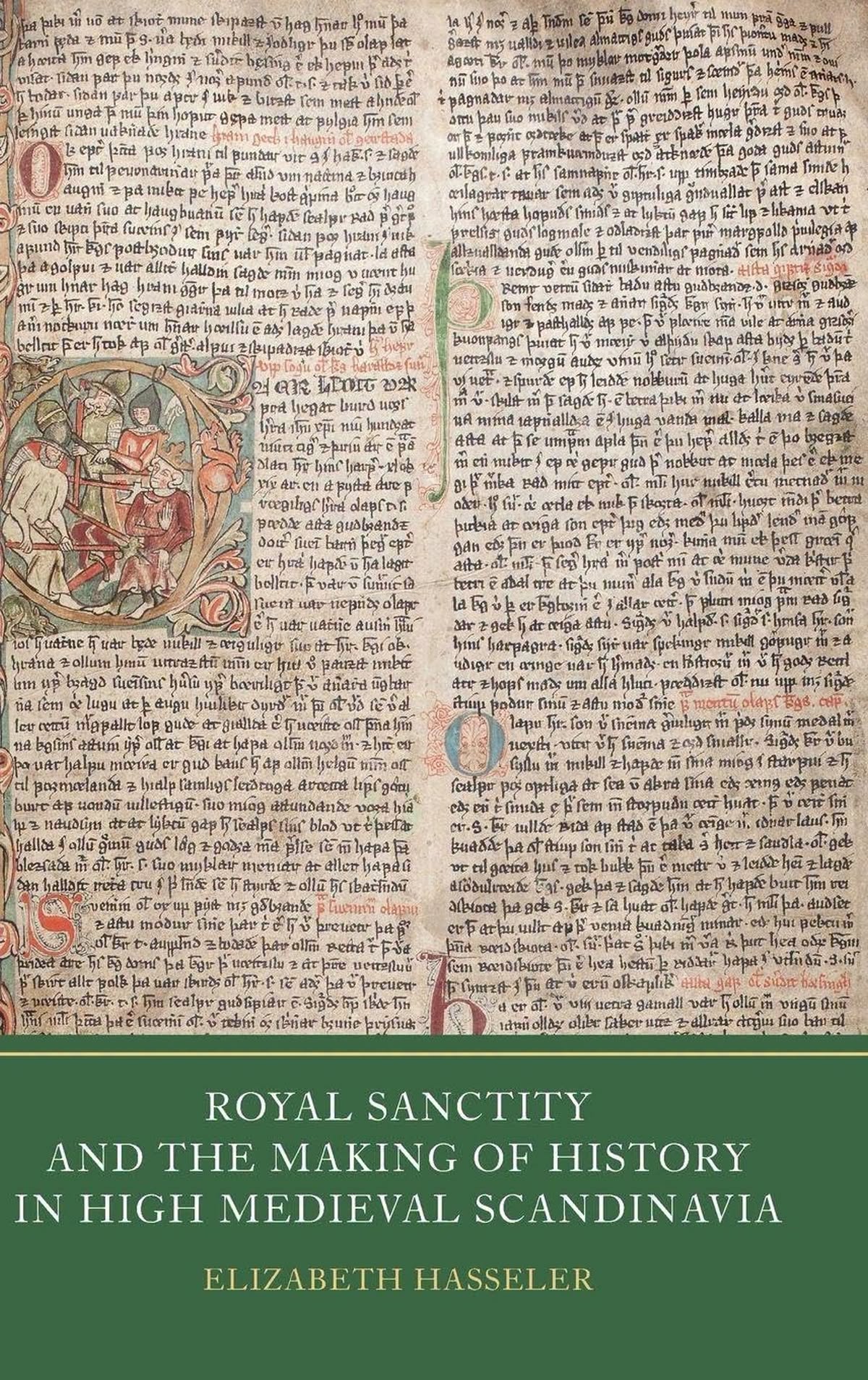
Table des matières :
Acknowledgments
List of Abbreviations
Introduction
1 Royal Sanctification in Medieval Scandinavia
2 The Making of Northern History
3 Missionary Kings and the Violence of Conversion
4 Royal Martyrdom and the Constitution of Christian Society
5 Law, Justice, and the Holy King
6 The Masculinities of the Scandinavian Royal Saint
Conclusion
Bibliography
Index
Informations pratiques :
Elizabeth Hasseler, Royal Sanctity and the Making of History in High Medieval Scandinavia, York, York Medieval Press, 2026 ; 1 vol., 258 p. (Writing History in the Middle Ages, 13). ISBN : 978-1-91404-936-1. Prix : USD 130,00.
Source : Boydell and Brewer






Vous devez être connecté pour poster un commentaire.