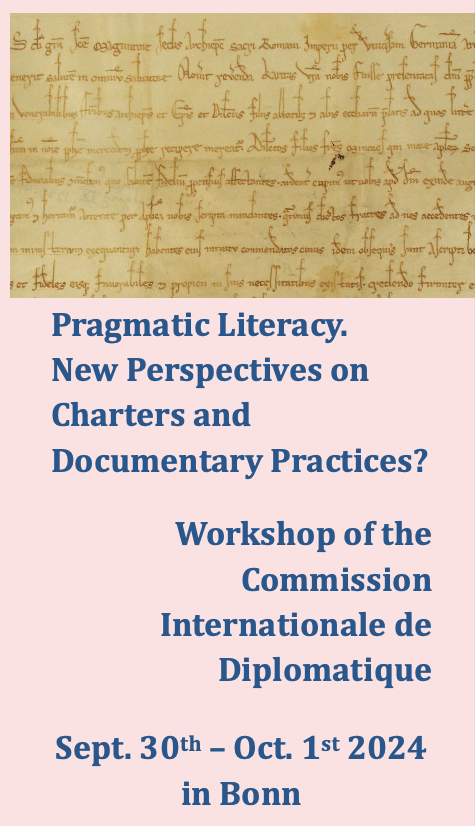
Colloque – Pragmatic Literacy. New Perspectives on Charters and Documentary Practices? Workshop of the Commission Internationale de Diplomatique

The term « pragmatic literacy » is employed primarily, although not exclusively, to describe texts and documents that emerged following the increase in writing during the 11th and 12th centuries. This field of research focuses on documents and manuscripts produced in judicial or administrative contexts as well as for the transaction of business. Furthermore, it covers a comprehensive overview of the full spectrum of document production, encompassing their materiality, copying and archival handling of documents, and so forth. Additionally, a more comprehensive analysis was conducted to examine the political, social, and administrative practices and requirements that could influence not only the production of texts in general, but also their form and content.

The workshop employs Clanchy’s phases of « Making – Using – Keeping » to evaluate the significance of the documents for various actors and to delineate and analyse the consequences this had for the evolution of the documents. Based on case studies we will discuss whether “pragmatic literacy” can be developed into an interdisciplinary research paradigm that is capable of analysing the complexity of documentary writing practices.
Monday, September 30th

9.15–10.00 Welcome (Andrea Stieldorf)
Introduction (Benoît Tock)

Section 1: Keeping and Using. Bringing Charters in a Book. The Process of Selection
Moderation: Claes Geyrot, Stockholm

10.00–10.45 : Philipp Wollmann, Munich: An Administrative Approach on Pragmatic Literacy. Curial Charters and Their Registration Especially at the Apostolic Penitentiary
10.45–11.15 Coffee break

11.15–12.00 : Diego Belmonte Fernandez, Sevilla: A Method and a Case Study. How to Approach the
Analysis of Pragmatic Literacy in Seville Cathedral (13th – 15th Centuries)
12.00–12.45 : Naemi Winter, Bonn: Administration and Annotation. The Werden Chartularies
12.45–14.15 Lunch break

Section 2: Keeping and Using. Charters in Different Types of Books
Moderation: Ignasi Baiges Jardí, Barcelona

14.15–15.00 : Guillermo Fernandez Ortiz, Oviedo: From the Medieval Cartulary to the Early Modern Becerro in Castilian Cistercian Monasteries
15.00–14.15 : Ludovica Invernizzi, Milano: Comparing Municipal and Ecclesiastical Documentary Collections. The case of Como (Late 13th – 14th Centuries)
16.00–16.15 Coffee break

Section 3: Making and Using. The Increasing Importance of Form
Moderation: Andrea Stieldorf, Bonn

16.15–17.00 : Paul Bertrand, Louvain/ Antonella Ghignoli, Roma, La Sapienza: Essai de diplomatique comparée. Les actes « doubles » au nord et au sud de l’Europe médiévale
17.00–17.45 : Ricardo Seabra, Lisboa: Notarial Diplomatics Across Borders: A Comparison Between Northern Portugal and North-West Spain in the Middle Ages
18.15 : Kathrin Chlench-Priber, Bonn: Affordance as a Concept for the Exploration of
Pragmatic Texts of the Middle Ages and the Early Modern Period

Tuesday, October 1st

Section 4: Making and Using. The Influence of the Recipients
Moderation: Christina Cunha, Porto

9.00–9.45: Georges Declerq, Brussels: The Pragmatic Literacy of Ordinary People. The Charters for Women and their Children from the Archives of St Peter’s Abbey, Ghent
9.45–10.30 : Falco van der Schueren, Ghent: Form Follows Function. Using the Formality of
Legal Acts as a Benchmark for Voluntary or Non-Contentious Jurisdiction in Late Medieval Hainaut.
10.30–11.00 Coffee Break

11.00–11.45 : Jaume Marce Sanchez, Barcelona: Notarial Activity and Charity Economy. An Approach to the Integration of Notaries in Late Medieval Hospitals
11.45–12.30 : Marî a Luisa Domînguez Guerrero, Sevilla: « Notarial Registries in Castille. An Example of Pragmatic Literature »
12.30 : Pragmatic Literacy for All? An Interdisciplinary Discussion (Mark Mersiowsky, Kathrin Chlench-Priber, Markus Spath, Timothy Salemme)

Informations pratiques :

Sept. 30th – Oct. 1st 2024
in Bonn

Registration:
Registration until September 7th 2024

Location:
Festsaal der Universita t Bonn,
Regina-Pacis-Weg 3, D-53113 Bonn
(1. Obergeschoss)
Organiser:
Prof. Dr. Andrea Stieldorf, Bonn University

Contact:
Diana Sünberg
Rheinische Friedrich-Wilhelms-Universita t Bonn
Institut fu r Geschichtswissenschaft
Abt. f. Hist. Grundwissenschaften und Archivkunde
Konviktstr. 11, D-53113 Bonn
Tel.: +49 228 / 73 – 50 31
E-Mail: gruwi-sekretariat@uni-bonn.de
Publié dans Colloque | Laisser un commentaire

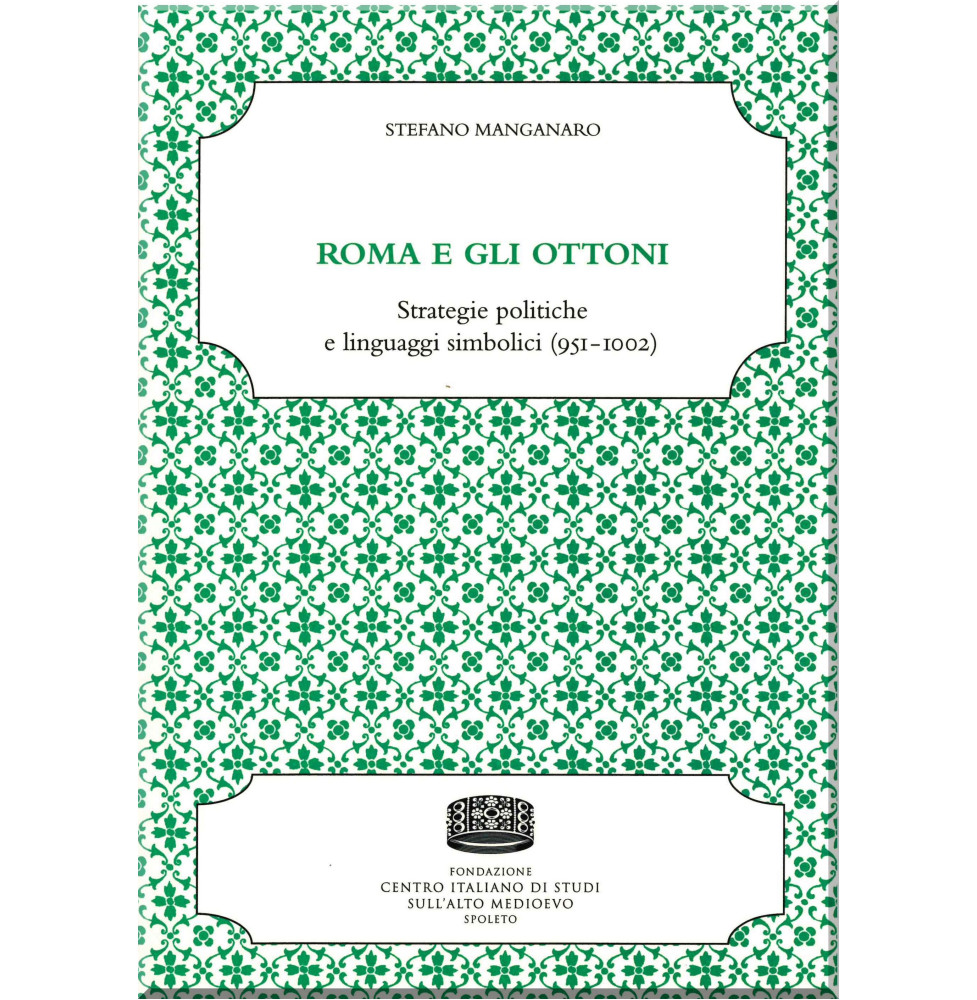
Publication – Stefano Manganaro, « Roma e gli Ottoni. Strategie politiche e linguaggi simbolici (951-1002) »

Roma e l’Impero medievale è un tema classico della storiografia. Prevalentemente inquadrato entro grandi schemi interpretativi, esso attende accertamenti circoscritti e analitici come quello proposto in questo volume. Al centro della indagine sta il rapporto della città – quindi della Sede Apostolica, degli ufficiali lateranensi e dell’aristocrazia urbana – con gli imperatori sassoni Ottone I, Ottone II e Ottone III tra il 951 e il 1002. Lungi dall’essere un epifenomeno nella storia di Roma, questo rapporto si presenta con caratteri di spiccata vitalità e originalità, sebbene i suoi esiti siano stati costantemente minati dai malintesi che di volta in volta sorsero tra i poteri romani e la corte imperiale. Roma sotto Ottone I è la città delle solenni sinodi papali-imperiali, utili per provare a governare la Reichskirche dall’esterno. Roma sotto Ottone II è la porta del Mediterraneo, da cui lanciare una sfida a Costantinopoli, poi monumentalizzata in un sepolcro imperiale di eccezione nell’atrio di S. Pietro. Roma sotto Ottone III è città apostolica ma anche urbs regia, la cui nuova centralità si coglie nell’allestimento di un palatium imperiale al di qua delle mura aureliane.

Table des matières :

Premessa – I. Ottone I a Roma. Un re missionario e le sinodi papali-imperiali: tra coordinamento e incomprensioni con gli attori romani – 1. Il lungo avvicinamento di Ottone I a Roma – 2. Gli uomini di Ottone I a Roma (947/948-965) – 3. Tentativi di convergenza tra Ottone I e i Romani: la scelta del 2 febbraio 962 e l’elezione di Leone VIII nel 963 – 4. La sinodo di novembre-dicembre 963: due linguaggi diversi e due ecclesiologie concorrenti – 5. Gli uomini di Ottone I a Roma (966-973) – 6. La funzione di Roma nelle strategie politiche di Ottone I: centralità delle sinodi papali-imperiali – Sintesi – II. Ottone II a Roma. Una sepoltura di eccezione nel Paradisus di S. Pietro e la competizione con Costantinopoli – 1. Una decisione irrituale – 2. Forme e collocazione del sepolcro – 3. Attori e datazione: due ipotesi – 4. Una imitatio Constantini mediata da un codice simbolico nordalpino – 5. Ancora su attori e datazione: l’ipotesi più probabile – 6. Il problema del suffragio liturgico e le relazioni del sepolcro con le presenze a esso attigue – 7. Fragile Nachleben: dalle prime testimonianze alla debole presenza della tomba ottoniana nella memoria della città (secc. XI-XVII) – Sintesi – III. Ottone III a Roma. Centralità di una sede palaziale – 1. Il palatium carolingio presso S. Pietro – 2. Il palatium di Ottone III all’interno delle mura aureliane – Sintesi – Conclusioni – Tavole – Bibliografia – Indice dei nomi di persona.

Informations pratiques :

Stefano Manganaro, Roma e gli Ottoni. Strategie politiche e linguaggi simbolici (951-1002), Spolète, Fondazione Centro italiano di studi sull’alto medioevo, 2024 ; 1 vol., VI–382 p. (Istituzioni e Società, 28). ISBN : 978-88-6809-412-6. Prix : € 52,00.

Source : CISAM

Publié dans Publications | Laisser un commentaire

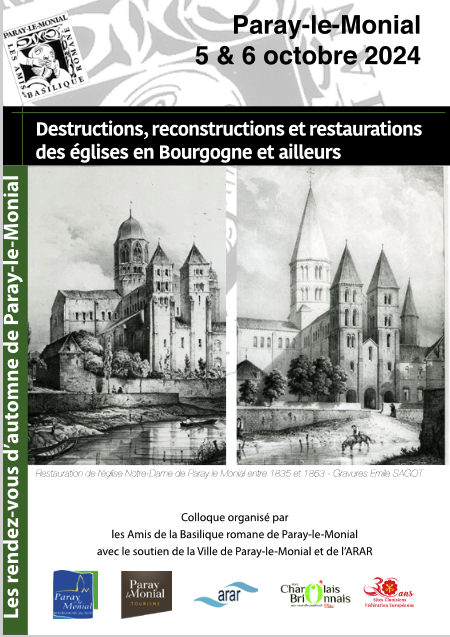
Colloque – Destructions, reconstructions et restaurations des églises en Bourgogne et ailleurs. Rendez-vous d’automne de Paray-le-Monial

Incendies, vétusté, révoltes, conflits armés, accidents climatiques, dictats de la mode… Les causes de destruction d’églises sont aussi nombreuses que les raisons de les rétablir, par transformation, restauration ou reconstruction. Depuis !’Antiquité, chaque époque a répondu à sa manière aux défis des périls encourus et des exigences culturelles. Mais quel parti choisir ? Élaborer un néo‑roman ou un néo-gothique ? Innover, comme à la Renaissance ? Refaire à l’identique, comme à Notre-Dame ? Adapter l’édifice aux conditions actuelles, en remplaçant une source ancienne de pollution – une vieille toiture en plomb par exemple – par un matériau contemporain ? En Bourgogne, terre de l’art roman, les églises sont nombreuses à raconter les heures sombres de leur histoire et les temps de résurrection, mais aussi les choix des architectes, les savoir-faire des hommes de l’art et les rêves des fidèles.

Les interventions du samedi aborderont les questions architecturales. La sortie du dimanche matin consacrée aux églises de Poisson et Marcigny introduira, à côté de l’architecture, l’évolution du décor, à travers l’exemple de la mémoire de l’abbé de Cluny Hugues de Semur dont on célèbre cette année le millénaire de la naissance. Elle sera préparée en fin de journée du samedi par la présentation de deux œuvres du Musée du Hiéron qui se rattachent à Hugues de Semur.

Samedi 5 octobre 2024 ; Paray-le-Monial, Théâtre Sauvageot

8 h 00 : Accueil des participants au Centre culturel et de Congrès

9 h 00 : Présentation et introduction du colloque

  • Catherine Vincent, Présidente des Amis de la basilique romane
  • Nicolas Reveyron, Conseiller scientifique des Amis de la basilique romane

9 h 30 : Début des travaux

  • Nicolas Reveyron, Professeur émérite, Université Lyon 2 – « Qu’est-ce que restaurer une église ? »
  • Aurélien Michel, Chef de projet Pays d’art et d’histoire ; Chargé de projet candidature UNESCO Pays Charolais-Brionnais, « Maintenir et conserver, révéler et restituer, remanier et modifier : trois exemples de restauration d’églises romanes du Charolais-Brionnais (Paray-le-Monial, Varenne-l’Arconce et Saint-Nicolas de Marcigny) »
  • Philippe Dubois, Université de Dijon et Société d’études mâconnaises, « Le “Vieux Saint-Vincent“ de Mâcon »

12 h 30 : Déjeuner (possibilité de déjeuner en commun au restaurant Les Vendanges de Bourgogne, sur inscription)

14 h 15 : Reprise des travaux 

  • Charlotte Gaillard, Service Archéologique de la ville de Lyon, Chercheur associé Arar, « Comprendre et restaurer le Moyen Âge au XIXe siècle : les exemples de l’Île-Barbe et de Saint-Irénée (Lyon) »
  • Yann Harlaut, Docteur en Histoire de l’université de Reims, « Les restaurations de Notre-Dame de Reims (1919-1938). Une histoire exemplaire entre idéologies, polémiques, contraintes de temps et de moyens »
  • Bruno Phalip, Université de Clermont-Auvergne, « Notre-Dame de Paris, restaurer au XIXe siècle et restaurer au XXe siècle »
  • Catherine Vincent, Conclusions

Samedi 5 octobre 2024

17 h 30 : Musée du Hiéron 

  • Maud Siron, Conservatrice du Musée du Hiéron, « Saint Hugues dans les collections du Musée du Hiéron »

Cocktail de clôture et rencontre avec les conférenciers au Musée du Hiéron

Dimanche 6 octobre 2024

Départ de Paray-le-Monial à 8 h 45 ; rendez-vous au parking de la Place de l’Europe à Paray-le-Monial ; co-voiturage.

Visite des églises de Poisson et de Marcigny.

Fin du programme à 12 h 00

Informations pratiques :

Théâtre Sauvageot et Centre Culturel et de Congrès – Boulevard du Collège
Paray-le-Monial, France (71600)

5-6 octobre 2024

Catherine VINCENT
courriel : amisbasiliqueparay [at] wanadoo [dot] fr

Source : Calenda

Publié dans Colloque | Laisser un commentaire

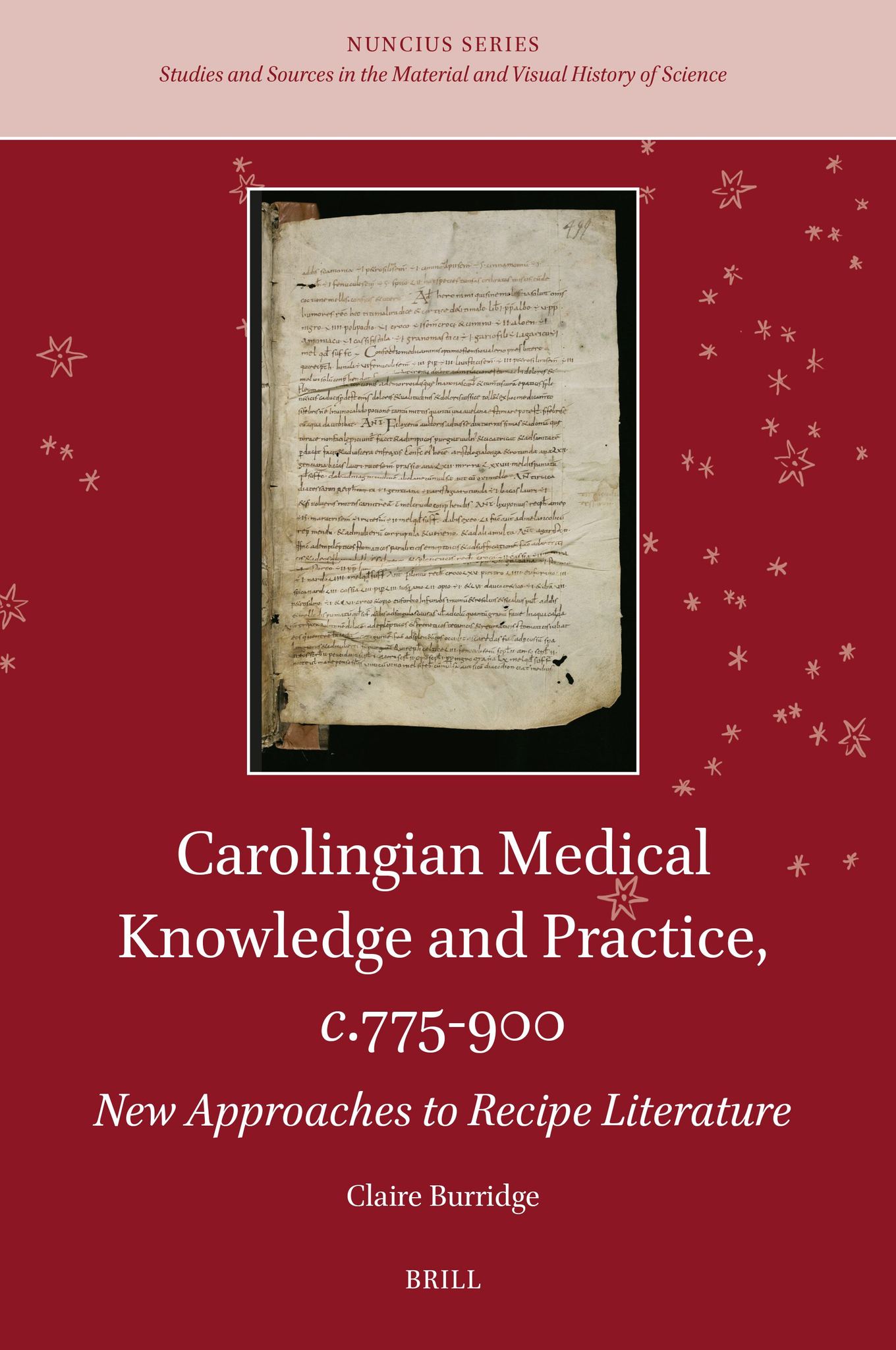
Publication – Claire Burridge, « Carolingian Medical Knowledge and Practice, c.775-900. New Approaches to Recipe Literature »

arolingian Medical Knowledge and Practice explores the practicality and applicability of the medical recipes recorded in early medieval manuscripts. It takes an original, dual approach to these overlooked and understudied texts by not only analysing their practical usability, but by also re-evaluating these writings in the light of osteological evidence. Could those individuals with access to the manuscripts have used them in the context of therapy? And would they have wanted to do so? In asking these questions, this book unpacks longstanding assumptions about the intended purposes of medical texts, offering a new perspective on the relationship between medical knowledge and practice.

Claire Burridge is a Senior Researcher at the University of Oslo, having previously held postdoctoral fellowships at the British School at Rome and a Leverhulme Trust Early Career Fellowship at the University of Sheffield.

Table des matières : ici

Informations pratiques :

Claire Burridge, Carolingian Medical Knowledge and Practice, c.775-900. New Approaches to Recipe Literature, Boston–Leyde, Brill, 2024 ; 1 vol., XXII–412 p. (Nuncius Series, 14). ISBN : 978-90-04-46616-6. prix : € 149,00.

Source : Brill

Publié dans Publications | Laisser un commentaire

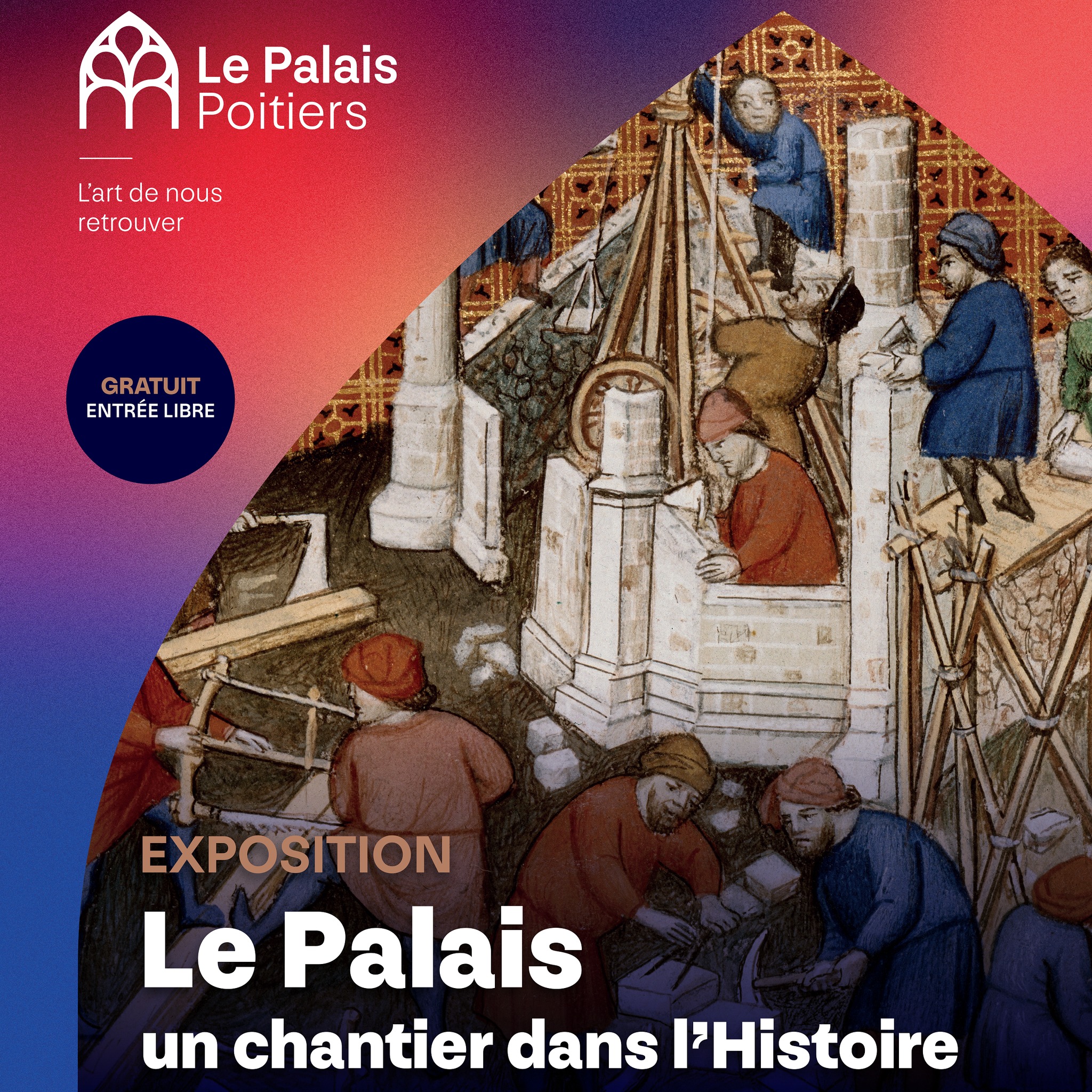
Exposition – Le Palais : un chantier dans l’histoire

Petits et grands, venez découvrir l’histoire des différents chantiers du Palais, du Moyen Âge à demain !

Le Palais a marqué de son empreinte le cœur de la ville de Poitiers avec laquelle il a évolué dès l’époque médiévale. Au fil des siècles, il s’est transformé et s’est agrandi au grès des nécessités d’usages ou par la volonté de femmes et d’hommes de pouvoir autant que mécènes. Parfois documentés ou à l’état d’hypothèses, les différents chantiers de constructions ou d’aménagements du Palais donnent à voir l’évolution de la physionomie du monument et de ses abords. Avec un nouveau chantier qui s’ouvre aujourd’hui, le Palais est au cœur d’un projet de réhabilitation d’envergure pour le révéler et le réinventer tout en recréant le lien avec la ville.

Plusieurs thématiques sont abordées :
1- Qu’est-ce qu’un chantier de construction au Moyen Âge (les acteurs du chantier, matériaux, techniques et outillages, vie quotidienne)
2- Le chantier du palais à travers les âges (les origines du palais, le palais des Plantagenêt, le palais de Jean de Berry, le palais à l’époque moderne)
3- Quel palais pour demain ? (fait par la ville) sur le devenir du palais et le projet d’aménagement.

L’exposition rend compte des recherches du CESCM et du PCR menées sur le palais de Poitiers et les chantiers de construction en croisant histoire, histoire de l’art, archéologie et archéologie du bâti.

Carnets de croquis, jeux de constructions, jeux pour enfants sur table tactile… à disposition dans l’exposition.

Gratuit – En accès libre tous les jours de 11h à 20h.

Commissariat d’exposition : Nicolas Prouteau

Rédaction des contenus : Claude Andrault-Schmitt, Bénédicte Fillion-Braguet, Héloïse Dupin, Nicolas Prouteau, Fabrice Vigier, le service Culture et Patrimoine de la ville de Poitiers.

Source : CESCM

Publié dans Exposition | Laisser un commentaire

Publication – « La Bible française du XIIIe siècle. Édition critique des livres de Ruth, Judith et Esther », éd. Claudio Lagomarsini

La Bible du XIIIe siècle est la plus ancienne traduction française complète et littérale de la Vulgate. Produite à Paris vers le milieu du XIIIe siècle, elle se répand rapidement dans des milieux féminins : sa mention la plus ancienne (1274) évoque en effet la crainte d’interprétations inconvenantes, voire hérétiques, de la part des Béguines. Malgré son importance, cette translation demeure largement inédite. La présente publication tente de relancer le projet d’une édition complète, qui s’était arrêté à la Genèse. Claudio Lagomarsini a repris ici ce travail en éditant Ruth, Judith et Esther, soit les trois livres de l’Ancien Testament ayant pour protagonistes des femmes exemplaires. Il s’agit de courts livres narratifs dont l’étude est également intéressante pour examiner le développement de la prose française au cours du XIIIe siècle, qui vit aussi l’élaboration des grands cycles arthuriens et des premiers ouvrages historiographiques en prose.

Table des matières :

Avant-propos

Introduction

Les livres de Ruth, Judith et Esther: de la Vulgate à la version française du XIIIe siècle

Tradition textuelle et classement des manuscrits

La traduction

Remarques sur la scripta du mn. B (BnF fr. 899)

Établissement et présentation des textes

RUTH

JUDITH

ESTHER

NOTES Ruth Judith Esther

GLOSSAIRE

INDEX DES NOMS PROPRES

BIBLIOGRAPHIE

Informations pratiques :

La Bible française du XIIIe siècle. Édition critique des livres de Ruth, Judith et Esther, éd. Claudio Lagomarsini, Genève, Droz, 2024 ; 1 vol., 240 p. (Textes Littéraires Français, 664). ISBN : 978-2-600-06518-4. Prix : CHF 55,00.

Source : Droz

Publié dans Publications | Laisser un commentaire

Bourse – IHR Fellowship (Non-Stipendiary)

Our Fellowship Programme provides a home for researchers conducting historical projects. The non-stipendiary IHR Fellowship offers a formal IHR affiliation for those who will benefit from a period of time embedded within the IHR community and who wish to contribute to that community. Fellows will likely be non-affiliated historians at all career stages, overseas visitors, or researchers working in other parts of the history world such as public history or museums and archives. The overriding purpose of the Fellowship is to create an active community of mutually supportive researchers.

As members of the IHR, fellows have access to our extensive library & digital resources, our community common room, our events programme and our seminars. As members of the University of London, fellows also have access to Senate House Library, one of the UK’s largest academic libraries for arts, humanities and social sciences. This includes offsite access to digital resources. Fellows are also entitled to a University email account and an entry in the University Directory of Expertise.

Fellows are invited to the annual Fellows and Friends Lecture in the autumn term and are expected to attend at least some of the monthly hybrid Fellow’s Symposia in which our funded early career and doctoral fellows present their work. All IHR Fellows have an introductory meeting with the IHR Director to discuss their role within the Institute. We welcome applications from those who wish to engage with the IHR remotely, as well as those who want a more in-person experience.

Applications are invited every summer via our online applications system only. Fellowships are offered for one year from 1st October in the first instance with the opportunity to apply for renewal. All fellows must complete a short report on their activities in the summer term and renewal is contingent on this report being received.

Applicants are asked to explain:

  • What historical work they will pursue as an IHR Fellow. Each fellow will normally bring an on-going project with them. The IHR Fellowship is designed to support historical practice rather than being a mark of distinction alone.
  • Why they wish to join the IHR community and how it will benefit them. Fellow’s tend to have specific reasons for wanting this particular relationship with the IHR. These might include access to our unique resources, to our communities of scholarship, or research synergies with our own work on Place, Policy, Practice and Public History.
  • How they will contribute to the IHR community as a Fellow. Past fellows have made diverse contributions including pieces for the IHR’s On History Blog, involvement in the training and mentoring of early career scholars, and support for events and projects.
  • What collaborations they hope to develop as a Fellow. The IHR offers an intellectual home for all those who work with the past and acts as a history-hub for history connections across the UK and beyond. We encourage our fellows to participate in at least one IHR Seminar for the duration of the fellowship and to work with our networks to develop new collaborations.

In a climate of cuts and precarity, we particularly encourage applications from those who are in-between posts or are otherwise without a history-home. Such applicants might find the IHR affiliation useful when making new job applications, might benefit from IHR resources when completing projects, and will find the IHR community a source of intellectual support and mentorship.

We also encourage applications from those working in community history and want the IHR Fellowship to reflect capacious and inclusive ideas of what history is, and who historians are.

A small amount of research support funding may be available to those Fellows in greatest need of it to complete a particular project. All IHR Fellows must adhere to the Institutes Terms and Conditions. The IHR reserves the right to terminate a Fellowship following any breach of these conditions.

DURATION

The IHR Fellowship is for 1 year, beginning on 1 October. It is renewable, on request following a fuller report on the previous years’ activities.

HOW TO APPLY

Applications can be made via our Online Application System and consistofthreeelements

  • a short CV.
  • a statement of research interests and projects.
  • a letter outlining why the applicant requires the resources of the IHR and what they anticipate contributing to the IHR community.
  • One letter of support for the application. This should be from someone who can vouch for the applicant’s interest in research, good faith and behaviour. Letters might be from might be from academics, those working in the galleries, libraries, archives and museums sector, or those involved in community history projects, amongst others.

DEADLINE

31 August 2024

FINAL REPORT

It is a condition of the IHR Fellowship to submit an annual report, which will be by 31 May 2025. Our Fellowships and Partnerships Team will provide a link and details of how to submit the report, closer to this date.

The report should describe the Fellowship experience, detailing the activities undertaken during the period of the Fellowship, and contributions made to the life of the IHR.

SELECTION POLICIES

Applications will be considered by a panel, chaired by the IHR’s Advisory Council Chair, and including the IHR Director, as well as one other member of the Advisory Council. The committee will assess the applications with reference to the following criteria, taking career stage into account.

  • The vitality of the research track record and/or other relevant history-focused activity of the applicant as exhibited by their application and letter of support.
  • The importance of the proposed research to the applicant’s area of work and the prospects for wider dissemination, and/or public engagement and impact.
  • The extent to which the Fellowship will assist the applicant in their career development.
  • The candidate’s likely contribution to the IHR community and the reach and/or significance of the collaborations that they hope to develop.

Source : University of London

Publié dans Bourse, Offre d'emploi | Laisser un commentaire

Publication – Viva Sacco, « Dalla ceramica alla storia economica. Il caso di Palermo islamica »

Negli ultimi anni lo studio della Sicilia islamica, per lungo tempo affidato esclusivamente all’analisi delle fonti scritte, ha beneficiato di numerosi nuovi risultati archeologici, i quali hanno permesso di accedere a nuovi tipi di informazioni utili a gettare luce su alcuni aspetti della storia sociale ed economica dell’isola. Allo stesso tempo si è reso necessario distinguere la cultura materiale tipica dell’età islamica da quella della successiva epoca normanna, a lungo considerate un tutt’uno. Questo nuovo approccio allo studio della Sicilia islamica ha fatto emergere in maniera più evidente il ruolo chiave che Palermo ebbe nelle dinamiche politiche, economiche e sociali del Mediterraneo centrale.

Il presente lavoro si inserisce in questa nuova fase degli studi concentrandosi sulla capitale siciliana, osservata attraverso il filtro delle sue produzioni fittili destinate sia al mercato locale sia al più ampio mercato mediterraneo, oltre che delle importazioni ceramiche. Per la prima volta vengono messi a sistema oltre 40.000 frammenti provenienti da contesti archeologici di diversi siti palermitani ed extra-urbani al fine di proporre un utile strumento di lavoro per lo studio dei depositi stratigrafici. Inoltre, questo lavoro classificatorio permette anche e soprattutto di mostrare il contributo che la fonte archeologica, ed in particolare la ceramica, può offrire nella ricostruzione della storia economica di un periodo e di un’area geografica a lungo considerati avvolti nell’oscurità.

Dottore in archeologia e storia dell’arte islamica presso l’Université Paris-Sorbonne e l’Università di Messina, ancienne membre de l’École française de Rome, Viva Sacco è una archeologa e ceramologa specialista nello studio delle produzioni ceramiche circolanti in Sicilia e Ifrīqiya tra IX e XII secolo.

Informations pratiques :

Viva Sacco, Dalla ceramica alla storia economica. Il caso di Palermo islamica, Rome, École française de Rome, 2024 ; 1 vol., 560 p. (Bibliothèque des Écoles françaises d’Athènes et de Rome, 415). ISBN : 978-2-7283-1802-5. Prix : € 68,00.

Source : École française de Rome

Publié dans Publications | Laisser un commentaire

Web – C@nivez. Les Statuta de l’ordre de Cîteaux numérisés

Statuta Capitulorum Generalium Ordinis Cisterciensis ab anno 1116 ad annum 1786, Louvain, Bureaux de la Revue, 1933‑1941 notice de la BnF

Ce projet conduit par l’équipe du CBMA entre 2021 et 2024, et financé par le LaMOP (UMR 8589), propose la publication numérique, en vue de la consultation et de l’interrogation experte sous différents formats électroniques, de l’édition monumentale des statuta annualia de l’ordre de Cîteaux, les Statuta Capitulorum Generalium Ordinis Cisterciensis ab anno 1116 ad annum 1786.

Préparée par le père trappiste Robert Trilhe, après sa mort, l’édition a été complétée et publiée en huit volumes par le père Joseph‑Marie Canivez (1878‑1952), entre 1933 et 1941, à Louvain, par les Bureaux de la Revue d’histoire ecclésiastique. C@nivez prend en compte les textes des statuta et les renvois aux éditions précédentes, sans l’apparat critique complet de l’éditeur et contient 416 unités documentaires. Chaque unité documentaire est identifiée par un n° de document (ajouté par l’équipe
du projet). Les champs/métadonnées de la version XML sont : DATE, ANNOTATION, TITRE I, TITRE II, etc, SOUS TITRE, NUMERO DE PAGE, TEXTE, CANON NUMERO, CANON TITRE. Les balises de la version XML‑TEI sont : ITEM, DATE, NAME, P, QUOTE, REG, NUM.

Versions électroniques : XML/TEI PDF TXT
La saisie des textes par le prestataire WordPro a été possible grâce à la version en image numérique des volumes générée par l’IRHT (Institut de recherche et d’histoire des textes ‑ CNRS) que nous remercions.

Editeurs : Ekaterina Novokhatko (Université Paris 1 Panthéon‑Sorbonne ‑ LaMOP), Pierre Brochard (CNRS ‑LaMOP), Eliana Magnani (CNRS ‑ LaMOP)

Contributeurs :
Gabriel Castanho (UFRJ ‑ Lathimm), Marlène Helias‑Baron (CNRS ‑ IRHT), Elisabeth Lusset (CNRS ‑ LaMOP), Willy Morice (CNRS ‑ LaMOP), Nicolas Perreaux (CNRS ‑ LaMOP), Coraline Rey (Archives Départementales du Var)

Lien de Téléchargement sur Nakala

Lien de Téléchargement sur le site du projet CMBA

Interroger le corpus avec le logiciel Philologic

Source : LAMOP

Publié dans Web | Laisser un commentaire

Appel à contribution – Craftspeople and Ways of Learning

This call for papers invites contributions for an in-person session on craftspeople and different ways of learning to be held at the IMC in Leeds, taking place from 7th to 10th July 2025.

Craftspeople and Ways of Learning

Medieval Craftspeople knew how to make things – ranging from everyday objects to luxury products, from serial articles to single pieces, from well-known devices to innovative tools and machines. Moreover, medieval artisans did not only possess skills specific to craft production. Many also knew how to calculate and how to write account books, recipes, or purchasing lists. During the later Middle Ages, some committed to paper whole tracts and how-to manuals pertaining to their craft, others wrote family and/or city chronicles.

The proposed in-person session seeks to focus on how craftspeople obtained their knowledge and skills regarding materials, specific techniques, calculating, and/or writing. We therefore invite new arguments and insights into the different ways, forms, and sites of artisanal learning. This may include discussions of skills that were learned by experimenting while making objects; a form of practical, embodied knowledge notoriously difficult to reconstruct. Submissions may also consider different locales of learning – such as urban workshops, schools and homes as well as cloisters and royal courts – or the formalisation and regulation of knowledge transmission, for example via apprenticeships and periods as a journeyman in the context of guilds. Further possible topics in relation to craftspeople and learning may include, but are by no means limited to:

– Artisans as agents of knowledge and methods of artisanal teaching as performed in practice, put into writing, and/or visualized in images
– Standardisation of working processes and products
– The role of migration, cross-cultural, and/or inter-religious collaboration
– Forms of solidarity, collaboration, mutual dependency, bondage, or coercion in relationships of learning and teaching
– Dis/ability and learning
– Gender and learning
– Ways of testing and certifying skills and knowledge
– Representations of artisanal learning in literature and art
– Methods of reconstructing learning processes, techniques, and knowledge in different source types

Please submit abstracts of approximately 300 words for 20-minute papers to Eva-Maria Cersovsky (cersovse@uni-koeln.de) by 31st August 2024. The proposal should also include your contact information, academic affiliation, and a short biography. If you have any questions, please do not hesitate to get in touch!

Kontakt : Eva Cersovsky: cersovse@uni-koeln.de

Publié dans Appel à contributions | Laisser un commentaire