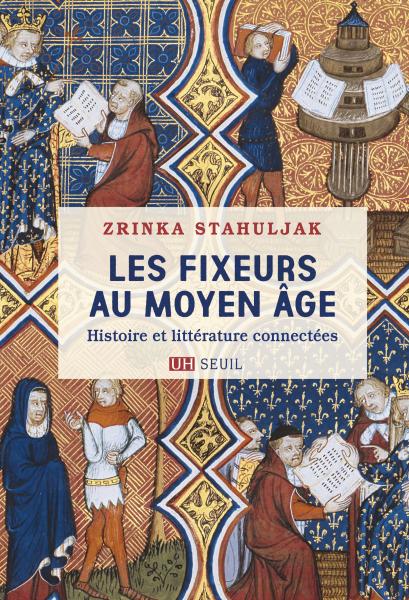
Depuis l’engagement occidental en Afghanistan, en Irak, puis en Syrie, le terme de « fixeur » est devenu fréquent pour désigner, quasi exclusivement, des hommes qui rendent des services multiples aux journalistes et aux armées étrangères : à la fois interprètes, informateurs, guides, médiateurs, chauffeurs, ce sont des intermédiaires, des arrangeurs qui possèdent de multiples savoirs et techniques. Leur principal domaine d’action se situe dans des situations de conflit qui exigent une intervention bilingue, entre deux langues mutuellement inintelligibles.
Être fixeur est une position très ancienne que l’on trouve déjà au Moyen Âge dans toutes les situations de rencontre entre langues : croisade, pèlerinage, prédication, commerce, mais aussi dans toutes les opérations de traduction. C’est l’homme (ou la femme) invisible de l’histoire – comme si les intermédiaires que sont les traducteurs n’avaient pas d’existence physique et historique. Comme si la circulation des textes n’était pas aussi une invitation à l’action.
L’anachronisme assumé par ce livre est une manière d’écrire au présent l’histoire de la littérature médiévale, de lui restituer les corps qui l’ont produite et transmise, ainsi que sa puissance politique.
Née en Croatie, Zrinka Stahuljak est professeure de littérature et civilisation médiévales aux départements de Littérature comparée et d’Études françaises et francophones et directrice du Centre des études médiévales et de la Renaissance à l’Université de Californie, Los Angeles (UCLA). En France, elle a publié L’Archéologie pornographique. Médecine, Moyen Âge et histoire de France (PUR, 2018).
Informations pratiques :
Zrinka Stahuljak, Les Fixeurs au Moyen Âge. Histoire et littérature connectées, Paris, 2021 (L’Univers historique). 208 p. ISBN : 9782021440744. Prix : 20 euros.
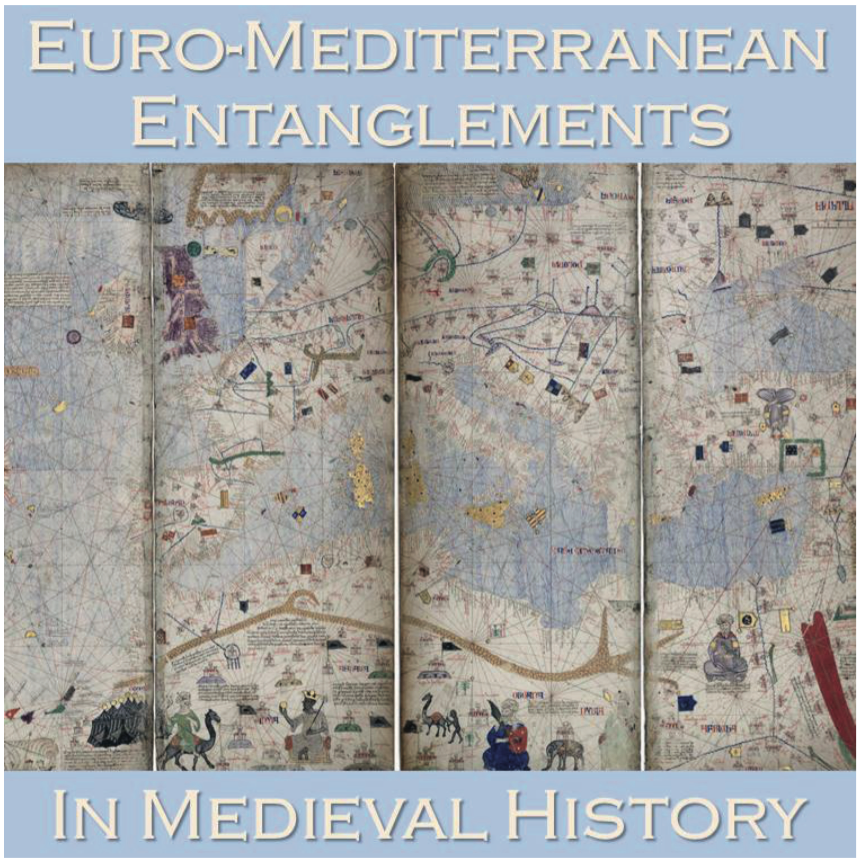
First Online Seminar Series Organised by the German Historical Institutes of Paris and Rome
The German Historical Institutes of Paris and Rome are launching a new online seminar series on « Euro-Mediterranean Entanglements in Medieval History » in the academic year 2021/2022. The events take place every two months. They are aimed at both young and established scholars from all medieval disciplines. The intention is to create an international and interdisciplinary forum where diverse topics and methodological approaches can be presented and discussed.
Topics
The geographical area is deliberately not clearly defined and includes Europe, as well as the Mediterranean region in its broadest sense. Also comprised are interconnections between the Euro-Mediterranean area and other world regions. The following topics are in focus:
cross-regional, transcultural, and interreligious entanglements (processes/results).
overlapping spaces: between geographic borders and cultural contacts
social networks and interpersonal relations
mobility and migration
transfer, diffusion and adaptation of ideas, knowledge and material objects
Seminar schedule Each seminar focuses on discussion and is held in English. The presenter submits her/his paper (max. 5000 words ) about 10 days before the event so that all participants can read it in advance. In the online seminar itself, only a 10-minute keynote presentation will be given. A subsequent 10-minute commentary by a specialist will stimulate the following discussion.
Complete program and registration Tuesdays, 17.00-18.00 (Paris/Rome time) September 28, 2021 – November 23, 2021 – January 25, 2022 – March 29, 2022 – May 24, 2022
Tuesday, 28 September 2021, 5:00–6:00 PM (Paris/Rome)
From Convivencia to Entanglement. Interpreting Christian, Jewish, and Muslim Retellings of the Hebrew Bible in Medieval Iberia Speaker: David Wacks (Eugene OR) Discussant: Matthias M. Tischler (Barcelona)
Tuesday, 23 November 2021, 5:00–6:00 PM (Paris/Rome)
Crusader Relics Re-shaping Monastic Identity. The Latin East, the Abbey of Cluny, and the Lost finger of Saint Stephen Speaker: Miriam Tessera (Milan) Discussant: Christopher Gerrard (Durham)
Tuesday, 25 January 2022, 5:00–6:00 PM (Paris/Rome)
The eikouménē. Traffic and Transmission of Musical Signs across the Eastern Mediterranean during the Renaissance Speaker: Patrick Becker-Naydenov (Leipzig) Discussant: Judith I. Haug (Istanbul)
Tuesday, 29 March 2022, 5:00–6:00 PM (Paris/Rome)
Mobility, Diversity, and Connectivity. Medieval Southern Italy/Sicily through the Lens of Transnational History Speaker: Valerie Ramseyer (Wellesley MA) Discussant: Dominique Valérian (Paris)
Tuesday, 24 May 2022, 5:00–6:00 PM (Paris/Rome)
Scandinavian-Mediterranean Entanglements (11th–13th centuries) Speaker: Francesco D’Angelo (Rome) Discussant: Kathryn Hain (Marquette NE)
L’assurance est, par excellence, la technique de gestion des risques. L’histoire du contrat qui en est le principal instrument, en matière maritime comme pour les assurances terrestres, a déjà fait l’objet de nombreux travaux. De récentes recherches ont ainsi mis en lumière les étapes de sa construction jurisprudentielle et législative. Parmi les champs de recherche qui mériteraient d’être davantage explorés, celui de la gestion des conflits est particulièrement pertinent, en tant que mécanisme constitutif de l’assurance. Outre la résolution des conflits classiques qui relèvent des ordres juridictionnels traditionnels (judiciaire, administratif…) ce secteur a été confronté à des conflits de législation et de répartition de compétences juridictionnelles, mais il présente aussi une prédisposition au recours aux modes alternatifs de règlement des conflits. Le droit des assurances, plus que tout autre et avec succès, a massivement emprunté les voies alternatives. Il semble ainsi que s’observe une continuité entre l’objet de la technique assurancielle et les modalités de traitement des différends que cette dernière suscite. L’objectif de ce colloque est de s’interroger sur la réalité historique de cette continuité. Trois axes d’études peuvent être privilégiés.
1. LE CONFLIT COMME RISQUE
Lorsque le monde médiéval commence à développer ses activités de navigation, les juristes recherchent dans le droit romano-canonique des instruments juridiques immédiatement utilisables pour en encadrer le recours. Le prêt à la grosse aventure est, en effet, conceptualisé à partir du Nauticum foenus romain. Dans leur lutte contre l’usure, les canonistes, à l’instar de Thomas d’Aquin ou encore Olivi, rechercheront également des instruments pertinents. La démarche intellectuelle et la réflexion doctrinale des auteurs mériteraient d’être mises en valeur, autant pour la France que pour l’Italie (Bernardin de Sienne, P. Santerna, B. Bosco, etc.). Par ailleurs, il serait particulièrement bienvenu d’interroger un très ancien mécanisme, encore bien trop peu étudié : l’asseurement. Il s’agit, au Moyen Âge, d’un serment d’assurance prêté devant médiateurs, par lequel un justiciable renonce au droit de vengeance (guerre privée) et s’oblige à ne plus commettre d’hostilité à l’encontre d’une personne déterminée. Cette dernière jouit alors d’une garantie formelle selon laquelle elle se verra indemnisée à la suite d’éventuels dommages. Cette paix qu’une sauvegarde formalise peut être assimilée à une assurance particulière. Il est possible d’envisager l’asseurement en tant que pratique sociale de pacification des rapports. Il semblerait également pertinent de l’aborder sous l’angle doctrinal ; si Philippe de Beaumanoir, dans les Coutumes de Beauvaisis, et Jean
Boutillier dans la Somme rurale en évoquent les contours, l’Église, dans sa lutte contre le sang et la violence, a également participé à en construire le socle théorique.
Mais c’est entre les XVIe et XXe siècles que la doctrine va véritablement conceptualiser le contrat d’assurance et en faire évoluer la nature afin de l’adapter aux besoins de la société. Initialement considéré comme un contrat commercial et maritime, il tend rapidement à devenir un contrat terrestre qui, depuis la loi de 1930, se rapproche du contrat de consommation. Des études portantsur les réflexions d’auteurs autant français (notamment Du Moulins, Pothier, H. Capitant, Planiol, Lyon-Caen), qu’étrangers ou sur des controverses doctrinales seraient particulièrement bienvenues.
Par-delà le cas de la législation française de l’assurance, il serait très intéressant de faire un focus sur une approche comparée des droits (cf. la fonction des sociétés de droit comparé avec leurs bulletins et revues créées durant la seconde moitié du XIXe siècle tant en France, qu’en Allemagne et en Angleterre). La comparaison s’avère stimulante pour évoquer la diversité, les pratiques de règlements des conflits (à cet égard une étude de la jurisprudence serait également bienvenue) et pour mieux comprendre aussi l’ambition d’unifier le droit. Compte tenu de l’inventaire des législations, existe-t-il à partir d’une analyse et d’une interprétation raisonnée un type prédominant qui puisse servir de modèle dans une perspective d’entente internationale ? Par ailleurs, la place de l’État dans la gestion des conflits assuranciels doit être aussi interrogée. C’est ainsi qu’en Allemagne véritable modèle assuranciel depuis ses grandes lois sociales des années 1880-1890, l’Office impérial des assurances chargé d’assurer une surveillance générale sur l’ensemble des activités de l’assurance, mais encore de trancher les conflits auxquels ce fonctionnement peut donner lieu, constitue un exemple pertinent de l’ancrage historique du contrôle étatique dans la gestion des conflits. L’État s’est aussi manifesté à l’occasion de conjonctures de guerre (Grande Guerre, guerres coloniales, par exemple) notamment au sujet du droit à la réparation (dommages), de la dualité de droit applicable dans le risque de guerre / risque de mer, ou de la question des contrats d’assurance en déshérence plus particulièrement à la suite des déportations durant la Seconde guerre mondiale…
2. LE TRAITEMENT ARBITRAL
En matière d’assurance, l’arbitrage jouit encore aujourd’hui d’une faveur certaine. Ce mode de régulation s’entend d’une institution de justice privée grâce à laquelle les litiges sont soustraits aux juridictions de droit commun, pour être résolus par des individus ayant en la circonstance reçu mission de les juger. Quelles sont les promesses de l’arbitrage en matière d’assurance ? Quels en sont les écueils ?
Il est nécessaire d’effectuer un sondage historique de ce phénomène sous l’Ancien Régime, des « hommes honnêtes » ont souvent eu la charge de la gestion du conflit en matière d’assurance. Il peut être pertinent de s’intéresser aux personnes chargées de traiter le contentieux, lesquelles varient selon les époques. Des études sur les acteurs régulateurs du conflit et sur les controverses doctrinales quant à leur rôle sont les bienvenues. Ces études peuvent notamment porter sur les juges consulaires, sur les négociants et sur les marchands spécialisés dans le commerce maritime à qui incombe la charge d’arbitrer, mais également sur les amirautés qui réclament cette charge, l’obtiennent puis la perdent au gré des évolutions législatives. Il semble pertinent d’étudier la clause compromissoire, tantôt exclue, tantôt reconnue, tant en pratique qu’en doctrine. Des études sur la concurrence entre la compétence juridictionnelle de droit commun et le recours à l’arbitrage sont les bienvenues. Très tôt, la doctrine moderne (Vallin, Pothier, etc) défend le caractère facultatif de l’arbitrage, tandis que d’autres le reconnaissent comme systématique.
La question de l’arbitrage est essentielle puisqu’elle résulte aussi très directement du développement commercial et international de l’assurance qu’accompagne l’essor de la réassurance grâce à la technique de la division et de la répartition géographique des risques. Depuis l’époque moderne les traités de réassurance contiennent une « clause d’arbitrage » qui expriment formellement l’intention des parties de résoudre des contestations et des conflits qui se produiraient à l’occasion du contrat « plutôt en équité qu’en droit strict ». Par ailleurs, afin de mieux adapter le droit maritime à l’essor commercial et permettre l’élaboration de règles communes visant une meilleure régulation, des organisations transnationales ont joué un rôle essentiel en marge des institutions étatiques classiques. Les liens transnationaux se sont notamment construits dès la fin du XIXe siècle autour de l’une des plus anciennes organisations : le Comité maritime international qui travaille en étroit rapport avec The Maritime Committee of the International Law Association. Les réseaux ainsi constitués associent de nombreux acteurs : juristes, armateurs, chargeurs, assureurs, banquiers… Il serait sans aucun doute stimulant d’éclairer ce moment essentiel de la première globalisation avant 1914 qui voit le passage de la méthode de
régulation judiciaire classique des conflits privés transfrontaliers à un arbitrage commercial international / arbitrage privé international (cf. l’établissement à Paris en janvier 1923 de la Cour d’arbitrage de la Chambre de commerce international : quelle a été son impact en matière assurancielle ?). L’internationalisation a modifié le droit des affaires puisque des clauses types (d’exclusion notamment) pour les transactions internationales apparaissent dans les contrats d’assurance. Sur l’aspect international de l’arbitrage, il serait utile d’en évoquer les enjeux : reconnaissance entre pays des clauses compromissoires, reconnaissance puis exécution entre pays des sentences arbitrales. Cette reconnaissance mutuelle pose aussi la question prégnante de la souveraineté des États plus que la question d’une « justice privée ». D’où l’utilité d’évoquer les relations entre histoire institutionnelle des relations entre acteurs privés, réseaux d’experts et organisations multilatérales (transnationales). Enfin, au lendemain de la Seconde guerre mondiale, la construction de l’Europe de l’Assurance avec la création à Rome en 1953 du Comité européen des assurances, puis de l’Association internationale du droit des assurances en 1960 à Luxembourg, doivent inciter à approfondir le champ comparatif, le rôle des juristes (A. Besson, A. Donati, notamment) et les travaux sur l’harmonisation des législations européennes de l’assurance qui se singularisent encore dans la seconde moitié du XXe siècle par de fortes disparités y compris en matière de gestion des conflits.
3. LE TRAITEMENT ALTERNATIF DE RÈGLEMENT DES CONFLITS
Le colloque a pour objectif d’élargir le spectre de la gestion des conflits en s’intéressant au traitement alternatif de règlement des conflits, particulièrement développé dans les pays de Common Law. Il prend son essor en France au début du XXe siècle dans le cadre institutionnel administratif pour s’étendre à partir de 1957 à la sphère juridictionnelle. La doctrine s’interroge aujourd’hui sur la signification technique et théorique du recours à la médiation en matière d’assurance. Cette dernière a pour objet de parvenir à un accord amiable entre les parties, grâce à l’intervention d’un tiers qualifié. Si jusqu’à la fin des années 1980, le secteur des assurances, ne semble pas manifester beaucoup d’intérêt pour les expériences étrangères en matière de médiation (pays Scandinaves, Grande- Bretagne, Pays-Bas, Suisse…), il a toutefois été précurseur pour ce qui concerne la médiation institutionnelle. En 1989 le Groupement des entreprises mutuelles d’assurance GEMA répond favorablement à l’incitation de la direction des Assurances (ministère de l’Économie) pour une médiation visant à rationaliser le traitement des réclamations des assurés. Mais c’est en 1993 que les principaux groupements professionnels de l’Assurance (FFSA pour les compagnies d’assurance et sociétés d’assurance mutuelle, GEMA pour les mutuelles sans intermédiaires et Groupama pour la mutualité agricole) se réunissent au sein du Comité de liaison de l’Assurance afin de répondre à la proposition du Conseil national des assurances de créer un système de traitement des réclamations et de médiation organisé par la profession en adoptant un dispositif d’ensemble (charte et protocole de médiation).
Les procédures à l’œuvre présentent cependant des particularismes qui font apparaître des rapprochements entre médiation (judiciaire, institutionnelle…), conciliation, transaction, expertise et arbitrage, voire une forme de syncrétisme entre ces dispositifs pourtant distincts. Une réflexion sur les précédents historiques, notamment doctrinaux, serait probablement bienvenue, d’autant que depuis leur essor au XIXe siècle, les acteurs économiques que sont les entreprises d’assurances et les assurés ont généré de très nombreux contentieux, procédures traditionnelles, amiables ou judiciaires. Répondre aux attentes des assurés, améliorer l’image d’une profession et des cultures d’entreprises, représentent aussi des thématiques sur lesquels il conviendrait d’enquêter davantage.
* **
Les trois grands axes thématiques qui structurent les objectifs scientifiques du colloque doivent ainsi guider les propositions de contribution. Elles pourront prendre les formes suivantes: une étude d’acteurs spécifiques ; une analyse de cas pratiques ; un examen du rôle de telle ou telle institution ou organisation, qu’elle relève d’un cadre national, international ou transnational. L’ambition pluridisciplinaire et comparée du colloque doit permettre aussi un dialogue fructueux entre disciplines, notamment juridique et historique.
PROPOSITIONS DE CONTRIBUTION
Les propositions de contribution (environ 1500 signes), préciant les affiliations scientifiques, sont à envoyer avant le 1er décembre 2021 à
Madame Laura VIAUT
Maître de conférences en histoire du droit, Université Paris I Panthéon Sorbonne
à l’adresse suivante : Laura.Viaut@univ-paris1.fr
Une réponse du comité scientifique d’organisation sera donnée pour le 15 janvier 2022.
Le colloque se tiendra du 19 au 21 avril 2022 à la Sorbonne. En vue d’une publication rapide des actes du colloque, les auteurs dont les propositions auront été retenues devront remettre leur texte le 1er juillet 2022 au plus tard.
Cardiff University – School of History, Archaeology and Religion
Location: Cardiff Salary: £33,797 to £40,322 per annum (Grade 6) Hours: Full Time ContractType: Permanent Placed On: 1st September 2021 Closes: 28th September 2021 Job Ref: 12334BR
The School of History, Archaeology and Religion is seeking to recruit a new Lecturer in Early Medieval Archaeology to join our dynamic and forward-looking team. We pride ourselves on providing a diverse and stimulating learning environment informed by our leading research and scholarship and are very much looking forward to welcoming new talent to our team.
Archaeology has been taught and researched at Cardiff for over 100 years and the School continues to lead developments in archaeological science, theory and method. Our BA Archaeology recently received 100% overall satisfaction in the 2021 National Student Survey.
The role is to deliver high-quality, research-informed teaching (and activities related to teaching), developing, delivering and evaluating undergraduate and postgraduate programmes of study. In addition to teaching, you will act as a personal tutor to students, engage and contribute to scholarship in the area of Higher Education through participation in relevant events and activities, and carry out academic administrative duties within the School as required. You will be provided with office space as well as access to funding for conferences/travel to pursue developments in scholarship.
We are looking to appoint a lecturer who will develop teaching and research in the field of post-Roman/early medieval archaeology. Initially you will contribute to teaching in Anglo-Saxon archaeology, but will have the opportunity to develop specialist teaching in post-Roman/early medieval archaeology as a part of ongoing programme development. We are particularly keen to hear from applicants who are able to build on our long-established tradition of research into early medieval western Britain. The ability to undertake archaeological fieldwork, or to complement the existing strengths of the department, is particularly welcome. You will also contribute to undergraduate and postgraduate teaching in archaeological method and theory relative to your expertise.
You should have a PhD in (or equivalent research experience) and teaching experience at undergraduate and/or postgraduate level in early medieval archaeology or related subject. Applicants should also have excellent communication and IT skills, to include the ability to present complex and specialist professional concepts clearly and confidently to others, using high-level skills and a range of media.
You will join our lively and dynamic School which is internationally recognised for its research and teaching. The School of History, Archaeology and Religion is committed to promoting equality, diversity and inclusion, and was recently awarded an Athena SWAN bronze award. Appointments will always be made on merit.
This is a full time post, is available immediately and is open-ended.
For informal enquiries regarding this post, please contact Professor James Hegarty, Head of School (HegartyJ@cardiff.ac.uk) or Dr Ben Jervis, Head of Section: Archaeology and Conservation (JervisB@cardiff.ac.uk)
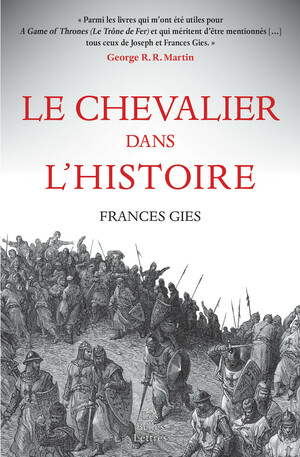
Né du chaos européen du début du Moyen Âge, le chevalier monté et en armure a révolutionné la guerre et est très vite devenu une figure mythique dans l’histoire. Des conquérants normands de l’Angleterre aux croisés de la Terre sainte, du héros de la chanson de geste au preux du roman arthurien, des amateurs de tournoi aux chevaliers-troubadours, Le Chevalier dans l’Histoire, de la grande médiéviste Frances Gies, brosse un tableau remarquablement vivant et complet de la chevalerie, de sa naissance à son déclin. Le chevalier apparaît d’abord en Europe comme un mercenaire sans foi ni loi avant de devenir l’étendard de la chrétienté puis un soldat de métier au service des rois. Frances Gies nous fait partager sa vie quotidienne, faite de joutes et de batailles, de pillages et de rançons, mais aussi de dévotion et de pèlerinage, et souvent sanctionnée par l’errance et une mort précoce.
Elle nous fait revivre l’aventure des héros du Moyen Âge qui ont joué un rôle historique, comme Bertrand du Guesclin, Bayard et Sir John Fastolf, qui inspira le Falstaff de Shakespeare, ou les grands maîtres des Ordres militaires qu’étaient les Templiers, les Hospitaliers et les chevaliers teutoniques.
Écrivaine et historienne, Frances Gies (1915-2013) a écrit, en grande partie avec son mari Joseph Gies (1916-2006) plus de vingt ouvrages sur le Moyen Âge, dont beaucoup ont été des best-sellers.
Table des matières :
1. Qu’est-ce qu’un chevalier ? 2. Les premiers chevaliers 3. Les chevaliers de la première croisade 4. Les troubadours et la littérature de chevalerie 5. Guillaume le Maréchal : la chevalerie à son zénith 6. Les chevaliers templiers : soldats, diplomates, banquiers 7. Bertrand du Guesclin : un chevalier du quatorzième siècle 8. Les chevaliers anglais du quinzième siècle : Sir John Fastolf et les Paston 9. Le long crépuscule de la chevalerie
Notes Bibliographie Index Table des illustrations Cartes Remerciements
Informations pratiques :
Frances Gies, Le Chevalier dans l’Histoire, Paris, Les Belles Lettres, 2021. 328 p., 20 x 13 cm. ISBN : 9782251451930. Prix : 15,90 euros.
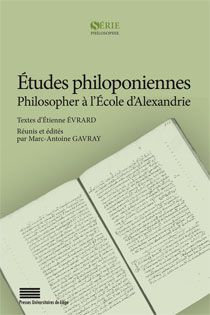
De Jean Philopon, nous savons peu de choses, mais ses œuvres volumineuses soulèvent de nombreuses questions. De quelle nature furent sa vie, ses convictions et sa place dans l’École d’Alexandrie ? Comment composa-t-il ses commentaires et ses traités polémiques ? Dans quel ordre ? Autant de problèmes dans lesquels Étienne Évrard s’est aventuré durant les cinquante années qui séparent les six études rassemblées dans ce volume.
Son enquête autour de Philopon montre combien cette figure, en apparence mineure, a joué un rôle central dans la transmission des philosophies antiques, tout comme dans le passage de l’hellénisme au christianisme. Partant de la création du monde et de la nature du ciel, Évrard examine la chronologie et la méthode de Philopon, en passant par une analyse minutieuse de son usage de la double exégétèse (L’École d’Olympiodore et la composition du Commentaire à la Physique de Jean Philopon, 1957, inédit). Il propose ensuite ce qui aurait dû être la toute première reconstitution du traité perdu Sur l’éternité du monde, contre Aristote, et qui demeure la première traduction française des deux premiers livres (1961, inédite). Il interroge les procédés de composition de Philopon, ses modes d’argumentation et de réfutation. Mais il ouvre également des pistes sérieuses pour comprendre l’emploi de la citation chez Simplicius, l’adversaire de Philopon et son principal témoin. Il fournit ainsi les clefs pour entrer dans un débat qui met aux prises deux monuments du néoplatonisme tardif, l’un chrétien l’autre païen.
Étienne Évrard (1921-2009) a été professeur de latin à l’université de Liège. Spécialiste de Philopon, il s’est pris de passion dès les années 1960 pour les humanités numériques naissantes. Son intérêt pour le néoplatonisme ne l’a pourtant jamais quitté, mais l’a accompagné durant toute sa carrière.
Marc-Antoine Gavray est chercheur au FRS-FNRS et enseigne l’histoire de la philosophie antique à l’université de Liège. Spécialiste de Simplicius, il s’est pris de passion pour les écrits d’Étienne Évrard à la faveur d’une inondation. Son intérêt pour les sophistes ne l’a pourtant jamais quitté.
Informations pratiques :
Études philoponiennes. Philosopher à l’École d’Alexandrie. Textes d’Étienne Évrard. Réunis et édités par Marc-Antoine Gavray, Liège, Presses universitaires de Liège, 2021. 436 p. ISBN : 978-2-87562-256-3.
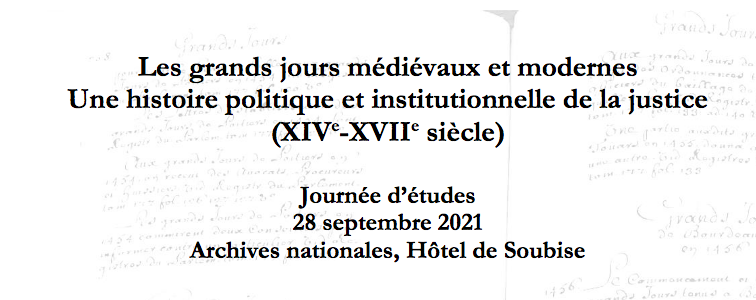
Le 30 janvier 1666 sont clos les derniers grands jours du parlement de Paris, qui se tenaient depuis le 25 septembre 1665 à Clermont, en Auvergne. Depuis leur institutionnalisation au milieu du XVe siècle, une vingtaine de sessions – dont les registres sont presque tous conservés aux Archives nationales – avaient été tenues dans plusieurs villes du royaume, pour la plupart au XVIe siècle.
La fin de cette dernière session, la plus célèbre, marque en même temps le début de l’écriture de l’histoire des grands jours. C’est en cette même année 1666 que Nicolas Dongois, futur greffier en chef au parlement de Paris, propose la première des trois synthèses qui existent à ce jour sur l’institution[1]. La seconde, très approximative, est élaborée par Gustave Trotry au début du XXe siècle[2] – quand la dernière consiste en un très bref article de Jean-Marie Augustin, qui brosse à grands traits l’histoire d’une « cour supérieure foraine sous l’Ancien Régime[3] ». Aucun de ces travaux ne permet de saisir cette juridiction singulière dans l’ampleur de son histoire, entre Moyen Âge et Modernité, et dans la richesse de sa signification politique.
Entre les travaux de Dongois et ceux de Jean-Marie Augustin, un grand nombre d’études d’histoire ou d’histoire du droit ont abordé les grands jours, sans s’y consacrer exclusivement mais en adoptant un angle spécifique – une session en particulier, un acteur contemporain d’une session, une ville ayant accueilli les grands jours à une ou plusieurs reprises ou une thématique transversale sur la longue durée. Ce foisonnement révèle les multiples aspects que peut éclairer l’étude de cette juridiction sur le long terme. Il montre surtout que rouvrir le dossier des grands jours nécessite une enquête collective et un dialogue scientifique. Entre historiens et historiens du droit, mais aussi entre les spécialistes d’histoire urbaine, ceux des pratiques de gouvernement royales comme princières, et bien sûr les historiens du parlement de Paris. Cette journée d’études consacrée aux grands jours sous l’angle d’une histoire politique et institutionnelle de la justice, consistera à mettre en œuvre un tel dialogue, à travers trois grands axes de réflexion collective.
Le premier est celui du rapport de synonymie, nécessairement signifiant, qu’entretiennent les grands jours du Parlement avec les cours d’appel d’autres seigneurs et princes, qu’ils soient apanagés ou non, et ce tout au long de l’histoire de l’institution. Un deuxième axe consiste à envisager l’ensemble des acteurs qui sont mis en relation par la tenue même des grands jours : le gouvernement royal, les gens du Parlement, mais aussi l’ensemble des auxiliaires et intermédiaires de justice et, bien sûr, les justiciables. Un dernier angle est celui de l’inscription des sessions dans un contexte particulier. De ce point de vue, plusieurs traits et problématiques communs traversent l’histoire du Parlement et de la royauté du XIVe au XVIIe siècle : on peut songer, en amont ou en marge des sessions, aux grandes ordonnances pour la réforme de la justice, ou à l’idée persistante que les grands jours se tiennent après la paix, voire pour faire la paix. Il y a, enfin, la récupération des territoires qui donne lieu, à plusieurs reprises, à l’envoi d’une session en terrain fraîchement reconquis. Point de rupture, donc, entre les sessions médiévales et modernes, mais beaucoup de résonnances que la tenue de cette journée d’études doit permettre d’explorer.
[1] BnF, ms. Fr. 7031, f. 177 et suiv. Une copie est conservée aux Archives nationales sous la cote U 749.
[2] G. Trotry, Les Grands Jours des Parlements, Paris, 1908.
[3] J.-M. Augustin, « Les Grands Jours : une cour supérieure foraine sous l’Ancien Régime », Histoire de la justice, 21 : Territoires et lieux de justice, J. Poumarède coord., p. 41-47.
9h30 Introduction – Olivier Mattéoni (Université Paris 1 Panthéon-Sorbonne, LaMOP) et Élisabeth Schmit (Labex Hastec-Archives nationales, LaMOP)
9h45 Entre moments de normalisation judiciaire et outils de gouvernement municipal : les grands jours de Troyes au tournant du xve siècle (1381-1409) – Cléo Rager (LaMOP)
10h15 Un échiquier princier en terre normande : l’échiquier des Valois-Alençon (xive-xvie siècles) – Franck Mauger (Université de Caen-Normandie)
Pause
10h45 L’ubiquité de la justice souveraine : la réinvention des grands jours du Parlement au milieu du xve siècle – Élisabeth Schmit (Labex Hastec-Archives nationales, LaMOP)
11h15 Justice et politique. Les grands jours du parlement de Paris à Montferrand (1484) et à Moulins (1534) – Olivier Mattéoni (Université Paris 1 Panthéon-Sorbonne, École d’histoire de la Sorbonne-LaMOP)
11h45 Discussion
Présidence : Frédéric F. Martin (Université Paris-Est Créteil)
14h00 Organiser le suivi documentaire. Le personnel des greffes durant les grands jours à l’époque moderne –Aurélien Peter (Université Paris 1 Panthéon-Sorbonne, École d’histoire de la Sorbonne-IHMC)
14h30 Les grands jours de l’époque moderne à travers les ressources de la série U (Le Nain, Dongois, Gilbert) –Isabelle Brancourt (Université Paris II Panthéon-Assas, CEHJ)
15h00 Des grands jours d’Auvergne à l’ordonnance criminelle de 1670 – Joël Hautebert (Université d’Angers)
Pause
15h45 Les grands jours de Saint-Mihiel, instrument de la souveraineté ducale – Julien Lapointe (Université de Lorraine)
16h15 Discussion
16h45 Conclusion – Olivier Descamps (Université Paris II-Panthéon-Assas, CEHJ)
9h30 Introduction – Olivier Mattéoni (Université Paris 1 Panthéon-Sorbonne, LaMOP) et Élisabeth Schmit (Labex Hastec-Archives nationales, LaMOP)
9h45 Entre moments de normalisation judiciaire et outils de gouvernement municipal : les grands jours de Troyes au tournant du xve siècle (1381-1409) – Cléo Rager (LaMOP)
10h15 Un échiquier princier en terre normande : l’échiquier des Valois-Alençon (xive-xvie siècles) – Franck Mauger (Université de Caen-Normandie)
Pause
10h45 L’ubiquité de la justice souveraine : la réinvention des grands jours du Parlement au milieu du xve siècle – Élisabeth Schmit (Labex Hastec-Archives nationales, LaMOP)
11h15 Justice et politique. Les grands jours du parlement de Paris à Montferrand (1484) et à Moulins (1534) – Olivier Mattéoni (Université Paris 1 Panthéon-Sorbonne, École d’histoire de la Sorbonne-LaMOP)
11h45 Discussion
Présidence : Frédéric F. Martin (Université Paris-Est Créteil)
14h00 Organiser le suivi documentaire. Le personnel des greffes durant les grands jours à l’époque moderne –Aurélien Peter (Université Paris 1 Panthéon-Sorbonne, École d’histoire de la Sorbonne-IHMC)
14h30 Les grands jours de l’époque moderne à travers les ressources de la série U (Le Nain, Dongois, Gilbert) –Isabelle Brancourt (Université Paris II Panthéon-Assas, CEHJ)
15h00 Des grands jours d’Auvergne à l’ordonnance criminelle de 1670 – Joël Hautebert (Université d’Angers)
Pause
15h45 Les grands jours de Saint-Mihiel, instrument de la souveraineté ducale – Julien Lapointe (Université de Lorraine)
16h15 Discussion
16h45 Conclusion – Olivier Descamps (Université Paris II-Panthéon-Assas, CEHJ)
Informations pratiques :
28 septembre 2021 Archives nationales
Olivier Mattéoni, Professeur d’histoire du Moyen Âge, École d’histoire de la Sorbonne/LaMOP, Université Paris 1 Panthéon-Sorbonne
Élisabeth Schmit, Post-doc du Labex Hastec, Archives nationales, LaMOP, Université Paris 1 Panthéon-Sorbonne
Olivier Descamps, Professeur d’histoire du droit, Institut d’histoire du droit, Université Paris II Panthéon-Assas, Directeur du Centre d’Études d’Histoire Juridique
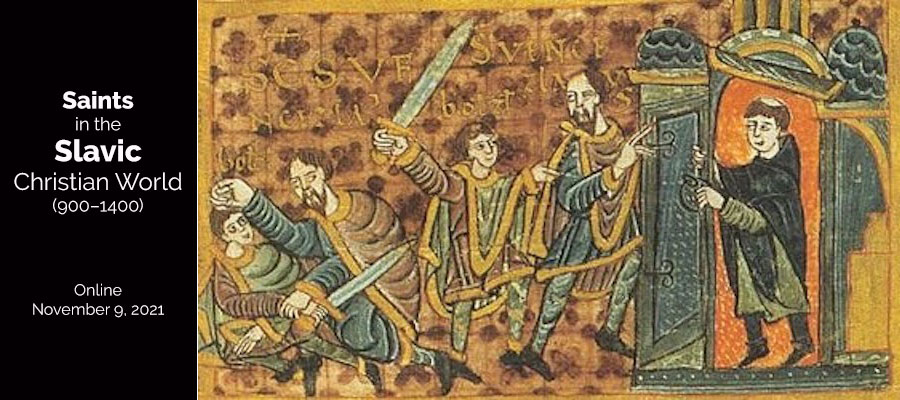
Saints in the Slavic Christian World (900–1400): Assessing Culture, Power, Religion and Language in Slavic Hagiographies and Religion Literature, Online, November 9, 2021
Prof. dr. Dieter Stern, University of Ghent: ”Founder saints and the consolidation of Christianity among the Slavs”
Research fellow, Emil Hilton Saggau, Lund University: ”Killing the Tsar again – power, revenge and warriors in early Slavic hagiographies”
The various Slavic realms of the early medieval period converted to Christianity in different pace and modes. This religious turn was also one that encompassed cultural and social change, which is mostly visible in the broad ranges of Slavic hagiographies and religious literature airings after 900. The formation of Slavic saints provide in-roads into the Slavic societies and their cultivation and localization of Christian culture and religion. The early Christian Slavic literature calls for further examination and assessment to shed further light on the shaping of culture, power, religion and language, which we hope this seminar will provide room for.
In this seminar, a range of scholars are invited to present and discuss this particular Slavic sense of Christianity in order to bring together different perspectives and methods on the topic. The session invites speakers to focus on the brokering and shaping of Slavic Christian culture, power, religion and language, as its comes to the surface in these types of sources.
Papers focusing on conversion, power and hagiographies are in particular welcomed, as well as papers that discuss the development of Slavic saints and hagiographies in relations to Byzantium, Scandinavia or Western Europe.
Please send a title, abstract (200 word) and short bio to emil.saggau@ctr.lu.se before 30th September 2021.
Jointly hosted by Lund University, Ghent University, and the Balkan History Association.
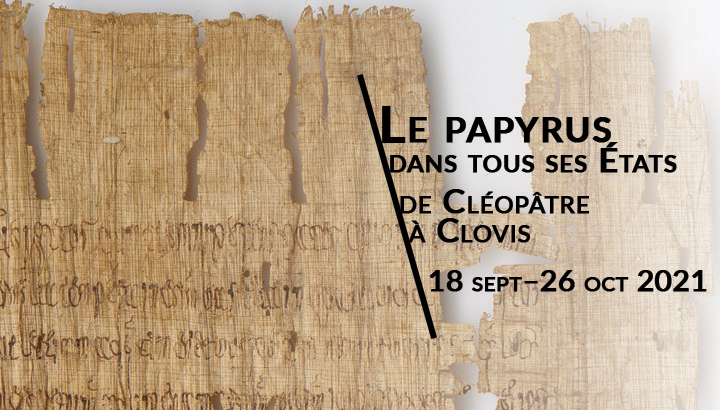
L’exposition « Le papyrus dans tous ses États, de Cléopâtre à Clovis » se tiendra au Collège de France à compter du 18 septembre 2021, à l’occasion des Journées du patrimoine, et se poursuivra jusqu’au 26 octobre.
Gratuite et destinée à tous les publics, elle rassemblera dans le grand foyer du Collège de France une soixantaine de pièces datant de l’Égypte antique jusqu’au début du Moyen Âge, présentant l’histoire de ce qui pendant plusieurs millénaires constitua dans tout le pourtour méditerranéen le support essentiel de l’écriture.
L’exposition, sans oublier l’Égypte et l’Orient, a en effet choisi de mettre en avant les utilisations moins connues du papyrus en Europe : outre un papyrus d’Herculanum ayant survécu à l’éruption du Vésuve ou une décision de l’empereur romain Théodose II, on aura la chance d’y voir exposées des pièces maîtresses illustrant l’utilisation du papyrus en France, tels des actes de Dagobert ou de Clovis II.
C’est la première fois que l’histoire du papyrus sera ainsi retracée dans toute son extension chronologique, de l’Égypte pharaonique au Moyen Âge, et géographique, de l’Égypte à Byzance et Rome, de la Bretagne à l’Afghanistan, grâce à la réunion de pièces peu connues du public provenant de collections publiques et privées. Des visites guidées et des conférences rythmeront également les six semaines de l’exposition, qui sera accompagnée d’un catalogue de 200 pages richement illustré et rédigé par les plus éminents spécialistes.
Mardi 21 septembre, 17h-18h : Jean-Luc Fournet (Collège de France), « Les papyrus, une fenêtre ouverte sur l’Antiquité »
Mardi 28 septembre, 17h-18h : Valérie Schram (CNRS), « Sur le Nil s’élève une forêt sans branches… Des verts marais à la feuille blanche : le papyrus dans tous ses états »
Mardi 5 octobre, 17h-18h : Daniel Delattre (CNRS), « À la découverte de la Villa des Pisons et de la mystérieuse bibliothèque carbonisée d’Herculanum : Les Papyrus d’Herculanum de Paris »
Mardi 12 octobre, 17h-18h : Laurent Morelle (EPHE), « Une royauté par éclats et lambeaux : les papyrus mérovingiens des Archives nationales »
Mardi 26 octobre, 17h-18h : Julien Auber de Lapierre (Collège de France), « La collection de papyrus grecs et coptes de la Bibliothèque nationale de France : deux siècles d’histoire »
Conformément aux consignes gouvernementales, la présentation du passe sanitaire est indispensable pour assister aux enseignements, aux événements et aux visites pour toutes les personnes de 18 ans et plus. Cette obligation s’étendra à toutes les personnes de 12 ans et plus à partir du 30 septembre 2021. Le port du masque est obligatoire à partir de 11 ans.
In medieval Italy the practice of revenge as criminal justice was still popular amongst members of all social classes, yet crime also was increasingly perceived as a public matter that needed to be dealt with by the government rather than private citizens. Confession and Criminal Justice in Late Medieval Italy sheds light on this contradiction through an in-depth comparison of lay and religious sources produced in Siena between 1260 and 1330 on criminal justice, conflict, and violence.
Confession and Criminal Justice in Late Medieval Italy: argues that religious people were an effective pressure group with regards to criminal justice, thanks both to the literary works they produced and their direct intervention in political affairs, and that their contributions have not received the attention they deserve. It shows that the dichotomy between theories and practices of ‘private’ and of ‘public’ justice should be substituted by a framework in which three models, or discourses, of criminal justice are recognised as present in medieval Italian communes, with the addition of a specifically religious discourse based on penitential spirituality. Although the models of criminal justice were competing, they also influenced each other.
Table des matières :
Introduction 1:Competing Models for Approaching Violence and Conflict and their Points of Contact 2:Emotions, Virtues and Vices in the Sienese Reflection on Violence and its Remedies 3:Models of Emotionality in Action in Religious and Lay Sources on Criminal Justice 4:Defining the Complex Relationship between Mercy, Justice and Revenge 5:Communal Legislation and the Pursuit of Divine Justice 6:The Development of Criminal Justice in Siena and the Influence of Religious Ideas Conclusion
Informations pratiques :
Lidia Luisa Zanetti Domingues, Confession and Criminal Justice in Late Medieval Italy. Siena, 1260-1330, Oxford, Oxford University Press, 2021 (Oxford Historical Monographs). 256 p., 21,5 x 14 cm. ISBN: 9780192844866. Prix : 65 GBP.
Avec le soutien du FNRS, du CRHiDI (UCLouvain – Saint-Louis, Bruxelles), d'INCAL (UCLouvain), de PraME (UNamur), de sociAMM (ULB) et de Transitions (ULiège)









Vous devez être connecté pour poster un commentaire.