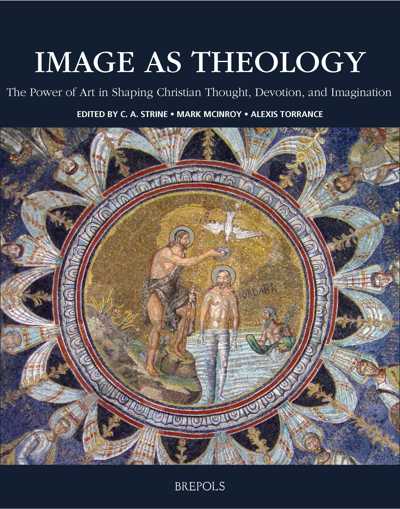
Publication – « Image as Theology. The Power of Art in Shaping Christian Thought, Devotion, and Imagination », dir. Strine Casey, Mark Mclnroy, Alexis Torrance

Our lives are saturated with images. They exert an unparalleled power in contemporary culture. However, the power of images is in fact nothing new. Although texts are often the most important historical sources for academics, the image played an enormous role for those who actually lived in these past societies. Images communicated all manner of concepts and messages to a much wider audience than theological texts. Throughout history, images frequently depicted God, human beings, and their relationship in a manner that was meant to teach theology and inspire awe. Historically speaking, most people who have done theological reflection have done so in intimate conversation with the images seen in sacred spaces.

This volume explores how images themselves are theology, how they influence sacred texts and theological concepts in a way that words cannot on their own. In part one, the book presents five essays investigating the ways in which images have shaped sacred and theological texts. In part two, the book offers five discussions of the sort of theological work that images can perform that words are unable to do. The volume concludes by outlining areas for future research and exploration based on the insights achieved among the chapters. The collection is, in its totality, a celebration of how central the image has been in shaping theology and how it should continue to do so.
Dr C. A. Strine is Lecturer in Ancient Near Eastern History and Literature at the Univerity of Sheffield. He is the author of the award-winning monograph Sworn Enemies and Director of the Back Where You Came From project, reading biblical stories about migration and making art with sanctuary seekers.

Mark McInroy is Associate Professor of Theology at the University of St. Thomas (Minnesota). He is the author of Balthasar on the Spiritual Senses: Perceiving Splendour (OUP, 2014), for which he received a Manfred Lautenschlaeger Award for Theological Promise in 2015.

Alexis Torrance is Archbishop Demetrios College Chair of Byzantine Theology. He is the author of Repentance in Late Antiquity: Eastern Asceticism and the Framing of the Christian Life, ca. 400–650, for which he received a Manfred Lautenschläger Award for Theological Promise in 2015.

Table des matières :

Foreword — Thomas Pfau

Introduction: The Place of the Image — C. A. Strine, Mark McInroy, and Alexis Torrance

‘Mischmetaphors’: (Re-)Presenting God in Unusual and Sophisticated Ways — Brent A. Strawn

Mary’s Image as Theology — Jane Heath

Early Christian Visual Theology: Iconography of the Trinity and Christ — Robin M. Jensen

Persons or Principles? The Meaning of the Byzantine Icon Revisited — Alexis Torrance

The Catalytic Image: Migration, Image, and Exegetical Imagination in the Jacob Narrative (Genesis 25–33) — C. A. Strine

Image as Theology in Dante’s Commedia: Praying for Each Other’s Good — Vittorio Montemaggi

Beholding the Radiant Invisible: The Incarnate Image in Maurice Merleau-Ponty, Hans Urs von Balthasar, and Jean-Luc Marion — Mark McInroy

Brought into the Fold — Ben Quash

The End of Images: Towards a Phenomenology of Eschatological Expectation — Judith Wolfe

Conclusion: Whither the Image? — C. A. Strine, Mark McInroy, and Alexis Torrance

Bibliography

Index of Subjects

Index of Authors

Index of Biblical Texts

Informations pratiques :

Image as Theology. The Power of Art in Shaping Christian Thought, Devotion, and Imagination, éd. Strine Casey, Mark Mclnroy, Alexis Torrance, Turnhout, Brepols, 2022 ; 1 vol., 244 p. (Arts and the Sacred, 6). ISBN : 978-2-503-58121-7. Prix : € 110,00.

Source : Brepols
Publié dans Publications | Laisser un commentaire

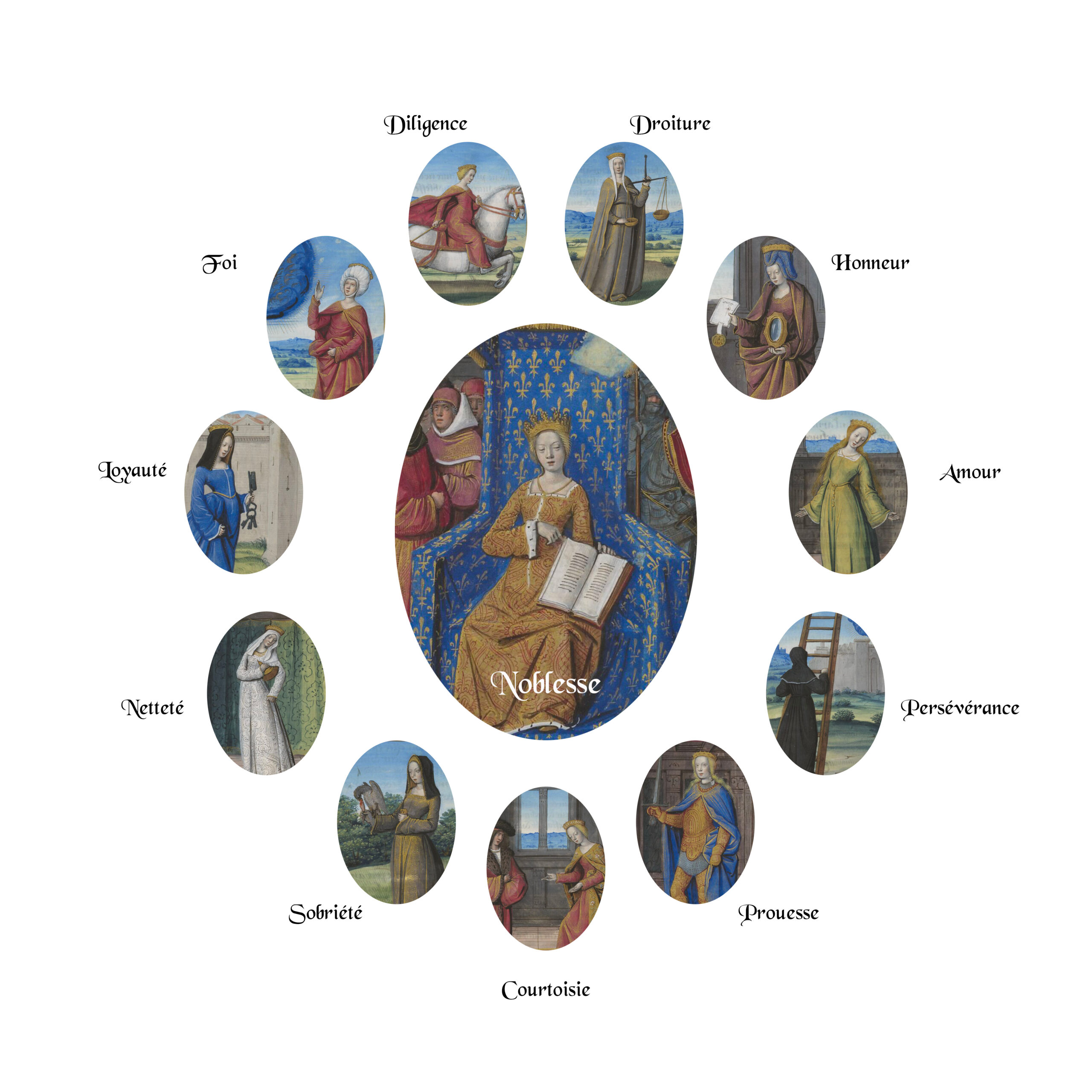
Colloque – Le sang et la vertu.Noblesse de sang et noblesses d’âme au Moyen Âge. XIe conférence d’Arenberg pour l’Histoire


CESCM (UMR 7302), CRM (UMR 8596) et IRHiS (UMR 8529)


 Lieu :

* les 12-13 oct. en salle Crozet du CESCM, 24 rue de la Chaîne, POITIERS

* le 14 oct. en salle des actes de l’UFR-SHA, 8 rue René Descartes, POITIERS

Le colloque pourra être suivi en distanciel à une adresse indiquée ultérieurement.

Programme :

Jeudi 12 octobre 2023

9h – Introduction

  • Cécile VOYER (Directrice du CESCM) : Mot de bienvenue
  • Isabelle VANDEN HOVE (Directrice de la Fondation d’Arenberg) : Présentation de la Fondation d’Arenberg et de ses activités
  • Martin AURELL (Université de Poitiers) : Introduction
  • Clément de VASSELOT (Université de Lille) : Le débat sur la noblesse au Moyen Âge. Bilan historiographique et nouveaux problèmes

10h20 – Pause

Axe 1 : La noblesse d’âme des nobles de sang

10h30 – Session 1 : Virtus antique, sanctitas chrétienne et nobilitas dans le monde mérovingien

Président de session : Martin AURELL

  • Martin ROCH (Université de Genève) : Vices des nobles et ruine des cités selon Salvien de Marseille
  • Michel FAUQUIER (Université de Poitiers, IRCOM, ICES) : De qui les saints sont-ils les fils ? filiation terrestre et filiation céleste chez les saints gaulois des IVe-VIe siècles
  • Bruno DUMÉZIL (Sorbonne Université) : Nobilis nobilior : de l’art d’ennoblir sa famille dans le monde franc (VIe-VIIe s.)
  • Discussion.

14h30 – Session 2 : Noblesse de sang et noblesse d’âme en débats. Président de session : Bruno DUMÉZIL

  • Guido CASTELNUOVO (Université d’Avignon) : L’idée de noblesse chez Dante
  • Nicolas MICHEL (Université de Namur) : La nobilitas dans quelques grands florilèges médiévaux (XIIIe-XVe siècles) : représentation et influence

15h30 – Pause

  • Louis de VASSELOT (Institut Albert-le-Grand) : Comment le noble de sang peut-il devenir noble de cœur ? l’opinion des Renartistes
  • Discussion

Vendredi 13 octobre 2023

Axe 2 : La noblesse d’âme comme critère de noblesse

9h30 – Session 1 : Pouvoir princier, éthique et noblesse.

Président de session : Guido CASTELNUOVO

  • Tomasz PELECH (University of Warsaw) : Miecław (Masław) et Sieciech, deux cas de représentation de la noblesse dans les Cronica et gesta ducum sive principum Polonorum de Gallus Anonymus
  • Vincent MARTIN (Université de Rouen) : Réflexions sur l’éthique et le « droit de guerre » des « gentius hommes » autour du XIIIe siècle

10H30 – Pause

  • Rodolphe BILLAUD (ICES) : Les Montfort (Simon VI) en tant qu’exemple de noblesse et vertu
  • David BRÉGAINT (Norvegian University of Science and Technology) : Du sang à la Vertu. La genèse d’une nouvelle aristocratie dans la Norvège du XIIIe siècle
  • Discussion

14h – Session 2 : Anoblissement et vertu.

Président de session : Xavier HÉLARY

  • Catalina GIRBEA (Université de Bucarest) : De la roture à la chevalerie dans les romans des XIIe-XIIIe siècle
  • Sarah CASANO–SKAGHAMMAR (Université de Poitiers) : “Plus nobles par ses actes que de naissance” : La noblesse d’âme et le service royal au XIIIe siècle
  • Discussion.

15h45 – Pause

16h – Session 3 : Noblesse et chevalerie.

Président de session : Xavier HÉLARY

  • Josep E. RUBIO et Maria SAIZ (Universitat de València) : Noblesse et vertu chez Raymond Lulle
  • Julia ROUMIER (Université Bordeaux Montaigne) : Magnificience et libertitas : preuves d enoblesse et qualités chevaleresques dans deux chroniques castillanes du XVe siècle

Samedi 14 octobre 2023

Axe 3 : La noblesse d’âme comme fait social

9h30 – Session 1 : Exemples et antithèses du noble d’âme

Président de session : Vincent MARTIN

  • Guy PERRY (University of Oxford) : Advertising virtue and minimizing vice: the case of the house of Brienne, c. 950-1356
  • Sellami JOUDA (Université de La Manouba) : Saladin ou la synthèse de la noblesse de sang et de la vertu dans les sources littéraires françaises et arabes

10h30 – Pause

  • Lydwine SCORDIA (Université de Rouen) : Le sang et la vertu pour Louis XI, ‘l’universelle araigne’
  • Pierre BRUGNON (Université d’Avignon et de Pays de Vaucluse) : Abattre le sang, la vertu et la noblesse d’âme. Jean de Compey, seigneur de Thorens, face à ses adversaires politiques (duché de Savoie, mi. XVe s.)
  • Discussion.

14h – Session 2 : Transmettre et justifier la prééminence sociale

Président de session : Lydwine Scordia

  • Émilie MARGAIX (Université de Poitiers) : La transmission des vertus des mères aux fils : valeurs du sang, éducations et confrontations dans les espaces plantagenêts et capétiens aux XIe et XIIe siècles
  • Claudia WITTIG (Martin-Luther-Universität Halle-Wittenberg) : Translatio virtutis ? Le rôle des femmes dans la transmission des vertus nobiliaires en France et dans l’Empire

15h – Pause

  • Julia ROUMIER (Université Bordeaux Montaigne) : Magnificence et liberalitas : preuves de noblesse et qualités chevaleresques dans deux chroniques castillanes du XVe siècle
  • Béatrice BEYS (Université de Montpellier) : Le devoir de Tempérance : la mesure d’une noblesse en quête d’exemplarité
  • Elise-Annunziata NEUILLY (Université catholique de l’Ouest) : Les Vertus funéraires comme justification du statut de la noblesse (Italie-France, XIIIe-XVIe siècles)
  • Discussion.

17h30 – Conclusions : Frédérique LACHAUD (Sorbonne Université)

Source : CESCM

Publié dans Colloque | Laisser un commentaire

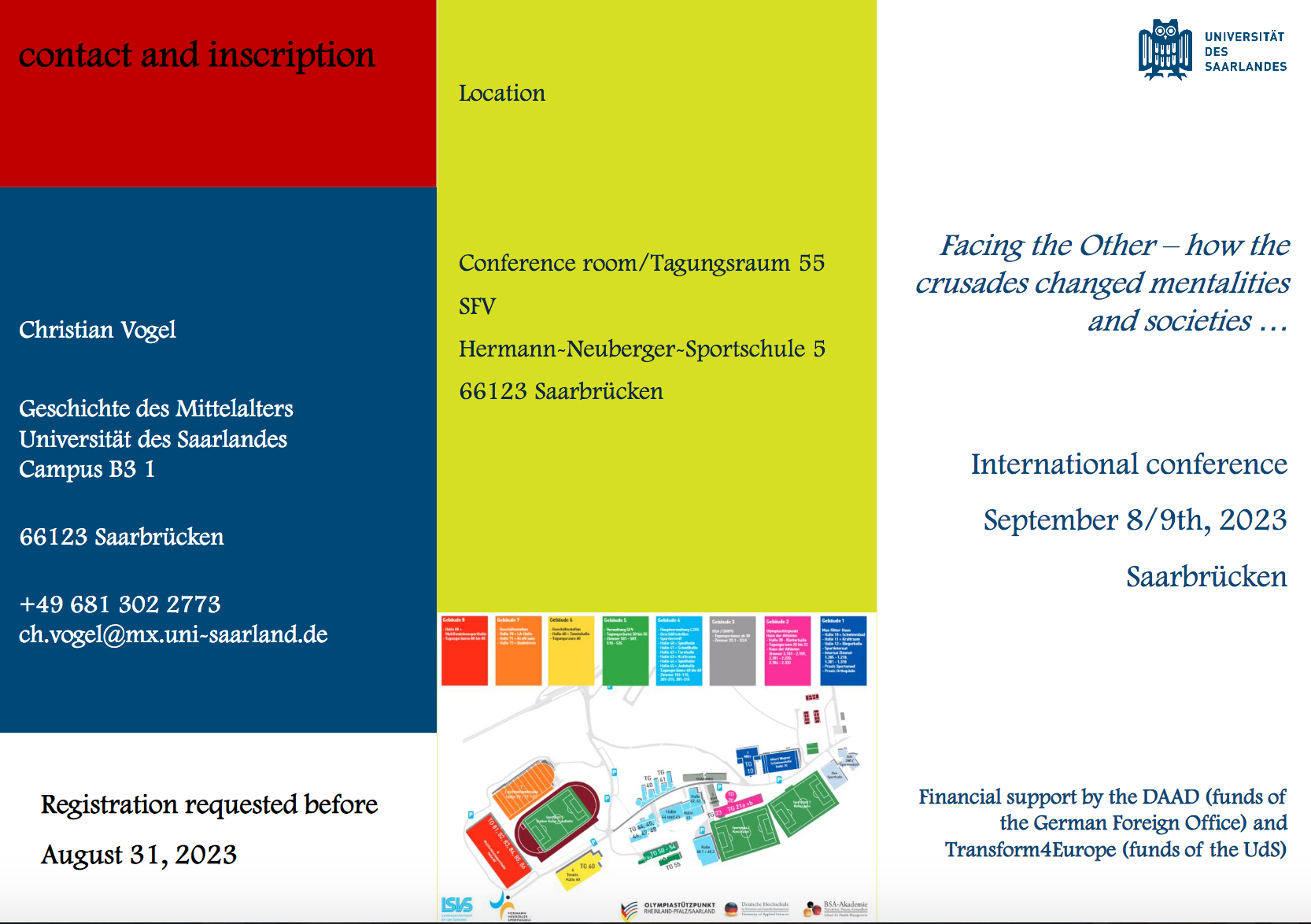
Colloque – Facing the Other: How Crusades changed societies and mentalities

Die Kreuzzüge sind nicht nur ein Ereignis, die Begegnung der Kreuzfahrer mit den Einheimischen hat auch die Sicht auf die jeweils anderen verändert. Schließlich hat sich die kreuzfahrende Gesellschaft auch selbst verändert. Die Vorträge werden diese Fragen aus verschiedenen Perspektiven beleuchten, aus der Sicht slawischer und griechischer Christen, tartarischer, türkischer und syrischer Muslime und aus dem Blickwinkel von Geschichtswissenschaft, Byzantinistik, Osmanistik und Slawistik.

Programme :

Friday, Sept 8, 2023

14.00h
Opening

14.30–16.00h
Session 1

Christian Vogel (Saarbrücken): From Crusade to Mission / Introduction

Yavor Mitov (Sofia): Lead seals of Byzantine dignitaries of Western origin from the era of the first crusades found in Bulgaria

16.30–18.00h
Session 2

Elias Harth (Saarbrücken): The Crusades with the Tartars

James Wilson (Konstanz): Disentangling medieval Arabic historiography from the “counter-Crusade” framework

Saturday, Sept 9, 2023

09.30–11.00h
Session 3

Angel Nikolov (Sofia): The Fourth Crusade and the Union of the Bulgarian Church with Rome

Roland Marti (Saarbrücken): The Great Schism in orthodox Slavonic literature after the sack of Constantinople

11.30–13.00h
Session 4

Alexander Nikolov (Sofia): The Eastern Christians in the crusaders writings from the end of the 13th and the beginning of the 14th centuries

Linda Eichenberger (Zürich): Layers of Knowledge, Layers of Space. The Acre Maps of Matthew Paris

14.30–16.00h
Session 5

Nikola Dyulgerov (Sofia): Political and social changes in the southern Greece after the Fourth Crusade

Sevket Kücükhüseyin (Bamberg): Asia minor and the crusades

16.30–18.00h
Session 6

Ivayla Popova (Sofia): The unsuccessful crusade at Varna 1444 and the Balkan societies

Sebastian Kolditz (Heidelberg): Byzantium and the crusades after 1204

18.30h
Final Discussion

Informations pratiques :

Saarbrücken
08.09.2023 – 09.09.2023

PD Dr. Dr. Christian Vogel
Geschichte des Mittelalters
Universität des Saarlandes
Campus B3 1
66123 Saarbrücken
Tel.: +49 681 302 2773
E-Mail: ch.vogel@mx.uni-saarland.de

Source : H-Soz-Kult

Publié dans Colloque | Laisser un commentaire

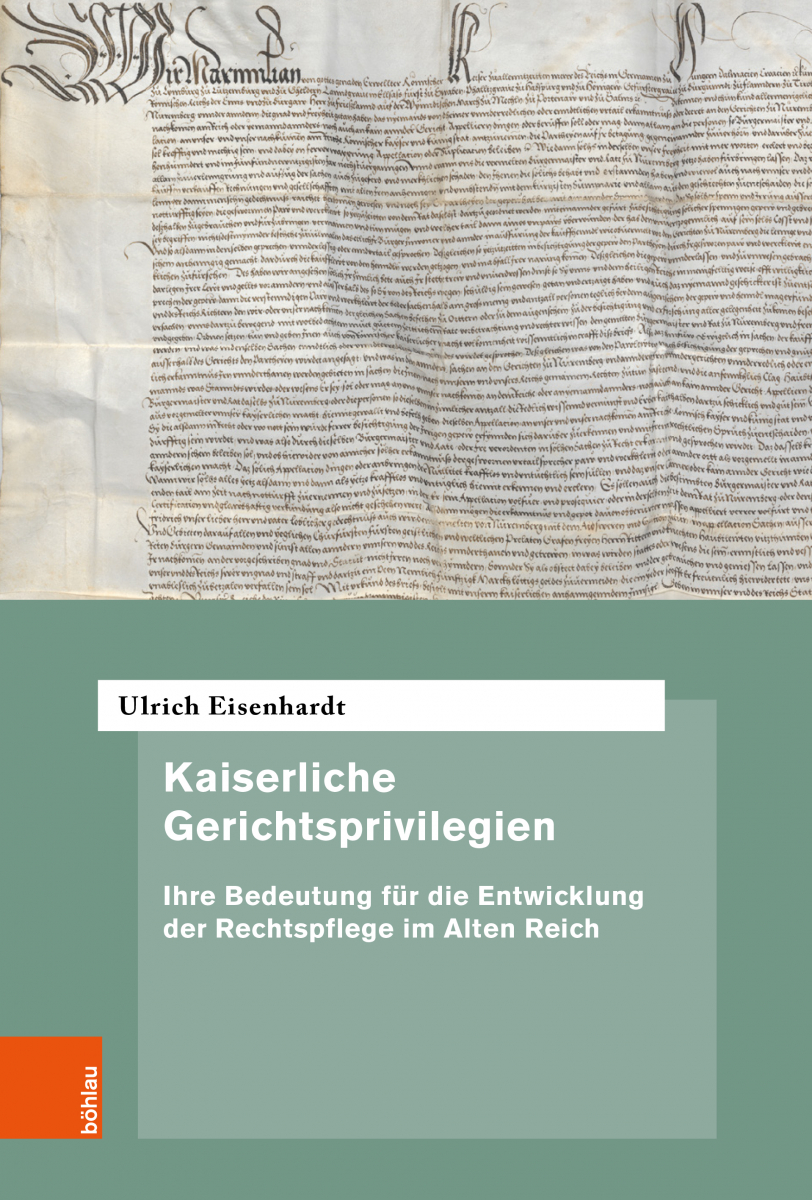
Publication – Ulrich Eisenhardt, « Kaiserliche Gerichtsprivilegien. Ihre Bedeutung für die Entwicklung der Rechtspflege im Alten Reich »

Ulrich Eisenhardt wertet die Quellen zur Rechtsprechung der obersten Gerichte im Alten Reich zu den Gerichtsprivilegien aus und gelangt dabei zu dem Ergebnis, dass die Gerichtsverfassung des Reiches seit dem Mittelalter von den Gerichtsprivilegien, die der König bzw. Kaiser verlieh, geprägt war, ohne dass es eine nennenswerte Gesetzgebung gegeben hätte. Mit Hilfe der Gerichtsprivilegien versuchte man, Gerichtszuständigkeiten für die Rechtsuchenden in Regeln zu fassen, die den Zugang zu den erstinstanzlichen Gerichten und später auch die Appellationsmöglichkeiten bestimmten. Auch die Abgrenzung zwischen weltlicher und geistlicher Gerichtsbarkeit spielte dabei eine bedeutende Rolle. Erst in einem sich in der neueren Zeit verstärkenden Prozess verdrängten Gesetze die Privilegien, nachdem lange Zeit ein Nebeneinander von gesetzlichen Bestimmungen und Privilegien als Rechtsquellen bei gleichem Regelungsinhalt geherrscht hatte. Nicht zu unterschätzen ist der Beitrag, den die Gerichtsprivilegien zur Territorialisierung des Gerichtswesens und damit zur Ausbildung föderalistischer Strukturen geleistet haben.

Informations pratiques :

Ulrich Eisenhardt, Kaiserliche Gerichtsprivilegien Ihre Bedeutung für die Entwicklung der Rechtspflege im Alten Reich, Göttingen, Vandenhoeck und Ruprecht, 2023 ; 1 vol., 442 p. (Quellen und Forschungen zur höchsten Gerichtsbarkeit im Alten Reich, 78). ISBN : 978-3-412-52857-7. Prix : € 70,00.

Source : Vandenhoeck und Ruprecht

Publié dans Publications | Laisser un commentaire

Podcast – L’histoire au bout du pinceau

Accès : ici

Le vocable « Moyen Âge » a été inventé à la Renaissance pour désigner un âge supposé sombre, coincé entre deux périodes brillantes. Aujourd’hui, le regard sur le Moyen Âge est plus contrasté mais les stéréotypes sont tenaces. Dans la bande dessinée, cette période a régulièrement été instrumentalisée à des fins de politisation des jeunes lecteurs un peu partout en Europe.

Laurent Huguenin-Elie s’est rendu à la dernière édition des rendez-vous de l’Histoire à Blois pour rencontrer Tristan Martine, maître de conférences en histoire médiévale et spécialiste de la bande dessinée.

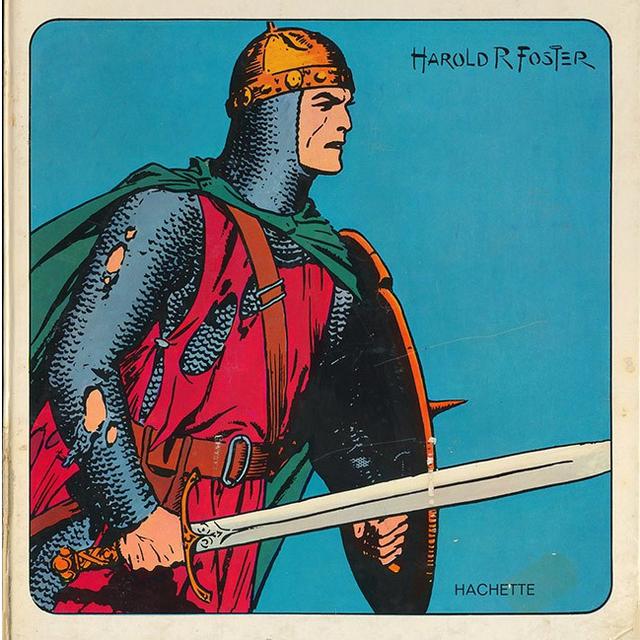
Illustration: couverture de l’album « Le complot diabolique » (1974), un épisode de la série « Prince Vaillant » par Harold R Foster (éd. Hachette). « Prince Valiant in the Days of King Arthur » est une bande dessinée américaine créée en 1937. Bien que ces aventures soit manifestement censées se dérouler durant le Bas-Empire romain, Foster y a incorporé des éléments anachroniques: des drakkars vikings, des musulmans, des alchimistes et des avancées technologiques datant de la Renaissance. (© Foster/Hachette)

Source : RTS

Publié dans Podcast | Laisser un commentaire

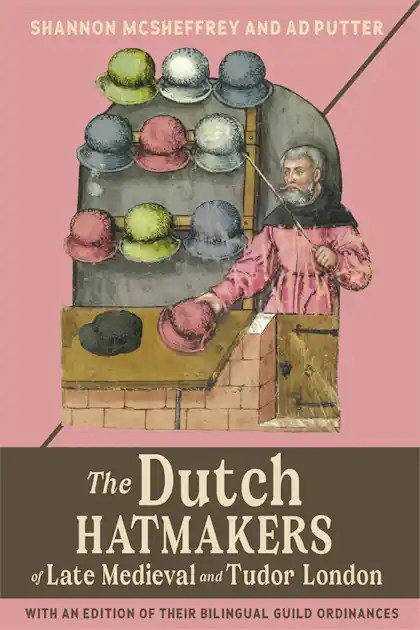
Publication – Shannon McSheffrey et Ad Putter, « The Dutch Hatmakers of Late Medieval and Tudor London. With an edition of their bilingual Guild Ordinances »

At the end of the Middle Ages, a group of hatmakers from the Low Countries migrated across the North Sea to London. These men brought with them new skills and technologies, unknown to English artisans, becoming the first to manufacture brimmed felts hats in England. However, though their wares were immediately popular with English consumers, from courtiers to ordinary people, they faced an economic environment in London that restricted and sometimes completely disallowed the production and retail of their goods. In the early years of the sixteenth century, the hatmakers’ desire to remain independent from regulation and governance by London civic guilds led to their formation of a craft association of their own. The Hatmakers’ fraternity of St James operated for about a decade, until in 1511 the royal council mandated their amalgamation with and subordination to the powerful London Haberdashers’ Company. In their short period of independence, the Hatmakers’ guild wrote bilingual ordinances, in English and Dutch, regulating the craft of hatmaking in London. The small parchment booklet in which they wrote the ordinances, now housed in the London Guildhall Library, contains more than a simple list of craft rules: it reveals how these Dutch craftsmen negotiated their immigrant lives in both the specifics of their artisanal practice and the broader social and linguistic realities of their daily interactions.

Shannon McSheffrey is Professor of History at Concordia University in Montreal, Canada. She has written five books and numerous articles and chapters on aspects of English society, culture, and politics between 1400 and 1550. She is currently at work on the Evil May Day anti-immigrant riot in London in 1517.

Ad Putter is Professor of Medieval English at the University of Bristol, UK, co-director of Bristol’s Centre for Medieval Studies, and Fellow of the British Academy. He is the author and editor of numerous books, with a particular interest in Medieval Romance texts and the works of the Gawain poet. He is currently leading a research project on the literary heritage of Anglo-Dutch relations.

Table des matières :

Preface

Part I: Study
1. Citizen Guilds, Stranger Artisans, and the Hat Trade in London, circa 1500
2. The Formation of the Hatmaker’s Fraternity
3. The Hatmakers and the 1511 Agreement
4. The Manuscript
5. The Linguistic Interest of the Bilingual Ordinances

Conclusion

Part II: Texts
Editorial Conventions
The Bilingual Ordinances of the Hatmakers
The Agreement with the Haberdashers
The Oath of the Wardens of the Haberdashers

Bibliography
Index

Informations pratiques :

Shannon McSheffrey et Ad Putter, The Dutch Hatmakers of Late Medieval and Tudor London. With an edition of their bilingual Guild Ordinances, Woodbridge, The Boydell Press, 2023 ; 1 vol., 176 p. (Medieval and Renaissance Clothing and Textiles, 6). ISBN : 9781837650804. Prix GBP : 19,99.

Source : Boydell and Brewer

Publié dans Publications | Laisser un commentaire

Offre d’emploi – Cornelia Starks Curator of Greek Collections (Bodleian Libraries)

Cornelia Starks Curator of Greek Collections
Weston Library, Broad Street, Oxford OX1 3BG

The Bodleian Libraries seek a curator to take responsibility for the care of its Greek collections, both the ancient papyri and the Byzantine and post-Byzantine manuscripts.


You will catalogue Greek manuscripts and papyri; respond to enquiries; teach Greek palaeography and support other classes; undertake research on the collections; assist with displays and public engagement; collaborate with digitization and other projects; and participate in all aspects of the administration of the collections.

You will have qualifications and wide-ranging expertise in the field of Greek manuscripts, and experience of cataloguing them; an aptitude for teaching and for communicating about the collections with a broad range of people; and the ability and willingness to align personal goals with the aims and priorities of the Library.

This is a permanent full-time post, working 37.5 hours per week, based at the Weston Library, the home of the Bodleian’s special collections.

University employees enjoy 38 days’ paid holiday (including bank holidays), generous pension schemes, access to travel and childcare schemes, discounted access to sporting facilities, and a variety of professional development opportunities.

Our staff and students come from all over the world, and we proudly promote a friendly and inclusive culture. Diversity is positively encouraged through diverse groups and champions, as well as a number of family-friendly policies, such as the right to apply for flexible working and support for staff returning from periods of extended absence, for example shared parental leave.

You will be required to upload your CV and a supporting statement as part of your online application. Your supporting statement should list each of the essential and desirable selection criteria, as listed in the job description, and explain how you meet each one.

The Chair of this recruitment panel will be Dr Martin Kauffmann (martin.kauffmann@bodleian.ox.ac.uk) who can be contacted with enquiries relating to the role before 26 June and after 6 July. General queries about the recruitment and application process should be directed to the Recruitment team within our Human Resources department (recruitment@bodleian.ox.ac.uk).

Only applications received online before 12.00 midday on Wednesday 12 July 2023 can be considered. Interviews are expected to take during the week beginning Monday 24 July 2023.

Source : University of Oxford

Publié dans Offre d'emploi | Laisser un commentaire

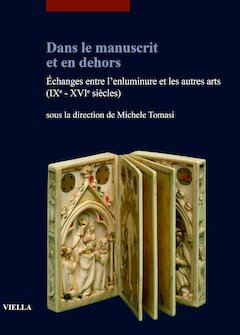
Publication – « Dans le manuscrit et en dehors. Échanges entre l’enluminure et les autres arts (IXe-XVIe siècles) », éd. Michele Tomasi

L’enluminure occupe une place centrale dans le système des arts du Moyen Âge et de la première époque moderne. Dotée de caractères propres par son intégration dans cet organisme complexe qu’est le codex, elle dialogue néanmoins avec les autres domaines de la création.

Cet ouvrage explore justement les rapports entre l’enluminure et d’autres arts – que ce soient les textiles, l’orfèvrerie, la sculpture, la gravure ou encore la peinture sur panneau et la peinture monumentale – en considérant des cas significatifs de l’époque carolingienne à la Renaissance, passant de Paris à Bologne, des Alpes à la Méditerranée. Une vingtaine d’autrices et d’auteurs d’Allemagne, de France, d’Italie et de Suisse interrogent les conditions institutionnelles, les formes et les significations des échanges entre les techniques dans et en dehors du manuscrit, entre polyvalence des artistes, collaboration entre les métiers, circulation de modèles, stratégies représentatives.

Table des matières :

  • Michele Tomasi, Avant-propos
  • I. Polyvalence d’artistes à la fin du Moyen Âge, entre la France et l’Italie (avec une escapade helvétique)
    • Inès Villela-Petit, Les frères de Limbourg hors du livre
    • Nicolas Oget, Le Maître de Coëtivy: un cheminement dans la polyvalence du métier de peintre à la fin du Moyen Âge
    • Mireia Castaño, Quelques réflexions sur les rapports entre enluminure et broderie en France au XVe siècle
    • Aurélia Cohendy, Les enlumineurs toulousains à la fin du XVe siècle d’après les statuts de leur corporation
    • Fabio Massaccesi, Tra pittura e miniatura: il caso bolognese di Jacopo di Paolo e Giovanni da Modena
    • Pier Luigi Mulas, Intorno a un miniatore-glittico milanese dimenticato: Giovanni Antonio Decio
    • Cristina Quattrini, Miniatori e pittori nella Milano di fine Quattrocento: il caso di Princivalle Negri
    • Adeline Favre, Autour de Pierre Maggenberg et d’un missel à l’usage de Lausanne: peinture et enluminure à Fribourg au début du XVe siècle
  • II. Échanges entre l’enluminure et d’autres techniques. Manuscrits et arts somptuaires
    • Fabrizio Crivello, Più preziosa dei preziosi. Miniatura e arti suntuarie alla corte di Carlo Magno
    • Ilka Mestemacher, Expanding Illumination Techniques: Paint Splashes and Gold Relief in the Carolingian Aachen Gospels
    • Alessia Marzo, Alle origini della miniatura sotto cristallo. Prime riflessioni
    • Marina Bernasconi Reusser, Christine Jakobi-Mirwald, Rammendi, miniature, tessuti. Lavori da monache a Engelberg
  • III. Sculpture, peinture monumentale, architecture, estampe
    • Loretta Vandi, A Long Foliate Reform. Acanthus in Romanesque Tuscany between Illumination and Sculpture
    • Chiara Paniccia, Roma e l’area figurativa toscana nel XII secolo. Contaminazioni tra pittura murale e pittura libraria
    • Melissa Nieto, De la sculpture à l’enluminure et vice versa. Échanges entre techniques dans la région du Haut-Rhin autour de 1200
    • Denise Zaru, Entre enluminure et peinture en Emilie-Romagne à la fin du XVe siècle. Les architectures fictives d’Ercole de’ Roberti: un outil dévotionnel
    • Nastasia Gallian, Giulio Clovio (1498-1578) et l’estampe
  • Index des noms
  • Index des manuscrits
  • Les autrices et les auteurs

Informations pratiques :

Dans le manuscrit et en dehors Échanges entre l’enluminure et les autres arts (IXe-XVIe siècles), éd. Michele Tomasi, Rome, Viella, 2023 ; 1 vol., 560 p. (I libri di Viella. Arte / Études lausannoises d’histoire de l’art, 33). ISBN : 978-8-83313-869-5. Prix : € 49,00.

Source : Viella

Publié dans Publications | Laisser un commentaire

Podcast – Mortar Wreck: Time Team Expedition Crew Joins Dive on Medieval Shipwreck!

Accès : ici

Time Team’s Expedition Crew returns to investigate a Medieval shipwreck off the South coast of England, laden with a fascinating cargo. Derek Pitman and Lawrence Shaw spend a day with the dive team from Bournemeouth University Maritime Archaeology to uncover 700 year-old secrets hidden beneath the waves.

Join us for the premiere of this Expedition Crew episode, this Saturday 10th June at 7pm BST. Theme performed and arranged by Charles Harrison @CharlesHarrisonMusic

Additional music by Steve Day and Premium Beat. Special thanks to: Bournemouth University Maritime Archaeology: http://bumaritime.org/
Haysom Purbeck Stone: https://purbeckstone.co.uk/
Ship illustration by Sara Nunan
Ship 3D reconstruction by Andy Woodhead

Source : YouTube

Publié dans Podcast | Laisser un commentaire

Appel à contribution – La guerre et la ville

Dans le cadre d’un colloque visant à exposer les différentes recherches pluridisciplinaires et transversales au sein des « Études de guerre » au public de l’Université Bordeaux Montaigne, et au public extérieur, sur le thème : “La Guerre et la ville”, les étudiants du « GER | Jeune Recherche » lancent un appel à contribution.

« La Guerre et la Ville »

Thème 1 : « La ville au cœur des stratégies de guerre »

Thème 2 : « Poliorcétique, espaces et combats urbains »

Thème 3 : « Les populations urbaines dans la guerre »

Thème 4 : « Symboliques de la ville dans la guerre »

Dans un idéal de construction scientifique, la pluridisciplinarité demeure un aspect crucial et prépondérant de ce colloque, en particulier sur cette thématique, pour traiter la question dans une approche synchronique et diachronique.

Ce colloque, qui aura lieu début février 2024 à Pessac, reposera sur quatre thèmes de discussion, de quatre ou cinq interventions chacun.

Celles-ci dureront 20 minutes (15 minutes pour les masterants) et auront pour but de proposer une approche d’un des thèmes de ce colloque.

Pour contribuer, vous êtes invités à nous faire parvenir avant le 15 juillet 2023, une présentation de votre possible intervention (1500 caractères), par courriel au contact général du GER | Jeune Recherche (ger.jeunerecherche@gmail.com). Après en avoir pris connaissance, le GER | Jeune Recherche vous contactera pour préciser le projet. Si votre présentation est retenue, le dernier semestre 2023 sera consacré à la mise en œuvre de notre collaboration.

Source : Guerres – Espaces – Représentations

Publié dans Appel à contributions | Laisser un commentaire