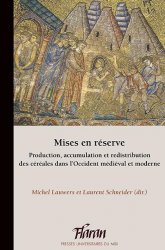
Publication – « Production, accumulation et redistribution des céréales dans l’Occident médiéval et moderne », dir. Michel Lauwers et Laurent Schneider

Dépôt saisonnier des fruits de la récolte, lié au cycle annuel de la consommation, ou formes de stockage plus durable, offrant la perspective d’un usage différé des produits de la terre : les dispositifs de mise en réserve des céréales, qui constituaient la base de l’alimentation dans les sociétés occidentales du passé ainsi qu’un important levier de mobilisation et de circulation des richesses, représentent une dimension essentielle des économies anciennes.

Les contributions d’historiens et d’archéologues, spécialistes des époques médiévale et moderne, qui sont réunies dans cet ouvrage, s’attachent à l’ensemble du processus de production, d’accumulation et de redistribution des grains dans lequel s’inscrivaient les pratiques de stockage. Il y est tout à la fois question des techniques de conservation des céréales et des structures de dépôt, silos, granges, greniers ou entrepôts, des politiques et des réseaux d’approvisionnement, ainsi que des institutions sociales liées à la mise en réserve des fruits du labeur humain. Cet ouvrage propose ainsi un premier panorama des problématiques et des connaissances relatives au stockage des céréales dans l’Occident médiéval et moderne.

Table des matières : ici

Informations pratiques :

Production, accumulation et redistribution des céréales dans l’Occident médiéval et moderne. 40es Journées internationales d’histoire de Flaran, 12-13 octobre 2018, dir. Michel Lauwers et Laurent Schneider, Toulouse, Presses universitaires du Midi, 2022 ; 1 vol., 336 p. ISBN : 978-2-8107-0790-4. Prix : € 26,00.

Source : Presses universitaires du Midi

Publié dans Publications | Laisser un commentaire

Appel à projet – Fonds Jean-Jacques Comhaire – Appel à projets 2022 – Soutien aux projets

Jusqu’au 17 11 2022 – Patrimoine et culture

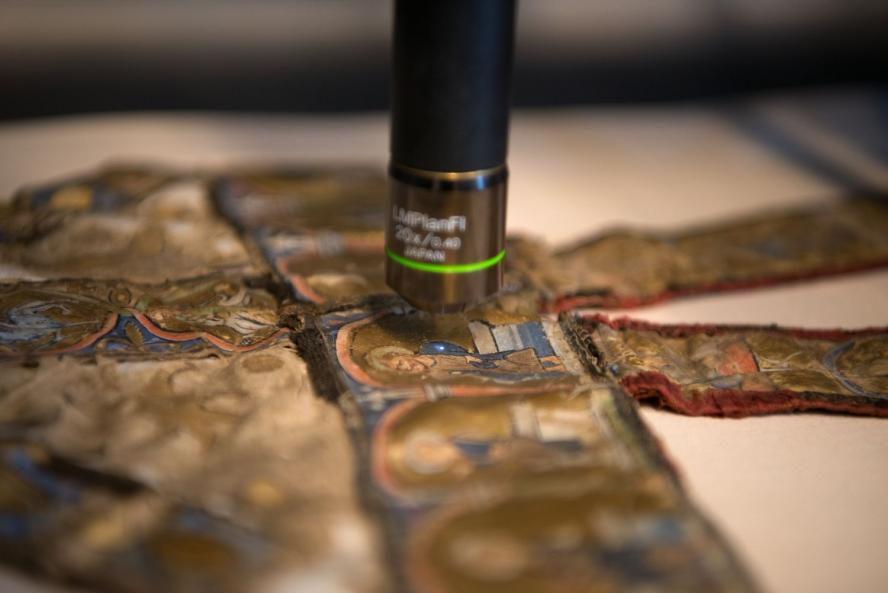
Soutien à la recherche en archéométrie, en utilisant des méthodes et des techniques scientifiques naturelles pour des études en archéologie et histoire (de l’art).

De quoi s’agit-il ?

L’appel à projets du Fonds Jean-Jacques Comhaire s’adresse aux chercheurs, aux universités et aux propriétaires/gestionnaires de témoins majeurs de notre passé. Il soutient l’utilisation de l’archéométrie dans les domaines de l’archéologie, de l’histoire de l’art et de l’architecture. L’étude aboutira à une publication (papier ou digitale) et/ou à un traitement de restauration.

Créé au sein de la Fondation Roi Baudouin en 2012, le Fonds Jean-Jacques Comhaire a pour but de « favoriser et de faciliter le recours aux méthodes d’investigation et de contrôle propres aux sciences exactes (physique, chimie, (micro)biologie, etc.) ou à l’informatique dans le but de mieux faire connaître le patrimoine, soit les recherches de nature archéométrique au sens large ».

L’étude des matériaux (support, pigment, etc.) d’éléments architecturaux, d’œuvres ou d’objets archéologiques permet grâce à une approche partant des sciences exactes, de renouveler et d’élargir le questionnement à propos d’un élément de notre patrimoine. Les sciences exactes et les sciences humaines apportent chacune leur spécificité pour mieux comprendre les témoins de notre passé.

Pour qui ?

L’appel s’adresse aux chercheurs, aux universités et aux propriétaires/gestionnaires de témoins majeurs de notre passé.

Comment introduire un dossier ?

  1. Assurez-vous que vous rentrez dans les conditions de cet appel à projets. Voir les critères de sélection
  2. Connectez-vous à votre compte via https://candidate.kbs-frb.be, ou créez-en un, si c’est la première fois.
  3. Complétez le dossier en ligne (en plusieurs fois, si vous le souhaitez).
  4. Envoyez votre dossier une fois celui-ci entièrement complété.
  5. Vous recevez une confirmation par mail, ainsi que votre dossier de candidature en pdf.

Source : Bibliothèque royale de Belgique

Publié dans Appel à projet | Laisser un commentaire

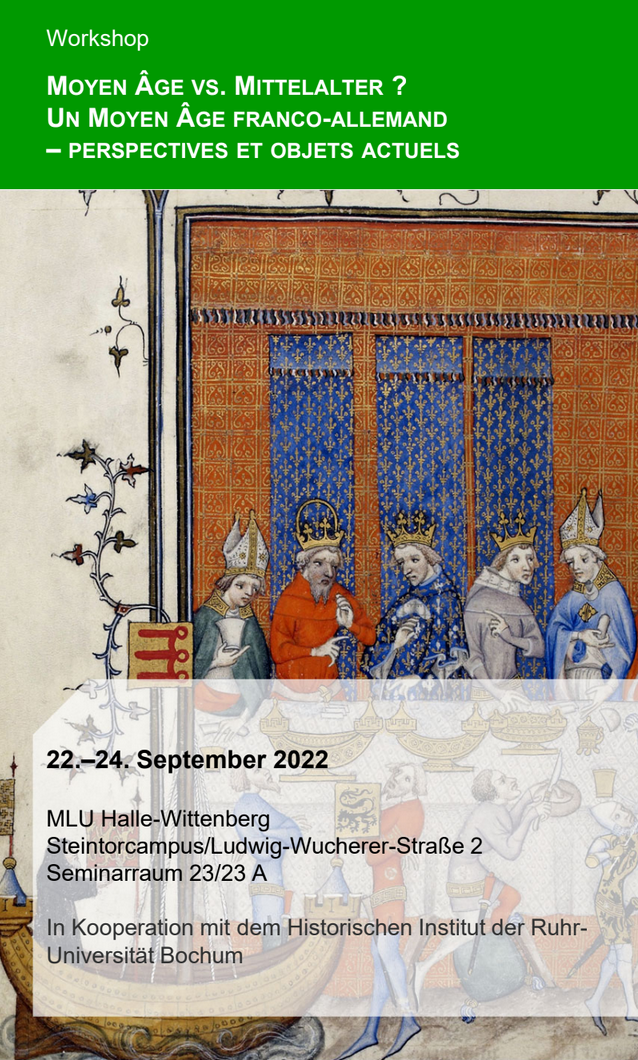
Colloque – Moyen Âge versus Mittelalter ? Un Moyen Âge franco-allemand

Notre atelier souhaite promouvoir la création d’un réseau entre médiévistes francophones et germanophones, stimuler l’échange entre jeunes chercheuses et chercheurs dans le domaine de l’histoire médiévale et initier de nouvelles coopérations.

Programme :

Jeudi 22 septembre 2022

  • 14:00-14.30 Georg Jostkleigrewe/Klaus Oschema: Accueil et introduction
  • 14.30-15:45 Anne Greule (Iéna): Prediger der Transformation. Alain von Lille und die Pariser Schulen in der zweiten Hälfte des 12. Jahrhunderts
  • 15:45-17:00 Maria-Elena Kammerlander (Paris): La fille du roy. Zur gesellschaftlichen Bedeutung der Universität in Paris

17:00-17:30  Pause

  • 17:30-18:45 Olivia Mayer (Klagenfurt): Gescheiterte Magieanklage. Familienstreit um die Grafschaft Artois

Vendredi 23 septembre 2022

  • 9:00-9:30 Philippe Depreux (Hambourg): Das Frühmittelalter im Spannungsfeld zwischen europäischer Identität und nationalen Traditionen
  • 9:30-10:45 Matthias Rozein (Liège), L’histoire des papes en français ? Médiévistique francophone et recher-ches sur les papes du haut Moyen Âge

10:45-11:15 Pause

  • 11:15-12:30 Sebastian Gensicke (Paris): Ein Netzwerk in Aktion? Die gemeinsamen Urkundenausstellungen der Bischöfe Samson von Reims, Joscelin von Soissons und Bartholomäus von Laon

12:30-14:00 Pause

  • 14:00-15:15 Amélie Sagasser (Paris): Judenprivilegien im Reich vs. Privilèges des juifs au Royaume de France (11. bis 13. Jahrhundert)

15:15-15:45 Pause

  • 15:45-17:00 Yannick Pouivet (Trêves): Häretische Netzwerke Okzitaniens um 1300. Das „katharische“ Beher-bergungssystem im Spiegel der Inquisition des Bernard Gui, Geoffroy d’Ablis und Jacques Fournier
  • 17:00-18:15 Philipp Stenzig (Düsseldorf): Unedierte Quellen zum Ende des Großen Abendländischen Schismas in den Ländern des Grafen von Armagnac

Samedi, 24 septembre 2022

  • 09:00-10:15 Katharina Schüppel (Bamberg), Mittelalterliche Madonnenskulpturen mit metallenen Oberflächen. Französische und deutsche Perspektiven auf einen geteilten Gegenstand

10:15-10:45 Pause

10:45-12:00

  • Hanna Schäfer (Trêves): Malaria in Regnum und Imperium? Ein Forschungsprojekt zu Verbreitung, Behandlung und Vorbeugung von Wechselfiebererkrankungen im mittelalterlichen West- und Südeuropa

Discussion/conclusion

Informations pratiques :

Seminarraum 23/23 A – Ludwig-Wucherer-Straße 2
Halle, Allemagne (06108)

22-24 septembre

Source : Calenda

Publié dans Colloque | Laisser un commentaire

Offre d’emploi – Assistant Professor, Early Global South Comparatist

Position overview

Position title: Assistant Professor

Application Window

Open date: September 8, 2022

Next review date: Wednesday, Nov 30, 2022 at 11:59pm (Pacific Time)
Apply by this date to ensure full consideration by the committee.

Final date: Wednesday, Nov 30, 2022 at 11:59pm (Pacific Time)
Applications will continue to be accepted until this date, but those received after the review date will only be considered if the position has not yet been filled.

Position description

The Department of Comparative Literature at the University of California, Los Angeles has been authorized to make an appointment to a full-time position at the rank of Assistant Professor (tenure-track), effective July 1, 2023. The Department seeks an Early Global South comparatist for the position. The ideal candidate will work in the early periods (ca. 1000 – 1600 C.E.) in a non-European field, in any of the following areas: Middle East, Asia, Africa, or the Americas. This includes indigenous thought in the precolonial/early colonial period. While the non-European field specialty should be primary, comparative work on non-European-to-European connections will be considered. Applicants should have a PhD in Comparative Literature or a related field in hand by the time of appointment (July 1, 2023). The candidate will show broad and sophisticated theoretical competence. We seek the potential for exceptional research, excellence in teaching (lower division to graduate), and value candidates whose experience in teaching, research, or community service has prepared them to contribute to our commitment to diversity and excellence. Women and underrepresented minorities are encouraged to apply.

Applicants should submit the materials listed below by November 30, 2022:

  • Letter of application
  • Current curriculum vitae
  • Evidence of teaching effectiveness
  • Sample course descriptions
  • Writing sample, no longer than 30 pages
  • Diversity statement
  • Three letters of recommendation
  • Authorization to Release Information Form

These materials must be submitted online: https://recruit.apo.ucla.edu/JPF07817.

All inquiries about the application process may be directed to Laura Enneian at: lenneian@humnet.ucla.edu. Please cite the reference number for this search in all correspondence: JPF07817.

UCLA offers an excellent package of benefits, including domestic partner benefits; it also has a number of programs to assist faculty in career development and the balance of work and family obligations.

The University of California is committed to creating and maintaining a community dedicated to the advancement, application, and transmission of knowledge and creative endeavors through academic excellence, where all individuals who participate in University programs and activities can work and learn together in a safe and secure environment, free of violence, harassment, bullying and other demeaning behavior, discrimination, exploitation, or intimidation. With this commitment as well as a commitment to addressing all forms of academic misconduct, UCLA conducts targeted employment reference checks for finalists to whom departments or other hiring units would like to extend formal offers of appointment into Academic Senate faculty positions. The targeted employment reference checks involve contacting the finalists’ current and prior places of employment to ask whether there have been substantiated findings of misconduct that would violate the University’s Faculty Code of Conduct. To implement this process, UCLA requires all applicants for Academic Senate faculty positions to complete, sign, and upload the form entitled “Authorization to Release Information” into RECRUIT as part of their application. If the applicant does not include the signed authorization to release information with the application materials, the application will be considered incomplete. As with any incomplete application, the application will not receive further consideration. Although all applicants for faculty recruitments must complete the entire application, only finalists (i.e. those to whom the department or other hiring unit would like to extend a formal offer) considered for Academic Senate faculty positions will be subject to targeted employment reference checks.

Qualifications

Basic qualifications(required at time of application)

Applicants should have a PhD in Comparative Literature or a related field in hand by the time of appointment (July 1, 2023).

Application Requirements

Document requirements

  • Cover Letter – Letter of application
  • Curriculum Vitae – Your most recently updated C.V.
  • Evidence of teaching effectiveness – This can include teaching evaluations, peer teaching observations, etc.
  • Sample Course Descriptions
  • Writing sample – No longer than 30 pages
  • Statement on Contributions to Equity, Diversity, and Inclusion – An EDI Statement describes a faculty candidate’s past, present, and future (planned) contributions to equity, diversity, and inclusion. To learn more about how UCLA thinks about contributions to equity, diversity, and inclusion, please review our Sample Guidance for Candidates and related EDI Statement FAQ document.
  • Reference check authorization release form – Complete and upload the reference check authorization release form

Reference requirements

  • 3 letters of reference required

Three letters of recommendation must be submitted at time of application.

Apply link:https://recruit.apo.ucla.edu/JPF07817

Help contact: lenneian@humnet.ucla.edu

Campus Information

As a condition of employment, you will be required to comply with the University of California SARS-CoV-2 (COVID-19) Vaccination Program Policy. All Covered Individuals under the policy must provide proof of Full Vaccination or, if applicable, submit a request for Exception (based on Medical Exemption, Disability, and/or Religious Objection) or Deferral (based on pregnancy) no later than the applicable deadline. New University of California employees must (a) provide proof of receiving at least one dose of a COVID-19 Vaccine no later than 14 calendar days after their first date of employment and provide proof of Full Vaccination no later than eight weeks after their first date of employment; or (b) if applicable, submit a request for Exception or Deferral no later than 14 calendar days after their first date of employment. (Capitalized terms in this paragraph are defined in the policy.) Federal, state, or local public health directives may impose additional requirements.

The University of California is an Equal Opportunity/Affirmative Action Employer. All qualified applicants will receive consideration for employment without regard to race, color, religion, sex, sexual orientation, gender identity, national origin, disability, age or protected veteran status. For the complete University of California nondiscrimination and affirmative action policy, see: UC Nondiscrimination & Affirmative Action Policy.

Job location

Los Angeles, CA

Source : UCLA

Publié dans Offre d'emploi | Laisser un commentaire

Publication – « Greek and Latin Poetry of Late Antiquity Form, Tradition, and Context », dir. Berenice Verhelst et Tine Scheijnen

Although Greek and Latin poetry from late antiquity each poses similar questions and problems, a real dialogue between scholars on both sides is even now conspicuously absent. A lack of evidence impedes discussion of whether there was direct interaction between the two language traditions. This volume, however, starts from the premise that direct interaction should never be a prerequisite for a meaningful comparative and contextualising analysis of both late antique poetic traditions. A team of leading and emerging scholars sheds new light on literary developments that can be or have been regarded as typical of the period and on the poetic and aesthetic ideals that affected individual works, which are both classicizing and ‘un-classical’ in similar and diverging ways. This innovative exploration of the possibilities created by a bilingual focus should stimulate further explorations in future research.

Table des matières :

Introduction. Walking the wire. Towards an inclusive approach to Latin and Greek late antique poetry Berenice Verhelst and Tine Scheijnen
Part I:

  1. Rivaling song-contests and alternative Typhonomachies in Ovid and Nonnus: revisiting the issue of Latin influence on Greek poetry in Late Antiquity Katerina Carvounis and Sophia Papaioannou
  2. Greek and Roman epigrammatists in the later imperial period: Ausonius and Palladas in dialogue with the classical past Silvio Bär
  3. Allusion and referentiality in late antique epic Calum Maciver
  4. Speaking from the margins: paratexts in Greek and Latin poetry Aaron Pelttari
    Part II:
  5. The implosion of poetic genre in Late Antiquity Helen Kaufmann
  6. Common texts, (un)common aesthetics: the Greek and Latin cento in dialogue Brian Sowers
  7. A ‘revival’ of the ‘epyllion’ as a ‘genre’? Genre awareness in short epic narrative from Late Antiquity Berenice Verhelst
    Part III:
  8. Saying the other. The poetics of personification in late antique epic Emma Greensmith
  9. Internal audiences in the New Testament epics of Juvencus and Nonnus Laura Miguélez-Cavero
  10. Colluthus and Dracontius: mythical traditions and innovations Marcelina Gilka
  11. Objects of the lusting gaze: viewing women as works of art in late antique poetry Sophie Schoess
  12. Metamorphosis and mutability in late antique epic Philip Hardie.

Informations pratiques :

Greek and Latin Poetry of Late Antiquity Form, Tradition, and Context, éd. Berenice Verhelst, Tine Scheijnen, Cambridge, Cambridge University Press, 2022 ; 1 vol., 300 p. ISBN : 978-1-31651-605- 8. Prix : GBP 75,00.

Source : Cambridge University Press

Publié dans Publications | Laisser un commentaire

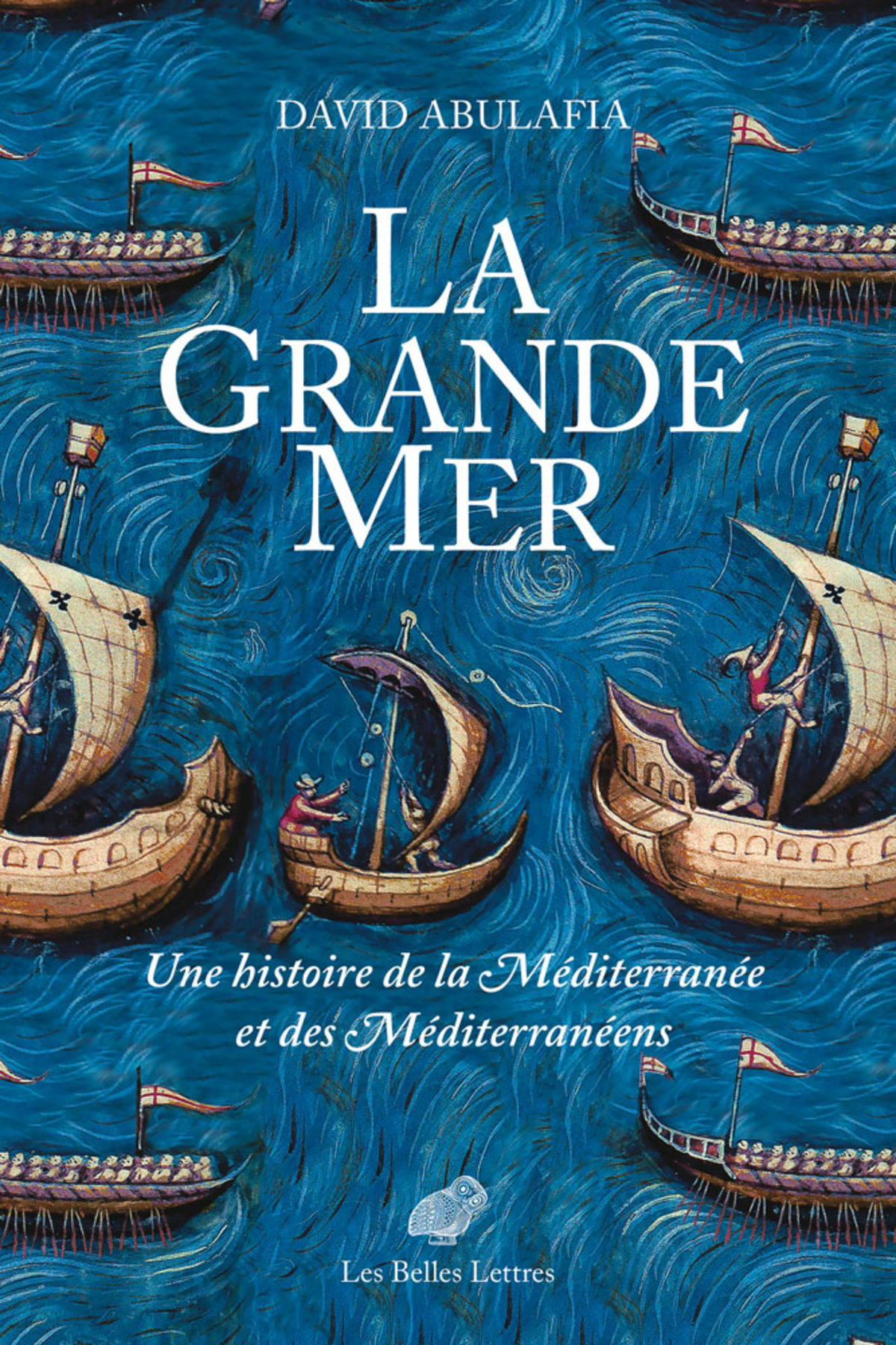
Publication – David Abulafia, « La Grande Mer. Une histoire de la Méditerranée et des Méditerranéens »

Pendant quelque trois mille ans, le bassin méditerranéen a été un foyer de civilisation de premier ordre. Il a exercé une influence majeure sur les affaires du monde.

David Abulafia retrace ici l’histoire d’une mer à hauteur d’homme, de la guerre de Troie à la piraterie, des batailles navales entre Carthage et Rome à la diaspora juive des mondes hellénistiques, de la montée de l’Islam aux Grands Tours du XIXe siècle jusqu’au tourisme de masse du XXe siècle.
Plutôt que d’imposer une unité artificielle à l’activité foisonnante qui se déroule à la surface de la « Grande Mer », David Abulafia insiste sur sa diversité, qu’elle soit ethnique, linguistique, religieuse ou politique.

Au cœur de sa thèse se trouve l’idée que la prospérité de cités maritimes telles qu’Alexandrie, Trieste, Salonique, Venise et beaucoup d’autres, a reposé pour une large part sur leur capacité à accueillir peuples, religions et identités et à leur permettre de coexister : la Méditerranée a incarné pendant des millénaires ce lieu exceptionnel où religions, économies et systèmes politiques se sont rencontrés, affrontés, influencés et finalement assimilés.

David Abulafia combine la recherche historique la plus exigeante avec le style enlevé du conteur. Son histoire de très longue durée a été unanimement saluée comme une splendide réussite.

Professeur émérite d’histoire méditerranéenne à l’université de Cambridge, David Abulafia en a présidé la faculté d’histoire. Son travail porte sur l’Espagne, l’Italie et la Méditerranée médiévales. La Grande mer. Une Histoire de la Méditerranée et des Méditerranéens a reçu le prix de la British Academy ainsi que le Mountbatten Maritime Award.

Table des matières :

Préface 

Introduction. La mer aux cent noms 


Partie I. La première Méditerranée, 22000‑1000 av. J.-C.
1. Isolement et insularité, 22000‑3000 av. J.-C. 
2. Cuivre et bronze, 3000‑1500 av. J.-C. 
3. Marchands et héros, 1500‑1250 av. J.-C. 
4. Peuples de la mer et Peuples de la terre, 1250‑1100 av. J.-C. 
 

Partie II. La deuxième Méditerranée, 1000 av. J.-C.-600 apr. J.-C.
5. Marchands de pourpre, 1000‑700 av. J.-C. 
6. Descendants d’Ulysse, 800‑550 av. J.-C. 
7. Le triomphe des Tyrrhéniens, 800‑400 av. J.-C. 
8. Vers le jardin des Hespérides, 1000‑400 av. J.-C. 
9. Thalassocraties, 550‑400 av. J.-C. 
10. Le phare de la Méditerranée, 350‑100 av. J.-C. 
11. « Il faut détruire Carthage », 400‑146 av. J.-C. 
12. « Mare Nostrum », 146 av. J.-C.-150 apr. J.-C. 
13. Anciennes et nouvelles croyances, 1‑450 
14. Désintégration, 400‑600 


Partie III. La troisième Méditerranée, 600‑1350
15. Fosses méditerranéennes, 600‑900 
16. Par-delà les frontières de la chrétienté et de l’islam, 900‑1050 
17. Bouleversements dans la Grande Mer, 1000‑1100 
18. « Le profit que Dieu voudra accorder », 1100‑1200 
19. Les routes de la mer, 1160‑1185 
20. Mort et renaissance des empires, 1130‑1260 
21. Marchands, mercenaires et missionnaires, 1220‑1300 
22. « Serrata », le grand verrouillage, 1291‑1350 


Partie IV. La quatrième Méditerranée, 1350‑1830
23. Empereurs romains en herbe, 1350‑1480 
24. À l’Ouest, du nouveau, 1391‑1500 
25. Saintes ligues et alliances inavouables, 1500‑1550 
26. « Akdeniz », la bataille de la mer Blanche, 1550‑1571 
27. Intrusions en Méditerranée, 1571‑1650 
28. Les diasporas aux abois, 1560‑1700 
29. Encouragements à d’autres, 1650‑1780 
30. À travers le prisme russe, 1760‑1805 
31. Deys, beys et pachas, 1800‑1830 


Partie V. La cinquième Méditerranée, 1830‑2014
32. Et toujours ils se rencontreront, 1830‑1900 
33. Grecs et non-Grecs, 1830‑1920 
34. Fin de partie ottomane, 1900‑1918 
35. Un conte des quatre villes et demie, 1900‑1950 
36. « Mare Nostrum », le retour, 1918‑1945 
37. Une mer fragmentée, 1945‑1990 
38. La Dernière Méditerranée, 1950‑2014 


Conclusion. La traversée 

Notes 
Sources citées 
Table des illustrations 
Index 

Informations pratiques :

David Abulafia, La Grande Mer. Une histoire de la Méditerranée et des Méditerranéens, Paris, Les Belles Lettres, 2022 ; 1 vol., XXIV–744 pages. ISBN : 978-2-25145-306-4. Prix : € 35,00.

Source : Les Belles Lettres

Publié dans Publications | Laisser un commentaire

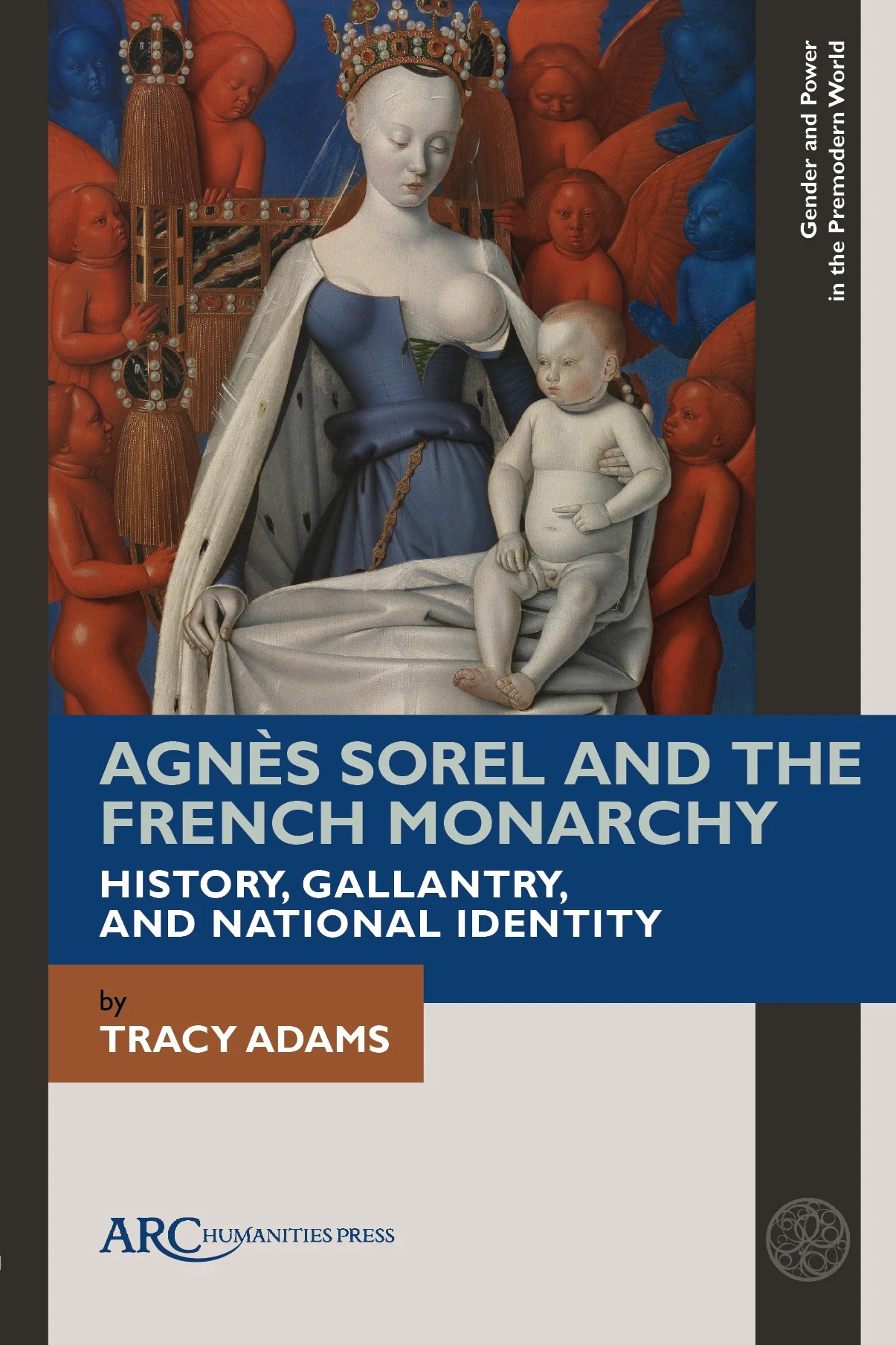
Publication – Tracy Adams, « Agnès Sorel and the French Monarchy. History, Gallantry, and National Identity »

Agnès Sorel (1428–1450), beautiful favourite of Charles VII of France and first in the long genealogy of French royal mistresses, was mysteriously poisoned in the prime of life. Agnès, part of a network of royal « favourites, » is equally interesting for her political activity. And yet, no scholarly study in English of her exists. This study brings her story to an English-speaking audience, examining her in her historical context, that is, the factional struggle for power waged against Charles VII by the dauphin Louis and the king’s final routing of the English. It then traces Agnès’s afterlife, exploring her roles as founding mother of the tradition of the French royal mistress and foil for the less popular holders of the « office »; as erotic fantasy figure for nineteenth-century historians « re-inventing » the Middle Ages; and, most recently, as poignant victim for fans of the true crime genre.

Tracy Adams is Professor in European Languages and Literatures at the University of Auckland, New Zealand. She is the author of Violent Passions: Managing Love in the Old French Verse Romance(2005), The Life and Afterlife of Isabeau of Bavaria (2010), Christine de Pizan and the Fight for France (2014), and co-author with Christine Adams of The Creation of the French Royal Mistress: From Agnès Sorel to Madame Du Barry (2020).

Informations pratiques :

Tracy Adams, Agnès Sorel and the French Monarchy. History, Gallantry, and National Identity, Leeds, ARC Humanities Press, 2022 ; 1 vol., 172 p. (Gender and Power in the Premodern World – ARC). ISBN : 978-1-64189-352-7. Prix : € 92,00.

Source : ARC Humanities Press

Publié dans Publications | Laisser un commentaire

Publication – Thomas Schwitter,  » Erinnerung im Umbruch. Die Fortsetzung, Drucklegung und Ablösung der »Grandes chroniques de France« im 15. und frühen 16. Jahrhundert »

Accès en ligne : ici

Die Studie zeichnet die Entwicklung der herrschaftsnahen Historiografie Frankreichs im 15. und frühen 16. Jahrhundert nach. Im Fokus steht dabei in den zwei ersten Teilen die Fortsetzung und Drucklegungen der »Grandes Chroniques« im 15. Jahrhundert bis hin zur Ablösung dieses Leittextes durch die neuen, humanistisch geprägten Werke von Robert Gaguin und Paulus Aemilius. Dazwischen werden zahlreiche Entwicklungsstufen rekonstruiert und auch bislang kaum untersuchte Werke thematisiert. Das Hauptthema der französischen Historiografie war in jener Zeit lange die damals jüngere Vergangenheit, das heißt der französische Bürgerkrieg (1407–1435) und der damit verbundene Konflikt mit den englischen Königen. Das Ringen verschiedener Parteien um die Deutungshoheit über jene Jahrzehnte prägte deshalb die Entwicklung der französischen Historiografie im 15. und frühen 16. Jahrhundert maßgeblich, was im dritten Teil der Arbeit untersucht wird.

Thomas Schwitter (*1983) studierte in Bern und Paris Geschichte, Kunstgeschichte und Philosophie. Mit der vorliegenden Arbeit hat er 2015 an der Universität Bern promoviert. Er unterrichtet Geschichte und Politik am Gymnasium Hofwil (CH) und ist auch als Schulbuchautor tätig. Sein Forschungsschwerpunkt ist die französische Historiografie des 15. und frühen 16. Jahrhunderts.

Informations pratiques :

Thomas Schwitter, Erinnerung im Umbruch. Die Fortsetzung, Drucklegung und Ablösung der Grandes chroniques de France im 15. und frühen 16. Jahrhundert, Heidelberg, Heidelberg University Publishing, 2022 ; 1 vol., 334 p. (Pariser Historische Studien). ISBN : ‎ 978-3968220925. Prix : € 49,90.

Source : Heidelberg University Publishing

Publié dans Publications | Laisser un commentaire

Séminaire – Les Ymagiers, 2022-2023

Fondé en 1972 à l’initiative du Père dominicain Philippe-Martin Hubert (1908-1976), le groupe des « Ymagiers » se proposait à l’origine de réunir « de temps à autre » les quelques chercheurs qui, au CNRS, à l’Université et dans les métiers de la conservation, s’intéressaient à « l’étude des documents non écrits ».

D’abord « amicales et informelles », ces réunions prirent un tour plus institutionnel à partir de 1976, lorsqu’elles bénéficièrent de l’hospitalité de l’IRHT. Sous l’impulsion de Gaston Duchet-Suchaux puis de Michel Pastoureau, elles se spécialisèrent dans les questions d’iconographie médiévale et contribuèrent à mieux faire connaître cette discipline. À partir de 1999, une nouvelle équipe, animée par Claudia Rabel et Patricia Stirnemann, ouvrit plus largement les séances, notamment vers le public étudiant, et leur donna une assise et une périodicité plus stables. Désormais les « Ymagiers » se réunissent cinq fois par an, d’octobre à juin, à l’École du Louvre, amphithéâtre Dürer (Palais du Louvre, place du Carroussel, porte Jaujard, 75001 Paris), pour entendre un orateur parler de ses recherches récentes ou en cours. L’exposé est suivi d’une discussion générale.

Les séances ont lieu le lundi à 17h30 à l’École du Louvre – Amphithéâtre Dürer et durent environ deux heures ; elles réunissent de trente à cinquante personnes.

Programme 2022-2023 :

10 octobre 2022
Laurence Terrier Aliferis
« Les bénéfices de l’étude de particularités iconographiques: l’exemple de la Fuite en Égypte »

5 décembre 2022
« 5, 10, 50… et plus encore : séance surprise pour le 50e anniversaire des Ymagiers »

13 févier 2023
Marion Maine
« La représentation de l’Arche d’Alliance à la fin du Moyen Âge »

17 avril 2023
Olga Vassilieva-Codognet
« L’iconographie de la Fortune dans l’enluminure médiévale »

12 juin 2023
Stéphane Lecouteux
« Les apports des analyses physico-chimiques à la connaissance du manuscrit 50 d’Avranches, provenant du Mont Saint-Michel (Blois-Orléans, vers 1020) »

Publié dans Séminaire | Laisser un commentaire

Colloque (en ligne) – Monumental Medievalism: Public Monuments and the (Mis)Use of the Medieval Past

Swansea
05.10.2022 – 06.10.2022
FREE REGISTRATION VIA EVENTBRITE HERE: https://www.eventbrite.co.uk/e/monumental-medievalism-public-monuments-the-misuse-of-the-medieval-past-tickets-385605214577?keep_tld=1

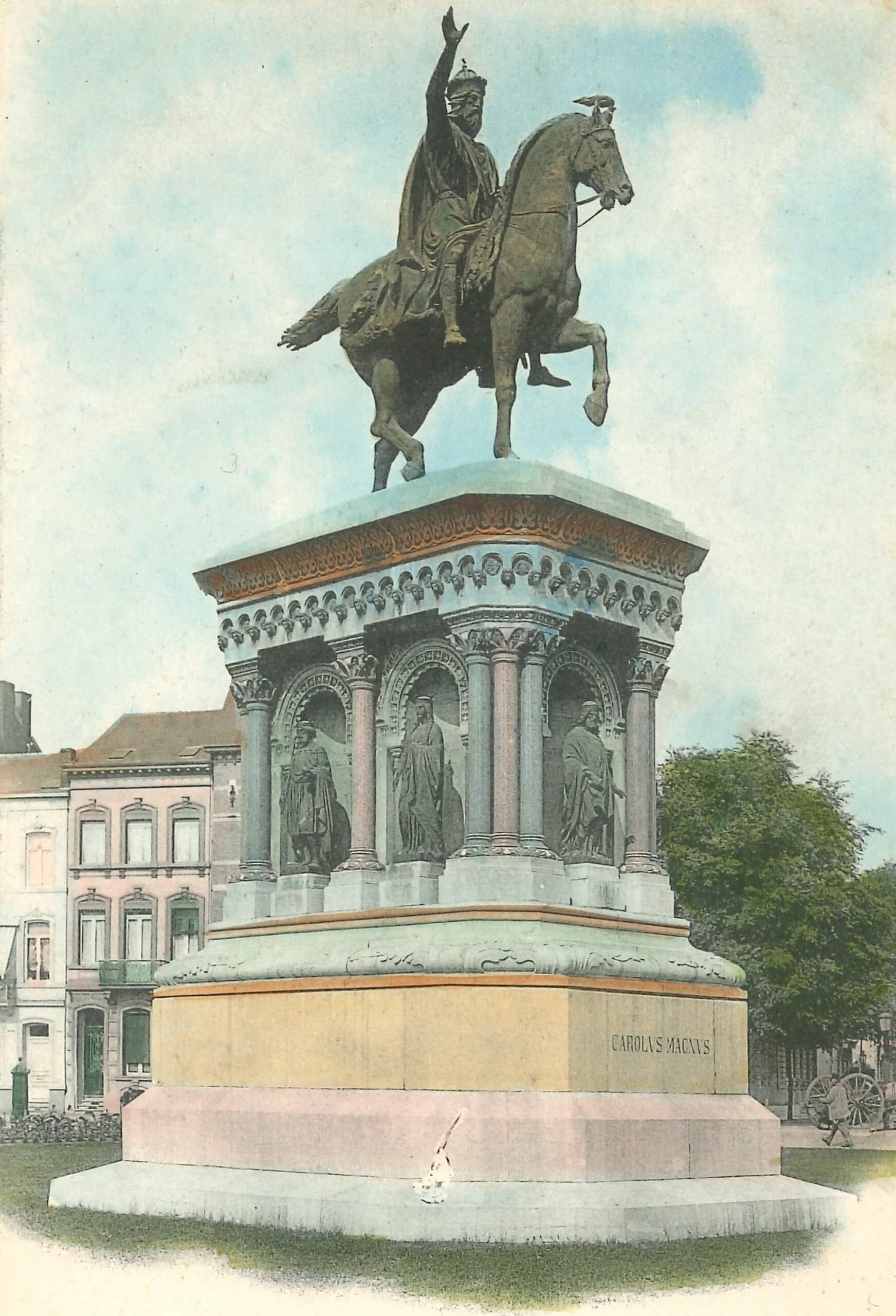
In the summer of 2020, one of several dozen protests organised throughout the world in response to the murder of George Floyd in Minneapolis (USA) culminated in the statue of the slave trader Edward Colston being dumped into the water of Bristol Harbour (England). The ripples were felt across the globe. In the ensuing days, weeks and months, scores of other monuments depicting historical figures were variously defaced, toppled, removed from view, or placed under new scrutiny. Many of these had played prominent roles in the slave trade and/or in European colonialism. Some of these monuments were of medieval figures, while others were evocative – to varying degrees of credibility – of the (faux-)chivalric codes and rose-tinted regalia of the medieval past. Of course, to medievalists, the convergence of civic and civil statuary with protest and activism was nothing new. In fact – from the damnatio memoriae of later Roman Emperors to Saints Florus and Laurus smashing statues in Kosovo; Byzantine Eikonomachía; Aniconism in medieval Islam; the Huichang Persecution of Buddhist images; the Ghaznavid plundering of Mathura and Somnath; the Khmer intolerance of Jayavarman monuments in Angkor; the Strigólnik stripping of Pskov and Novgorod; and the First and Second Suppression Acts of the 1530s – many of its roots actually lie in the medieval world. What use then, or advantage, might the study of the Middle Ages hold in evaluating these modern political struggles? This workshop will address precisely this question.

The workshop has three aims. Firstly, it will explore examples of statues, monuments and related forms of public sculpture which speak to the ongoing making and unmaking of medieval figures, images and histories: what we term “Monumental Medievalism”. Secondly, in addition to considering the “when”, “how” and “why” of monuments’ original production, it will interrogate the varied and often contested meanings that monuments later acquired over time. Of special interest, moreover, will be papers that address not only the use but the misuse of the Middle Ages, in connection to questions of local identity, gender, sexuality, race, religion and/or marginalisation. Thirdly, it will take the measure of nostalgia for the Middle Ages in the twenty-first century, asking questions of appropriation, anachronism, authenticity, nationalism and reflecting upon the possibilities and pitfalls of conscripting medieval images to serve as contemporary cultural conduits.

Programme :

Wednesday 5 October

12:45–13:00
Welcome
Euan McCartney Robson and Simon John

13:00–14:45
Session 1: Monumental Medievalism in Modern Japan
Chair: Simon John, Swansea University, UK

Sven Saaler (Sophia University, Japan): The medieval roots of imperial loyalty: the cult of Kusunoki Masashige in modern Japan

Judith Vitale (University of Zurich, Switzerland): The “Movement for the Establishment of a Monument for the Mongol invasions”

Ran Zwigenberg (Pennsylvania State University, USA): Date Masamune: In (and off) the Saddle of History on Japan’s Periphery

Oleg Benesch (University of York, UK), A Japanese Monument to Global Medievalism: The Origins of the Yasukuni Shrine Yushukan Military Museum

14:45–15:15 BREAK

15:15–16:15
Session 2: Encountering the Middle Ages through Monuments: approaches and debates
Chair: Euan McCartney Robson, Paul Mellon Centre, UK

Laura S. Harrison (Independent Scholar, UK) & Andrew B.R. Elliott (University of Lincoln, UK): “Set in Stone”: The Participatory Function of Medieval Statues

Sarah Gordon (Utah State University, USA): “Tear it Down”: Controversial Statues of Medieval Figures in the US (Joan of Arc and St. Louis)

16:15–17:15 BREAK

17:15–18:45
Session 3: Monuments and the Medieval Past in Ukraine and Russia
Chair: Leonie Exarchos, University of Mainz, Germany

Emma Louise Leahy (Independent Scholar, Germany): The Kyivan Rus’ as Origin Story in Soviet and National Historiographies: The Changing Meanings of Medieval Images in the Monumental Mosaic Art of Ukraine (1960s to 2010s)

Anastasija Ropa (Latvian Academy of Sport Education, Latvia), Edgar Rops (Independent Scholar, Latvia), and Maria Inês Bolinhas (Catholic University of Portugal): The Contested Statue of Knyaz Vladimir/Volodimir

Aleksandr Vitalievich Rusanov and Olga Alekseevna Makridina (both National Research University Higher School of Economics, Russia): Russian monumental medievalism: cases of Moscow and Ryazan

Thursday 6 October

12:00–13:30
Session 4: Monuments, Medieval History and Nation-Building
Chair: Christoph Laucht (Conflict, Reconstruction and Memory research group, Swansea University)

Anna Lidor-Osprian and Romedio Schmitz-Esser (both Heidelberg University, Germany): Between Medievalism and Baroque Maternalism: The Multifaceted Historical Monumentalism of nineteenth-century Austria

Len Scales (Durham University, UK): Unsettled Memories: Henry I (r. 919–936) in Quedlinburg

Tommaso Zerbi (Bibliotheca Hertziana, Max Planck Institute for Art History, Italy): A Tale of Two Monuments: Making, Remaking, and Unmaking the Myth of Amadeus VI of Savoy from the Nineteenth to the Twenty-First Century

13:30–14:00 BREAK

14:00–15:00
Session 5: National Histories and the (ab)uses of the Middle Ages
Chair: TBA

Gethin Matthews (Swansea University, UK): The use and abuse of the medieval past in Wales in the age of the Great War

Omer Merzić (Institute of Historical Research, UK): The use and misuse of medieval monuments in Bosnia and Herzegovina

15:00–15:30 BREAK

15:30–17:00
Session 6: Monumental Women
Chair: TBA

Julia Faiers (University of St Andrews, UK): The invention and reinvention of Clémence Isaure in modern Toulouse

Christopher Crocker (University of Manitoba, Canada): Ásmundur Sveinsson’s “The First White Mother in America”: Guðríðr Þorbjarnardóttir as a (white-) feminist icon

Caroline Bourne (University of Reading, UK): The Gwenllian Monument at Kidwelly: Issues of Gender and a Contested Landscape in Commemorating Medieval Welsh History

17:00–17:30 BREAK

17:30–19:00
Session 7: The Monumental Heritage of the Middle Ages
Chair: TBA

Teresa Soley (Columbia University, USA): Sculpting Portugal’s Golden Age: Tombs and the Image of the “Age of Discovery”

Jessica Barker (The Courtauld Institute, UK): Anachronic Empire: The Afterlives of the Padrões of Diogo Cão

Ethel Sara Wolper (University of New Hampshire, USA): Lessons from Mosul: ISIS, UNESCO, and the Spectacle of Definition

19:00 Concluding remarks

Publié dans Colloque | Laisser un commentaire