Monday, 26 September, and Tuesday, 27 September 2022
Organised by the Akademie der Wissenschaften und der Literatur, Mainz, in cooperation with the Centre Luxembourgeois de Documentation et d’Études Médiévales (CLUDEM) and the Universität Siegen (Christina Abel, Akademie der Wissenschaften und der Literatur, Mainz & Giuseppe Cusa, Universität Siegen)
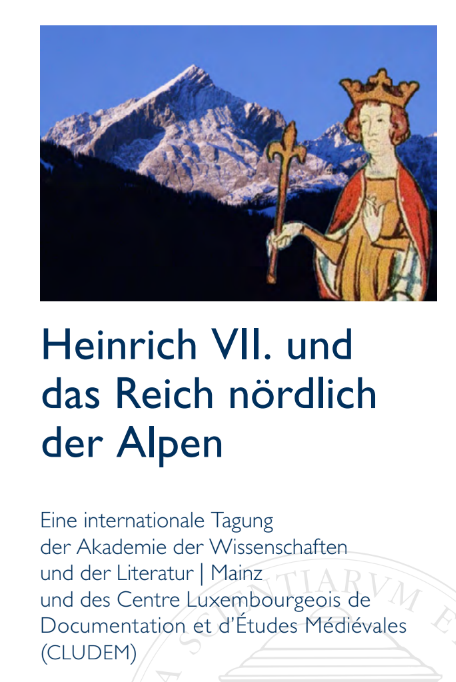
The election of Henry VII as Roman-German king (1308) and his coronation as emperor (1312) marked the rise of the Counts of Luxembourg to become a dynasty active throughout Europe. His Italian campaign and his Italian policy have received much attention in recent years. In contrast, the activities of Henry VII in the parts of the Empire north of the Alps have been only sporadically illuminated.
The international conference is dedicated to this hitherto neglected area of the royal and imperial period of the Luxembourger. The focus will be on the manifold relations with various actors from the realm north of the Alps that Henry VII maintained during his stay there and later from Italy, as well as on the means and resources that the ruler used for this purpose.
The conference will take place at the Akademie der Wissenschaften und der Literatur, Mainz, Geschwister-Scholl-Straße 2 in 55131 Mainz. Conference languages are German and English. There is no registration fee. To attend the conference, please register by September 15, 2022 contacting christina.abel(at)adwmainz.de. If due to pandemic the event has to take place in a hybrid or digital format, access information will be sent to you shortly before the conference.
Conference programme
Monday, 26th September 2022 14:15 : Christina Abel (Saarbrücken/Mainz) & Giuseppe Cusa (Siegen): Introduction
14:30 : Michel Margue (Luxembourg): Luxemburg und Niederlotharingien am Beginn des 14. Jahrhunderts. Heinrich VII. im Land der »Königsmacher«
15:10 : Timothy Salemme (Luxembourg): On the western frontier of the Empire. Henry VII of Luxembourg, the comital dynasty of Bar and the dukes of Lorraine
15:50 : Coffee break
16:20 : Ellen Widder (Tübingen): Württembergs Zukunft vor dem Untergang. Heinrich VII., die Reichsstadt Esslingen und Graf Eberhard I.
17:00 : Antoine Lazzari (Luxembourg): Verlorene Quellen oder symbolisch aufgeladene Fiktion? Der Eklat zwischen Heinrich VII. und Eberhard von Württemberg in den Chroniken des 14. und 15. Jahrhunderts
17:40 : Robert Antonín (Ostrava): Henry VII and the Czechlands after the extinction of the Přemyslids
Tuesday, 27th September 2022
09:30 : Miriam Weiss (Saarbrücken/Mainz): Von Zuckerbrot und Peitsche. Heinrich VII. und Bischof Johann I. von Straßburg
14:00 : Welcome
10:10 : Giuseppe Cusa (Siegen): Heinricus Heinrico. Die Beziehungen zwischen dem Luxemburger und dem Abt von Fulda
10:50 : Coffee break
11:20 : Christina Abel (Saarbrücken/Mainz): Schreiben mit kalten Fingern. Mitarbeiter und Schriftproduktion der nordalpinen Kanzlei Heinrichs VII.
12:00 : Yannick Pultar (Mainz): Der nichtfürstliche nordalpine Adel in der schriftlichen Kommunikation Heinrichs VII.
12:40 : Lunch break
14:00 : Andreas Büttner (Heidelberg): Zwischen Altlasten und neuen Plänen. Geld und Herrschaft unter Heinrich VII.
14:40 : Manuel Kamenzin (Bochum): Von Versöhnung und Eigennutz. Die Umbettungen König Adolfs und Albrechts I.
Colloque international, Chambéry-Turin, 12-15 octobre 2022 Convegno internazionale, Chambéry-Torino, 12-15 ottobre 2022
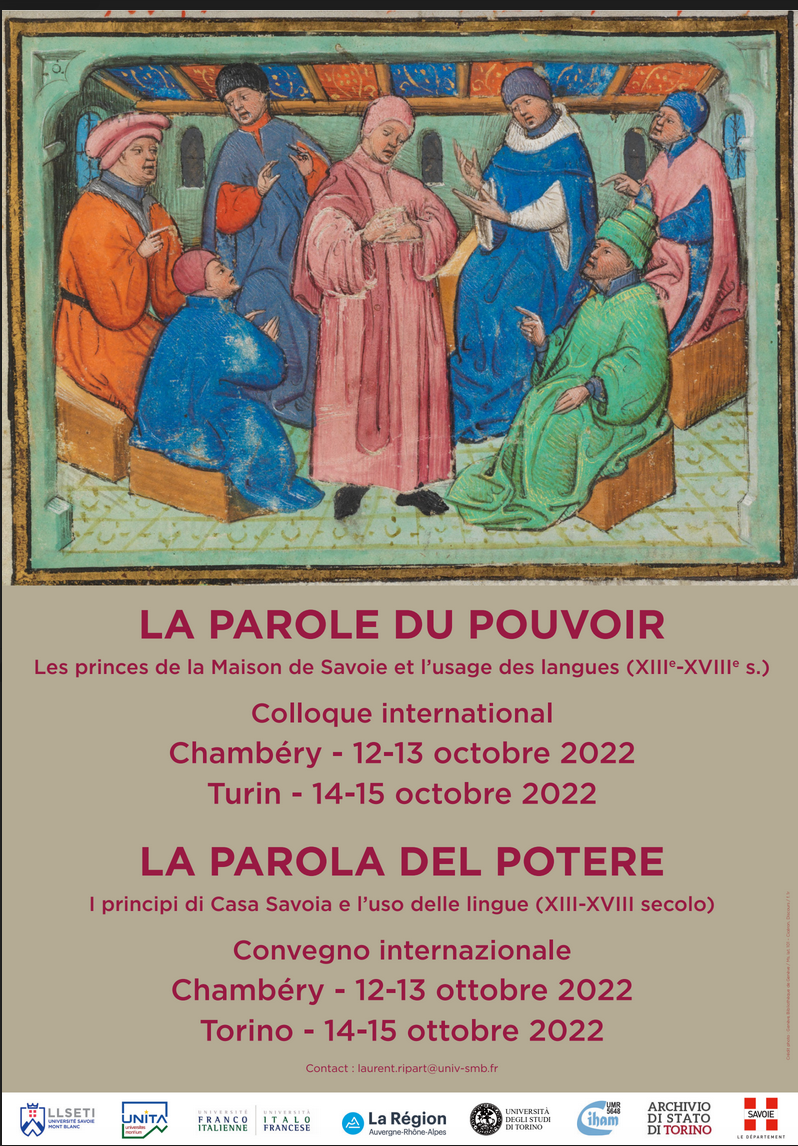
Situés de part et d’autre des Alpes occidentales, les états de Savoie se sont créés au terme d’une longue construction territoriale, qui les a amenés à englober des populations très hétérogènes. Vivant dans des aires linguistiques et culturelles multiples (français, italien, francoprovençal, occitan, allemand), les sujets de la maison de Savoie parlaient en effet des langues très diverses, ce qui constitue l’une des causes du très long maintien du latin comme langue administrative. Bien que l’édit de Rivoli de 1561, qui imposa l’usage du français et de l’italien dans les actes administratifs, ait constitué un tournant essentiel, cette évolution n’a pas été linéaire et n’a pas fait disparaître le plurilinguisme propre aux états de Savoie. La richesse linguistique des anciens territoires de la maison de Savoie sera mise en évidence par ce colloque, en prenant en compte la diversité des évolutions locales, en étudiant aussi bien les pratiques administratives que la vie d’une cour, dont le rayonnement international s’accompagnait d’un important multilinguisme.
Situati su entrambi i versanti delle Alpi occidentali, gli Stati della Savoia furono l’esito di una lunga costruzione territoriale, che determinò un’integrazione di popolazioni molto eterogenee. Poiché i sudditi di Casa Savoia vivevano in diverse aree linguistiche e culturali, si parlavano lingue differenti (francese, italiano, franco-provenzale, occitano, tedesco). La pluralità di lingue fu uno dei motivi per cui il latino fu mantenuto in uso per molto tempo come lingua amministrativa. Sebbene l’Editto di Rivoli del 1561, che impose l’uso del francese e dell’italiano negli atti amministrativi, abbia constituito una svolta essenziale, il mutamento linguistico non fu lineare e non eliminò il multilinguismo caratteristico degli Stati sabaudi. La ricchezza linguistica degli antichi territori di Casa Savoia sarà messa in evidenza in questo convegno, tenendo conto anche della diversità degli sviluppi locali, studiando sia le pratiche amministrative sia la vita di una corte, la cui influenza internazionale fu accompagnata da un significativo multilinguismo.
Programme :
Mercredi 12 octobre
Chambéry, Château, salle du comte rouge
13.30 Accueil
14.00 Benoît Grévin (CNRS, CRH – UMR 8558), Introduction.
L’expression du pouvoir
14.30 Paolo Buffo (Università degli studi di Bergamo), La documentation de la maison de Savoie au bas Moyen Âge: choix linguistiques, innovation formulaire et formation des scribes.
15.00 Florie Varitille (Université Paris I), Mettre des mots sur les actes. Gérer et écrire la diversité linguistique en Provence savoyarde (début-milieu XVe siècle).
15.30-16.00 Pause
La parole des sujets et des justiciables
16.00 Stefania Maffei Boillat (Université de Lausanne) et Michiel de Vaan (UniversitätBasel), Le choix entre citations françaises et francoprovençales dans l’administration en latin à Cossonay et ailleurs dans le Pays de Vaud.
16.30 Daniela Cereia (Archivio di Stato di Torino – Université Savoie Mont Blanc – UNITA), Les langues dans les procès criminels et civils de la principauté de Savoie (XVe-XVIe siècles).
17.30 Marta Gravela (Università di Torino – UNITA), Le parole della ribellione. Congiure e rivolte fra linguaggio del potere e vocabolario locale (secoli XIV-XVI).
Jeudi 13 octobre
Chambéry, Château, salle du comte rouge
Entre latin et vernaculaire(s) 1 : les pratiques administratives
9.00 Franco Morenzoni (Université de Genève), L’usage des langues dans le fonctionnement au quotidien de l’administration.
9.30 Jean-Louis Gaulin (Université de Lyon 2), L’enregistrement des noms des marchands aux péages de Savoie.
10.00 Cédric Mottier (Université Savoie Mont Blanc – UNITA), Quelles traces de langage vernaculaire dans les extentes et les livres de reconnaissances des Savoie dans les bailliages de Bresse, Bugey et Gex (XIIIe s. – XVIe s.) ? Sondages et esquisses.
10.30 – 11.00 Pause
Entre latin et vernaculaire(s) 2 : le laboratoire des sources comptables
11.00 Lauréane Badoux, Simon Frei (Université de Lausanne), Ce que racontent les comptes. Usage de la langue dans la comptabilité savoyarde (Trésorerie générale et comptes de l’Hôtel, XIVe-XVe s.).
11.30 Silvia Corino Rovano (Università di Torino – UNITA), La Tesoreria generale di Piemonte nel XVI secolo dopo la riforma linguistica.
12.00 –14.00 Repas
Entre latin et vernaculaire(s) 3 : le cas des Thoire-Villars
14.00 Florentin Briffaz (Université de Lyon 2), A la croisée des langues. Pratiques linguistiques et singularité du pouvoir chez les sires de Thoire-Villars (XIIIe-XVe siècle).
14.30 Jean-Pierre Gerfaud (Université catholique de Lyon), Traces du latin dans les comptes des sires de Thoire-Villars. D’une écriture individuelle et automatique à une écriture juridique et institutionnelle.
15.00 Fabio Armand, Claudine Fréchet et Noël Poncet (Université catholique de Lyon), Les comptes des sires de Thoire-Villars et leurs apports linguistiques au francoprovençal.
Les langues de la diplomatie 1
15.30-16.00 Florence Serrano (Université Savoie Mont Blanc – UNITA), Les contacts entre Castillans et Savoyards au concile de Bâle.
Transfert Chambéry – Turin
Venerdi 14 ottobre,
Torino, Archivio di Stato (Corte), Piazza Castello
Culture linguistiche a corte
9.30 Accoglianze
10.00 Laurent Ripart (Université Savoie Mont Blanc – UNITA), Les langues de l’historiographie de cour, XIVe s.-XVIIe s.
10.30 Mathieu Caesar (Université de Genève), Traductions et traducteurs à la cour d’Amédée VIII.
11.00-11-30 Pausa
11.30 Thalia Brero (Université de Neuchâtel), Dans quelle(s) langue(s) s’effectue la communication politique ? Le cas des célébrations de cour (XVe-XVIe s.).
12.00 Paola Bianchi (Università della Valle d’Aosta-Université de la Vallée d’Aoste) e Andrea Merlotti (Centro studi del Consorzio delle Residenze Reali Sabaude), Il dibattito settecentesco sull’uso del francese, dell’italiano e del piemontese come lingue a corte e fra le élites.
12.30-14.30 Pasti
Le lingue della diplomazia 2
14.30 Eva Pibiri (Université de Lausanne), ‘Si parvum latinum in ista littera scribam’. L’usage des langues dans les ambassades de la cour de Savoie au XVe siècle.
15.00 Florian Chamorel (Université de Lausanne), Communiquer avec l’Orient. Les usages linguistiques dans les échanges politiques et diplomatiques des princes de Savoie en Méditerranée orientale à la fin du Moyen Age (XIVe-XVe s.).
L’epistolografia principesca
15.30 Laura Gaffuri (Università di Torino – UNITA), Comunicazione scritta e bilinguismo: le lettere di Iolanda di Valois, duchessa di Savoia (1466-1478).
16.00-16.30 Pause
16.30 Anja Thaller(Universität Stuttgart),Gli usi linguistici di una principessa sabauda all’estero: Margherita di Savoia (1420–1479), contessa palatina e contessa di Württemberg
17.00 Elodie Conti (Université de Lyon 3), La place des langues dans l’exercice du pouvoir : la correspondance bilingue de Christine de France, duchesse de Savoie (1606-1663).
Sabato 15 ottobre,
Torino, Università, Sala Lauree Terracini (Palazzo Nuovo)
Territori e confini linguistici
9.00 Bernard Andenmatten (Université de Lausanne), ‘Statim incepit clamare in suo theutonico’ : les Savoie et l’usage des langues dans le pays de Vaud face à la Franche-Comté et au monde alémanique (XIIIe – XIVe s.).
9.30 Alain Dubois (Archives d’Etat du Valais, Sion), Le rôle joué par les Savoie dans l’histoire de la frontière linguistique dans le diocèse de Sion au Moyen Age.
10.30 Paolo Cozzo (Università di Torino – UNITA),Alice Raviola (Université de Milan), L’uso delle lingue iberiche in Piemonte e Sardegna fra XVI e XVIII secolo.
11.00-11.30 Pausa
11.30 Marco Cuaz (Università della Valle d’Aosta-Université de la Vallée d’Aoste), Usi sociali e politici della lingua francese nella Valle d’Aosta dell’Otto e Novecento.
Call for Papers for Session Proposal at the International Medieval Congress (IMC 2023)
July 3 – 6, 2023
University of Leeds
Thematic focus: Networks and Entanglements
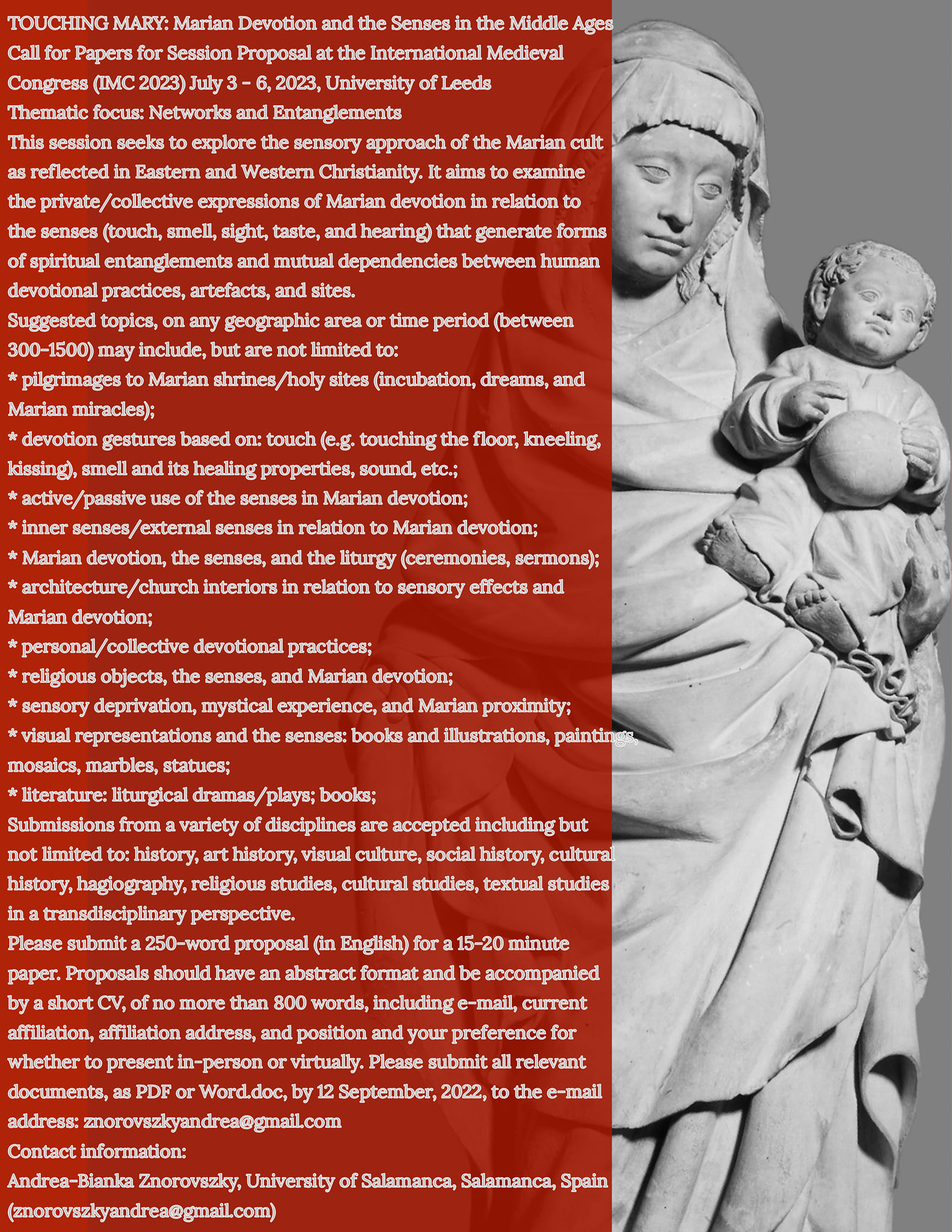
This session seeks to explore the sensory approach of the Marian cult as reflected in Eastern and Western Christianity. It aims to examine the private/collective expressions of Marian devotion in relation to the senses (touch, smell, sight, taste, and hearing) that generate forms of spiritual entanglements and mutual dependencies between human devotional practices, artefacts, and sites.
Suggested topics, on any geographic area or time period (between 300-1500) may include, but are not limited to:
* pilgrimages to Marian shrines/holy sites (incubation, dreams, and Marian miracles);
* devotion gestures based on: touch (e.g. touching the floor, kneeling, kissing), smell and its healing properties, sound, etc.;
* active/passive use of the senses in Marian devotion;
* inner senses/external senses in relation to Marian devotion;
* Marian devotion, the senses, and the liturgy (ceremonies, sermons);
* architecture/church interiors in relation to sensory effects and Marian devotion;
* personal/collective devotional practices;
* religious objects, the senses, and Marian devotion;
* sensory deprivation, mystical experience, and Marian proximity;
* visual representations and the senses: books and illustrations, paintings, mosaics, marbles, statues;
* literature: liturgical dramas/plays; books;
Submissions from a variety of disciplines are accepted including but not limited to: history, art history, visual culture, social history, cultural history, hagiography, religious studies, cultural studies, textual studies in a transdisciplinary perspective.
Please submit a 250-word proposal (in English) for a 15-20 minute paper. Proposals should have an abstract format and be accompanied by a short CV, of no more than 800 words, including e-mail, current affiliation, affiliation address, and position and your preference for whether to present in-person or virtually. Please submit all relevant documents, as PDF or Word.doc, by 12 September, 2022, to the e-mail address: znorovszkyandrea@gmail.com
Contact information:
Andrea-Bianka Znorovszky, University of Salamanca, Salamanca, Spain
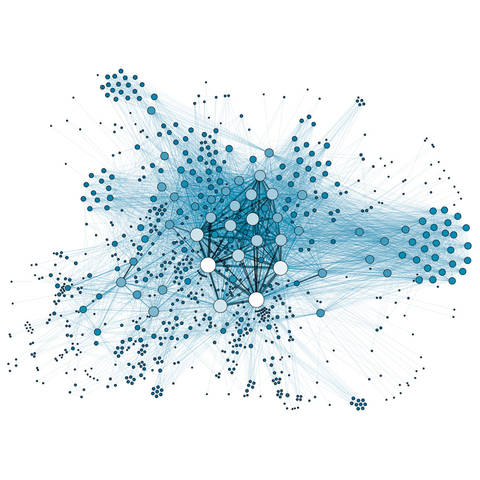
Depuis la fin du XXe siècle, l’analyse de réseaux occupe une place privilégiée dans le champ de la recherche historique comme dans les sciences humaines et sociales en général. Le « concept » de réseau est polysémique : il est utilisé aussi bien en histoire sociale et politique (réseaux de pouvoir ou d’influence, réseaux institutionnels, familiaux, religieux, clientélaires ou de patronage), qu’en histoire économique (réseaux financiers et marchands, légaux ou non, et leurs infrastructures et flux respectifs), ou qu’en histoire culturelle et intellectuelle (réseaux d’information, transferts idéologiques et artistiques, circulations savantes, réseaux académiques).
Les nouvelles technologies mises à disposition de la recherche historique, souvent groupées sous l’étiquette « d’humanités numériques », ont profondément transformé les méthodologies d’analyse de réseaux, déplaçant de fait le regard sur les objets étudiés et la délimitation même de ceux-ci. La transdisciplinarité et l’hybridation méthodologique sont d’ores et déjà des pratiques installées dans la recherche en histoire, qui fait appel à des approches aussi variées que celles de la microhistoire, de la prosopographie, de l’analyse statistique ou de la visualisation graphique des données : autant d’outils qui se construisent en même temps qu’ils s’expérimentent.
Combinant les approches qualitatives et quantitatives, les échelles macro et micro, l’analyse relationnelle enrichie par ces nouveaux dispositifs de modélisation de corpus et de données permet d’appréhender de façon renouvelée les systèmes complexes de fonctionnement des sociétés du passé, leurs institutions et leurs structures de pouvoir, autant que leurs dynamiques culturelles. Dès lors, plusieurs questions s’imposent : comment les nouveaux outils de recherche disponibles renouvellent-ils la désormais classique « analyse de réseaux » ? Comment l’analyse de réseaux est-elle pratiquée aujourd’hui dans les différents domaines de la science historique ?
Ces questions sont au cœur de l’école thématique qu’organisent la Casa de Velázquez, l’Ecole française de Rome, l’UMR FRAMESPA et l’UMR TELEMMe du 29 novembre au 2 décembre 2022 à Madrid (site de la Casa de Velázquez).
Intitulée Histoire et analyse de réseaux. Objets, méthodes et perspectives, elle s’adresse principalement à des doctorant.e.s, post-doctorant.e.s récent.e.s et éventuellement étudiant.e.s en 2ème année de master, dont le projet de recherche est déjà avancé. Les participant.es seront invités à y présenter leurs travaux et à échanger avec des spécialistes de la question dans le cadre de plusieurs ateliers structurés autour des axes suivants :
L’École thématique accueillera des doctorant.e.s et post-doctorant.e.s de toute nationalité travaillant sur l’aire espagnole, hispano-américaine ou éventuellement méditerranéenne.
Chaque session combinera conférence plénière et atelier collectif. Lors des ateliers, il sera demandé aux jeunes chercheuses et chercheurs de présenter un aspect de leur recherche en insistant sur les pratiques d’enquête, l’originalité du corpus sélectionné ou encore la méthodologie d’analyse mise en oeuvre. Les participant.e.s auront ainsi l’opportunité de s’impliquer activement, notamment lors des ateliers, en contribuant à la réflexion collective et en échangeant avec des spécialistes reconnus qui exposeront leur façon d’appréhender le fonctionnement des sociétés à travers l’étude des réseaux.
Afin d’alimenter les débats, un corpus de lectures sera adressé aux participant.e.s : ce corpus devra avoir été lu en amont de l’école thématique, afin de faciliter les échanges et de stimuler la réflexion. Les participants et participantes sont tenu.e.s d’assister à l’ensemble des ateliers et présentations.
Le prix de l’inscription est de 50 € (à travers le système de paiement Paypal).
L’école thématique prend en charge :
le logement à Madrid (en chambre double partagée ou chambre individuelle en fonction des normes sanitaires Covid en vigueur) pour 5 nuits : entrée le 28/11 et sortie le 03/12 et pour les candidats qui en font la demande et qui ne résident pas à Madrid
les déjeuners (4 jours)
Les dîners et les frais de déplacements restent à la charge des participant.es, qui sont invité.e.s à solliciter le soutien de leur(s) institution(s) de rattachement.
Critères de sélection
Les candidates et candidats doivent être inscrit.e.s en doctorat dans une université au moment de l’atelier. Peuvent également postuler les jeunes chercheurs.euses ayant soutenu leur doctorat depuis moins de trois ansainsi que les étudiant.es sur le point de débuter un master 2.
Les langues de l’école thématique sont le français et l’espagnol.
Le dossier de candidature comprendra deux pièces jointes suivantes à attacher directement au formulaire en ligne avant le 6 septembre 2022 (17 heure de Madrid)en format pdf :
Champs « Texte de motivation » (un seul pdf)
Une lettre de recommandation
Une lettre de motivation (max. 600 mots)
Champs « CV » (un seul pdf)
Un curriculum vitae (maximum 3 pages)
Un titre et une présentation du sujet de recherche en liaison avec la thématique de l’atelier (maximum 3000 signes espaces compris)
Les candidat.e.s seront informé.e.s du résultat de sélection du comité scientifique à partir du 26 septembre.
Informations pratiques :
29 novembre – 2 décembre 2022 Casa de Velázquez
COORD. : Eve FOURMONT GIUSTINIANI (UMR 7303, TELEMMe, CNRS, Aix-Marseille Université), Luis GONZÁLEZ FERNÁNDEZ (EHEHI-Casa de Velázquez, Madrid), Mathieu GRENET (UMR 5136, FRAMESPA, Institut national universitaire Champollion, IUF), Elisabel LARRIBA (UMR 7303, TELEMMe, CNRS, Aix-Marseille Université), Laura PETTINAROLI (Ecole française de Rome), Severiano ROJO HERNÁNDEZ (UMR 7303, TELEMMe, CNRS, Aix-Marseille Université)
ORG. : École des hautes études hispaniques et ibériques (Casa de Velázquez, Madrid), Ecole française de Rome, UMR 7303 (TELEMMe, CNRS, Aix-Marseille Université), Institut national universitaire Jean-François Champollion, UMR 5136 (FRAMESPA, CNRS, Université Toulouse – Jean Jaurès)
Date limite d’inscription 6 septembre 2022 (17h, heure de Madrid)
Each academic year the Institute has invited a senior medievalist to give the annual Etienne Gilson Lecture, established in honour of the Institute’s founder, and the remarkable range of his activities as historian, philosopher, and critic. Among the distinguished contributors to the series are fellows of the Institute, past and present, as well as scholars from Canada, Europe, and the United States. For the full list of contributors, see below.
The Etienne Gilson Lecture: “Avicennan Scholasticism”
Peter Adamson (Ludwig-Maximilians-Universität München)
Wed 28 Sep 2022; 4:15 PM – 5:30 PM
TBD
This lecture has been postponed to Wednesday, 28th September 2022.
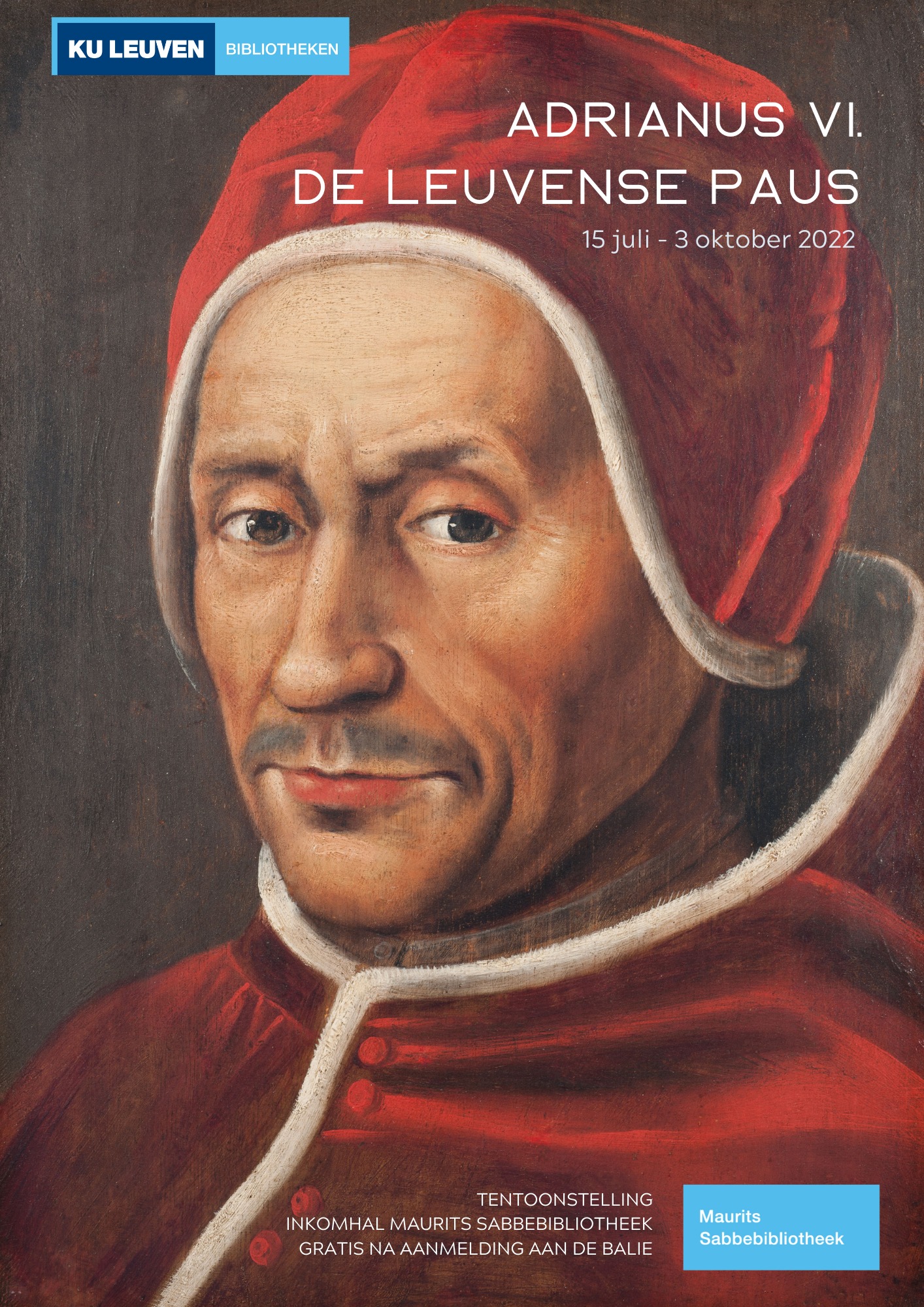
500 jaar geleden, op 9 januari 1522, werd de eerste en voorlopig enige paus uit de Nederlanden gekozen: de gewezen Leuvense hoogleraar Adrianus Florensz van Utrecht . Om dit te vieren loopt een tentoonstelling in de Maurits Sabbebibliotheek.
Adrianus Florensz werd op 2 maart 1459 in Utrecht geboren. Zijn eerste vorming genoot hij in de IJsselstreek, vermoedelijk in Zwolle, waar hij ook in contact kwam met de Moderne Devotie. In 1476 schreef hij zich in aan de Leuvense universiteit, een instelling die voor hem een sleutelrol zou gaan spelen. In 1491 behaalde hij er de graad van doctor in de theologie. Inmiddels was hij al begonnen te doceren. Langzamerhand zou hij de belangrijkste hoogleraar theologie worden. In de Maurits Sabbebibliotheek in Leuven wordt als ms. 17 een eigenhandig geschreven codex van Adrianus bewaard met zijn theologische werken alsmede enkele toespraken, die lange tijd heeft toebehoord aan de bibliotheek van het door Adrianus zelf bij testament in zijn Leuvense woonhuis ingericht college, het Pauscollege. Na Adrianus’ vertrek uit Leuven werden zijn werken ook gedrukt, eerst in Leuven en Parijs, na zijn pausverkiezing ook in Rome en Venetië: de Quaestiones quodlibeticae en de Quaestiones in Quartum Sententiarum.
In 1493 en 1500 was hij rector van de universiteit. Vanaf 1497 was hij deken van het Sint-Pieterskapittel in Leuven en daarmee zowel vicekanselier van de universiteit als de voornaamste geestelijke van de stad. Inmiddels vielen zijn integriteit en intelligentie ook elders op: Margaretha van Oostenrijk, de landvoogdes der Nederlanden, benoemde hem in 1506 tot raadsheer en in 1507 tot opvoeder van de jonge Karel V: daarbij was Adrianus verantwoordelijk voor de intellectuele (Latijn!) en godsdienstige vorming van de jonge prins. Aanvankelijk vond het onderwijs in het oude Brabantse hertogelijk slot op de Keizersberg in Leuven plaats, maar al spoedig verbleef Adrianus steeds vaker in de nieuwe residentie Mechelen. In de herfst van 1515 werd Adrianus door Karel naar Spanje gestuurd om de Spaanse erfenis veilig te stellen: Karels Spaanse grootvader Ferdinand van Aragon had een voorkeur voor Karels broer. Adrianus wist zijn opdracht tot een goed einde te brengen en werd na Ferdinands dood op 23 januari 1516 Karels plaatsvervanger, met de machtige kardinaal Ximenes de Cisneros (1436-1517) naast zich. Tegelijk maakte Adrianus een steile klim in de kerkelijke hiërarchie: bisschop van Tortosa en grootinquisiteur van Aragon in 1516, kardinaal in 1517. Ook na Karels vertrek naar Aken in 1519 voor de keizerskeuze bleef Adrianus in Spanje als diens regent. Daarbij kreeg hij af te rekenen met de opstand van de Comuneros, de Spaanse adel en steden die zich weggedrukt voelden. Net nadat Adrianus de overwinning behaald had en zich klaar maakte om Franse troepen die het land waren binnengevallen, terug te drijven, bereikte hem het nieuws dat hij op 9 januari 1522 tot paus was verkozen. Het duurde evenwel tot half augustus voordat hij zich echt naar Rome kon begeven.
Adrianus voerde meteen een strenge bezuinigingspolitiek, ook omdat zijn voorganger Leo X Medici (1513-1521) de schatkist aanzienlijk geleegd had. De nieuwe paus probeerde (geheel in de lijn van Erasmus’ oproepen) de Europese vorsten met elkaar te verzoenen om tegen de oprukkende Turken een vuist te kunnen maken, maar dat mislukte. Uiteindelijk werd hij gedwongen om toe te treden tot een anti-Frans verbond. De kwestie die Adrianus wellicht het meest ter harte ging was de Lutherse Hervorming. De Leuvense theologen hadden als eersten enkele stellingen van Luther uit 1517 veroordeeld, niet zonder hun voormalige leidsman om zijn mening te hebben gevraagd (Leuven: Dirk Martens, 1520). Luther was in 1521 op de Rijksdag van Worms veroordeeld, maar op een nieuwe Rijksdag in Neurenberg (Nürnberg), in 1522-1523, moest deze veroordeling nog geïmplementeerd worden. Adrianus stuurde zijn gezant Francesco Chieregati een bijzondere Instructie die deze op 3 januari 1523 op de Rijksdag voorlas. Deze Instructio bevat o.m. volgende opzienbarende alinea, waarin de paus erkent dat er misstanden in de Kerk zijn, oproept tot boetedoening en belooft hervormingen te zullen invoeren:
Scimus in hac Sancta Sede aliquot iam annis multa abominanda fuisse, abusus in spiritualibus, excessus in mandatis et omnia denique in perversum mutata. Nec mirum si aegritudo a capite in membra, a summis pontificibus in alios inferiores praelatos descenderit. Omnes nos (id est praelati) et ecclesiastici declinavimus, unusquisque in vias suas, nec fuit iam diu qui faceret bonum, non fuit usque ad unum. Quamobrem necesse est ut omnes demus gloriam Deo et humiliemus animas nostras ei videatque unusquisque nostrum unde ceciderit et se potius quilibet iudicet quam a Deo in virga furoris sui iudicari velit. Qua in re, quod ad nos attinet, polliceberis nos omnem operam adhibituros ut primum curia haec, unde forte omne hoc malum processit, reformetur. Ut sicut inde corruptio in omnes inferiores emanavit, ita etiam ab eadem sanitas et reformatio omnium emanet. Ad quod procurandum nos arctius obligatos reputamus, quanto universum mundum huiusmodi reformationem avidius desiderare videmus. Nos, uti alias tibi dixisse credimus, pontificatum hunc nunquam ambivimus, immo quantum in nobis fuit, longe maluissemus privatam vitam agere et in sancto otio Deo servire. Et profecto pontificatum ipsum plane recusassemus, nisi Dei timor et sincerus electionis nostrae modus necnon schismatis ex recusatione nostra imminentis metus nos acceptare illum coegisset.
‘Wij weten dat in deze Heilige Stoel al gedurende enkele jaren veel verwerpelijk is geweest, misbruik in geestelijke zaken, overdaad in benoemingen, kortom alles in het tegendeel verkeerd. En het is geen wonder dat de ziekte van het hoofd af naar de ledematen, van de pausen naar de andere, lagere, geestelijken is afgegleden. Wij allen, dat wil zeggen: kerkvorsten en geestelijken, zijn afgeweken, ieder op zijn eigen weg, en al lang was er niemand die iets goeds deed, absoluut niemand. Daarom is het nodig dat wij allen eer bewijzen aan God en onze ziel verootmoedigen, dat ieder van ons ziet waar hij gevallen is en dat hij zich liever zelf beoordeelt dan dat hij zich door God met de roede van zijn toorn laat oordelen. Hierin moet u, voor zover het onszelf betreft, beloven dat wij alle moeite zullen doen om eerst deze Curie, vanwaar misschien heel dit kwaad voortkomt, te hervormen. Zoals daarvandaan het bederf naar alle lagere niveaus is doorgelekt, zo ook zou van hetzelfde punt de genezing en de hervorming van alles moeten doordringen. Wij achten ons des te meer verplicht om dit te bewerkstelligen als we zien hoezeer de hele wereld een dergelijke hervorming dringend wenst. Wij hebben u eerder al gezegd, menen wij, dat wij dit pausschap nooit hebben geambieerd: veel liever, voor zover het van ons zou afhangen, zouden we een teruggetrokken leven leiden en in heilige rust God dienen. We zouden zelfs dit pausschap hebben geweigerd als niet de eerbied voor God en de oprechte wijze van onze verkiezing en de vrees voor een schisma dat door onze weigering dreigde, ons had verplicht de keuze te aanvaarden.’
Dit was nooit eerder vertoond en zou ook nadien een uiterste zeldzaamheid blijven. Pas tegen 2000 zal Adrianus’ moed om fouten toe te geven en om vergiffenis te vragen navolging krijgen.
Op 5 augustus 1523 werd Adrianus ziek. Hij zou in zijn testament opdracht geven tot de oprichting van een college voor arme theologiestudenten in zijn eigen huis in Leuven (het Pauscollege aan het Hogeschoolplein). Op 14 september 1523 stierf de enige paus uit de Nederlanden, van geboorte een Utrechter, maar door zijn carrière en werken vooral ook een Leuvenaar.
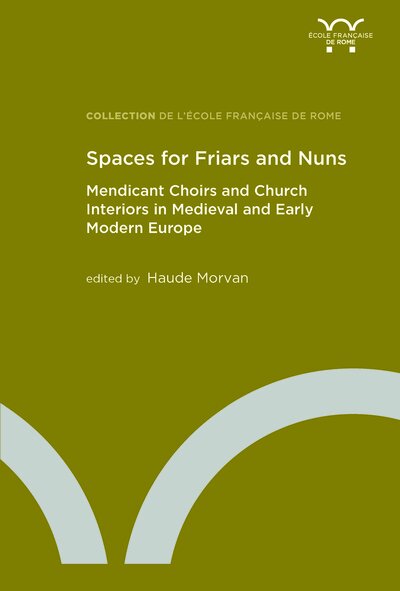
In the thirteenth century, mendicant orders introduced new ways of religious life that engaged the laity through preaching and conversion. Moreover, they founded new movements for religious women dedicated to prayer and contemplation, such as the Dominican nuns and the Poor Clares. In their churches, both friars and nuns were separated from the laity, either in choir precincts situated behind architectural screens, or in upper galleries raised above ground level. Before the widespread removal of these furnishings, therefore, medieval and early modern mendicant church interiors did not resemble the unified spaces we encounter today.
This volume presents a series of European case studies which use textual and material evidence to reconstruct and analyze the internal divisions of churches between the thirteenth and the sixteenth century. Thus, the authors provide a broad understanding of the variety, function, and meaning of the internal divisions that once conditioned the spiritual experience, function and meaning of sacred space for the laity as well as for the religious community.
Spaces for Friars and Nuns: Mendicant Choirs and Church Interiors in Medieval and Early Modern Europe, éd. Haude Morvan, Rome, École française de Rome, 2022 ; 1 vol. 392 p. (Collection de l’École française de Rome, 578). ISBN : 978-2-7283-1533-8. Prix : € 32,00.
The Yale University Department of History intends to appoint a tenure-track assistant professor of the Eastern Mediterranean or Near East, who specializes in the years between 600 and 1500, to begin on July 1, 2023. We are especially interested in scholars, who work across regions, languages, cultures, and religions. Applicants should have strong potential for achievement in scholarship as well as undergraduate and graduate teaching. We welcome applications from historians who already hold teaching positions, as well as recent PhDs and those who expect their PhD or equivalent degree by the time of appointment.
All applicants should submit a letter of application, C.V., a statement of research and a statement of teaching interests, and a chapter length writing sample prepared for anonymous reading. Letters of reference are not required at this initial stage but will be requested later. All applicants should submit materials at http://apply.interfolio.com/108402. Please contact Denise Scott denise.scott@yale.edu with any questions. The review of applications will begin October 1, 2022.
Yale University is an Affirmative Action/Equal Opportunity employer. Yale values diversity among its students, staff, and faculty and strongly welcomes applications from women, persons with disabilities, protected veterans, and underrepresented minorities
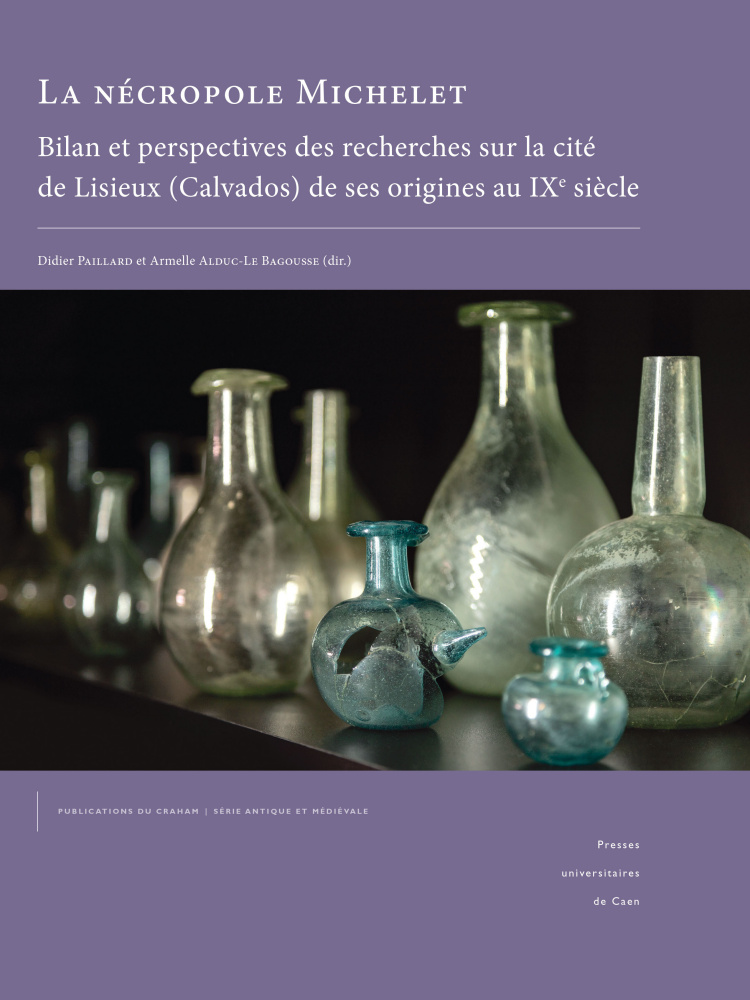
La fouille du site Michelet s’est déroulée de 1989 à 1991 et a permis la mise au jour de 970 tombes de la période tardo-antique au haut Moyen Âge.
Ce site majeur dans la région, longtemps unique en son genre dans le nord-ouest de la France, a bénéficié d’une fouille exhaustive avec la découverte d’une nécropole tardo-antique (800 sépultures) s’installant sur les vestiges d’un quartier artisanal du Haut-Empire. S’il existe un hiatus entre le Ve et le VIe siècle, le site est réoccupé à des fins funéraires à la période mérovingienne (218 sépultures).
Ces deux nécropoles ont livré une grande variété et richesse du mobilier associé aux défunts, des modes d’inhumation (chambres souterraines, cercueils de plomb, cercueils et coffrages de bois…) et des pratiques funéraires caractéristiques de ces périodes.
Cet ouvrage présente la synthèse des résultats d’une vingtaine d’années de recherche tant sur les vestiges archéologiques de la cité de Lisieux et son histoire que sur ses habitants.
Des analyses spécialisées ont été menées sur les sépultures et le mobilier funéraire (verreries, céramiques, monnaies, objets de parure, armes…) avec une attention toute particulière sur la gestion et l’évolution des espaces sépulcraux au cours du temps.
Population exceptionnelle du fait de sa conservation osseuse, une étude ostéologique, paléodémographique et paléopathologique complète des inhumés (1 156 sujets identifiés) a permis une meilleure appréciation de l’évolution des conditions de vie et de l’état sanitaire des individus au cours de l’Antiquité tardive puis du haut Moyen Âge.
Informations pratiques :
La nécropole Michelet. Bilan et perspectives des recherches sur la cité de Lisieux (Calvados) de ses origines au IXe siècle, éd. Didier Paillard et Armelle Alduc-Le Bagousse, Caen, Presses universitaires de Caen, 2022 ; 1 vol., 609 p. (Publications du Centre de Recherches Archéologiques et Historiques Anciennes et Médiévales). ISBN : 978-2-38185-170-9. Prix : € 60,00.
International Conference: Passions and the Mystical. Between Affecting and Being Affected
It is a pleasure to invite you to the annual Mystical Theology Network Conference:
Passions and the Mystical. Between Affecting and Being Affected. The conference is jointly organized by the Mystical Theology Network (MTN) and the Titus Brandsma Institute associated with Radboud University (TBI) and will take place in Nijmegen on 1-2 December, 2022.
Theologians, religious studies scholars, philosophers, literary scholars, (art) historians, creative practice researchers, writers, artists and scholars working in related fields will discuss and map out the wider semantic field of ‘passion(s)’ across mystical traditions.
Keynotes: Veerle Fraeters (University of Antwerp, Ruusbroec Institute) & Marc De Kesel (Radboud University, Titus Brandsma Institute)
Costs: Registration fee €145 (2 keynotes, 14 parallel sessions, 1 performance, coffee breaks, lunches and reception). Conference dinner on Thursday (€40) not included.
Registration is open until 20 October, but the organising team is very grateful for timely registration.
Avec le soutien du FNRS, du CRHiDI (UCLouvain – Saint-Louis, Bruxelles), d'INCAL (UCLouvain), de PraME (UNamur), de sociAMM (ULB) et de Transitions (ULiège)






Vous devez être connecté pour poster un commentaire.